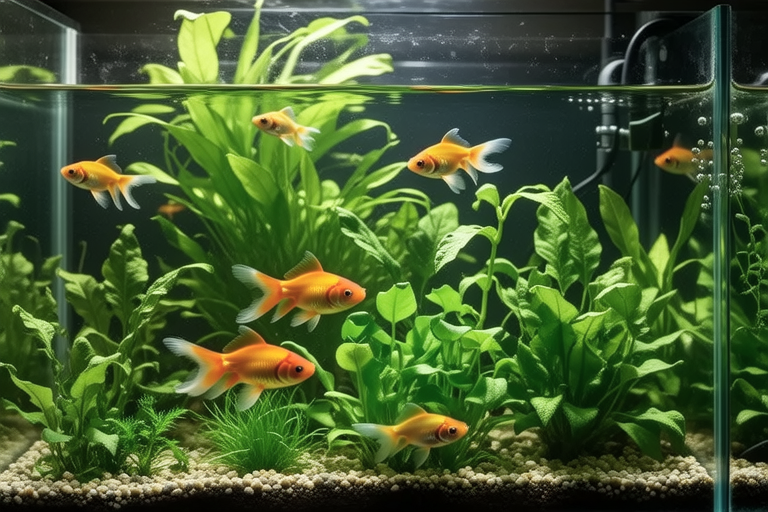
Top 10 Plants That Will Thrive With Your Goldfish in the Tank
Adding live plants to your goldfish tank can significantly enhance the aquatic environment, providing numerous benefits for both the fish and the overall health of the ecosystem. Not only do plants improve water quality by absorbing nitrates and other waste products, but they also offer hiding spots, breeding areas, and natural food sources for your goldfish. Additionally, live plants add a touch of beauty and naturalness to your aquarium setup. Below is a list of the top ten plants that will thrive alongside your goldfish, along with detailed care instructions.
1. Anubias Nana
Description: Anubias Nana is a slow-growing, compact plant that is ideal for smaller tanks or as a centerpiece in larger aquariums. It has broad, dark green leaves that grow in a rosette pattern, making it visually appealing and easy to maintain.
Benefits: This plant is highly beneficial for goldfish tanks because it provides excellent hiding spots and reduces stress for the fish. Anubias Nana also helps to oxygenate the water and absorb harmful substances like ammonia and nitrite.
Compatibility: Anubias Nana thrives in a wide range of water conditions, from slightly acidic to alkaline, and can tolerate low light levels. It is particularly well-suited for tanks with goldfish, which are known to be messy eaters and often uproot less robust plants.
Aesthetic Contribution: The dense, dark green foliage of Anubias Nana adds a lush, natural look to the aquarium, creating a serene and inviting environment for your goldfish.
Care Tips: To ensure optimal growth, tie the plant to driftwood or rocks using fishing line or plant clips. Keep the lighting moderate to avoid excessive algae growth, and trim any damaged or yellowing leaves regularly.
2. Java Fern
Description: Java Fern is another slow-growing plant that is perfect for goldfish tanks. It features leathery, dark green leaves that can reach lengths of up to 12 inches.
Benefits: Like Anubias Nana, Java Fern offers shelter for goldfish and contributes to the overall health of the tank by absorbing toxins. Its sturdy leaves make it resistant to being nibbled by goldfish, ensuring its longevity in the tank.
Compatibility: Java Fern prefers slightly acidic water and moderate lighting, but it can adapt to a broader range of conditions. It is highly tolerant of the high nutrient levels found in goldfish tanks.
Aesthetic Contribution: The unique leaf structure of Java Fern adds texture and visual interest to the tank, complementing the smooth lines of the goldfish.
Care Tips: Attach Java Fern to driftwood or rocks using fishing line or plant clips. Ensure that the rhizome (the thick, central part of the plant) is not buried, as this can lead to rot. Trim any dead or discolored leaves to keep the plant healthy.
3. Amazon Sword Plant
Description: The Amazon Sword Plant is a popular choice for larger goldfish tanks due to its impressive size and striking appearance. It features long, sword-like leaves that can grow up to 18 inches in length.
Benefits: This plant provides ample swimming space for goldfish while also offering shelter and spawning sites. It is effective at reducing algae growth and improving water quality.
Compatibility: Amazon Sword Plant thrives in soft, slightly acidic water with moderate to high lighting. It can handle the higher nutrient levels produced by goldfish, making it a good fit for these tanks.
Aesthetic Contribution: The Amazon Sword Plant’s tall, elegant leaves create a dramatic focal point in the tank, adding depth and dimension to the underwater landscape.
Care Tips: Plant the Amazon Sword in a nutrient-rich substrate and provide moderate to high lighting. Ensure the tank is large enough to accommodate the plant’s mature size. Regularly remove any dead or dying leaves to maintain the plant’s health.
4. Dwarf Sagittaria
Description: Dwarf Sagittaria is a fast-growing, compact plant that forms dense carpets in the substrate. It features small, arrow-shaped leaves that give the plant its name.
Benefits: This plant is an excellent choice for goldfish tanks as it helps to control algae growth and provides a natural feeding ground for the fish. Its fast growth rate means it can quickly cover bare patches in the tank.
Compatibility: Dwarf Sagittaria prefers soft, slightly acidic water and moderate to high lighting. It can tolerate the nutrient-rich conditions typical of goldfish tanks.
Aesthetic Contribution: The carpet-like growth of Dwarf Sagittaria creates a lush, green foreground in the tank, enhancing the visual appeal of the aquarium.
Care Tips: Plant Dwarf Sagittaria in nutrient-rich substrate and provide moderate to high lighting. Trim the plant regularly to prevent it from overgrowing and choking out other plants. Ensure adequate circulation to prevent stagnation.
5. Cryptocoryne Beckettii
Description: Cryptocoryne Beckettii is a hardy, undemanding plant that is well-suited for beginners. It features long, slender leaves that can grow up to 6 inches in length.
Benefits: This plant is beneficial for goldfish tanks as it absorbs excess nutrients and helps to stabilize water chemistry. It also provides hiding places for the fish.
Compatibility: Cryptocoryne Beckettii thrives in soft, slightly acidic water with moderate lighting. It can adapt to the nutrient-rich conditions of goldfish tanks but may experience “meltdown” if there are sudden changes in water parameters.
Aesthetic Contribution: The delicate, arching leaves of Cryptocoryne Beckettii add a graceful, flowing element to the tank, creating a tranquil and soothing atmosphere.
Care Tips: Plant Cryptocoryne Beckettii in nutrient-rich substrate and provide moderate lighting. Avoid sudden changes in water parameters, such as temperature or pH, which can cause the plant to melt back. Once established, it will recover and grow vigorously.
6. Hornwort (Ceratophyllum Demersum)
Description: Hornwort is a free-floating plant that does not require soil. It has fine, thread-like branches that can grow up to several feet in length.
Benefits: Hornwort is highly beneficial for goldfish tanks as it provides shade, oxygenates the water, and absorbs excess nutrients. It also serves as a spawning site for goldfish and other fish species.
Compatibility: Hornwort can thrive in a wide range of water conditions, from soft and acidic to hard and alkaline. It can tolerate the high nutrient levels found in goldfish tanks.
Aesthetic Contribution: The floating nature of Hornwort adds movement and a sense of life to the tank, creating a dynamic and visually interesting environment.
Care Tips: Do not plant Hornwort in substrate; instead, allow it to float freely in the tank. Trim excess growth to prevent overcrowding and ensure adequate circulation. Regularly remove any decaying leaves to maintain water quality.
7. Water Wisteria
Description: Water Wisteria is a fast-growing, bushy plant that produces small, delicate leaves. It can grow up to 24 inches in height.
Benefits: This plant is beneficial for goldfish tanks as it helps to control algae growth and provides shelter for the fish. Its rapid growth rate means it can quickly fill in gaps in the tank.
Compatibility: Water Wisteria prefers soft, slightly acidic water with moderate to high lighting. It can tolerate the nutrient-rich conditions of goldfish tanks but may require regular trimming to prevent overgrowth.
Aesthetic Contribution: The fine, feathery leaves of Water Wisteria add a delicate, airy feel to the tank, creating a light and ethereal atmosphere.
Care Tips: Plant Water Wisteria in nutrient-rich substrate and provide moderate to high lighting. Trim the plant regularly to prevent it from becoming too dense and blocking light to other plants. Ensure adequate circulation to prevent stagnation.
8. Java Moss
Description: Java Moss is a versatile, low-maintenance plant that can be grown attached to driftwood, rocks, or left to float freely in the tank. It forms dense, fluffy mats that resemble moss.
Benefits: This plant is highly beneficial for goldfish tanks as it provides shelter, breeding sites, and a natural feeding ground for the fish. It also helps to reduce algae growth and improve water quality.
Compatibility: Java Moss thrives in soft, slightly acidic water with moderate lighting. It can tolerate the nutrient-rich conditions of goldfish tanks and is resistant to being nibbled by the fish.
Aesthetic Contribution: The soft, velvety texture of Java Moss adds a natural, forest-like feel to the tank, creating a serene and inviting environment for your goldfish.
Care Tips: Attach Java Moss to driftwood or rocks using fishing line or plant clips, or allow it to float freely in the tank. Ensure that the plant is not overcrowded, as this can lead to decay. Regularly trim any dead or discolored parts of the plant.
9. Dwarf Hairgrass
Description: Dwarf Hairgrass is a fast-growing, fine-leaved plant that forms dense, lush carpets in the substrate. It features very thin, hair-like leaves that can grow up to 4 inches in length.
Benefits: This plant is beneficial for goldfish tanks as it helps to control algae growth and provides a natural feeding ground for the fish. Its fast growth rate means it can quickly cover bare patches in the tank.
Compatibility: Dwarf Hairgrass prefers soft, slightly acidic water with moderate to high lighting. It can tolerate the nutrient-rich conditions of goldfish tanks but may require regular trimming to prevent overgrowth.
Aesthetic Contribution: The fine, delicate appearance of Dwarf Hairgrass adds a soft, flowing element to the tank, creating a peaceful and soothing atmosphere.
Care Tips: Plant Dwarf Hairgrass in nutrient-rich substrate and provide moderate to high lighting. Trim the plant regularly to prevent it from becoming too dense and blocking light to other plants. Ensure adequate circulation to prevent stagnation.
10. Rotala Rotundifolia
Description: Rotala Rotundifolia is a medium-sized plant that features oval-shaped leaves that can grow up to 2 inches in length. It can grow up to 12 inches in height.
Benefits: This plant is beneficial for goldfish tanks as it helps to control algae growth and provides shelter for the fish. Its moderate growth rate makes it a good choice for maintaining balance in the tank.
Compatibility: Rotala Rotundifolia prefers soft, slightly acidic water with moderate to high lighting. It can tolerate the nutrient-rich conditions of goldfish tanks but may require regular trimming to prevent overgrowth.
Aesthetic Contribution: The round, glossy leaves of Rotala Rotundifolia add a polished, elegant look to the tank, creating a sophisticated and refined atmosphere.
Care Tips: Plant Rotala Rotundifolia in nutrient-rich substrate and provide moderate to high lighting. Trim the plant regularly to prevent it from becoming too dense and blocking light to other plants. Ensure adequate circulation to prevent stagnation.
Conclusion
Incorporating live plants into your goldfish tank not only enhances the aesthetic appeal of the aquarium but also provides significant benefits for the health and well-being of your fish. By choosing the right plants and following proper care instructions, you can create a thriving aquatic environment that will bring joy and relaxation to both you and your goldfish.
