Adopting a British Shorthair Silver: What You Need to Know
The British Shorthair Silver is a charming and elegant feline with a rich history and distinctive appearance. Known for their round faces, plush coats, and calm demeanor, these cats have captured the hearts of many pet lovers. If you’re considering adopting a British Shorthair Silver, there are several key aspects you need to know about this breed to ensure a happy and healthy relationship. This guide will provide an overview of the breed’s unique characteristics, temperament, grooming needs, health considerations, dietary requirements, and suitable living environments. Additionally, we’ll offer advice on the adoption process, tips for integrating the cat into a new home, and common behaviors specific to this breed.
Unique Characteristics of British Shorthair Silvers
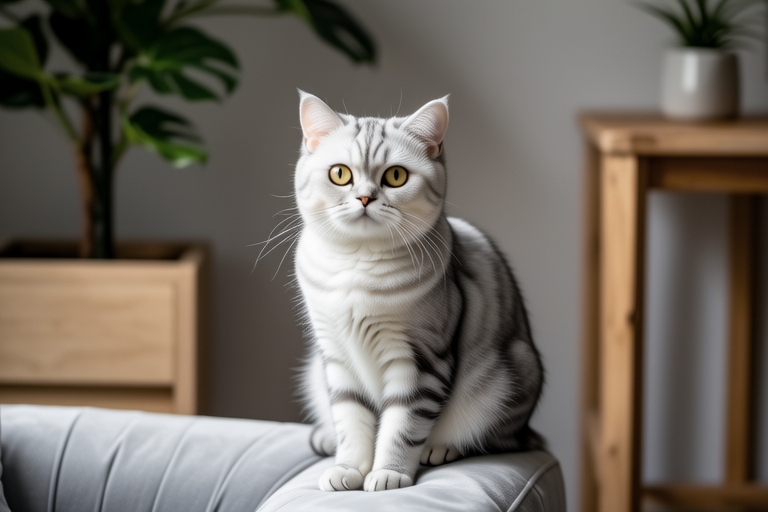
British Shorthair Silvers are easily recognizable by their dense, short coat that ranges from light silver to a deep, smoky gray. Their eyes are typically a striking green or copper, which adds to their allure. The breed is known for its robust build and well-proportioned body, making them appear both strong and graceful. These cats have a broad chest, muscular legs, and a thick tail that tapers slightly at the end. Their heads are rounded, with wide-set ears and expressive faces that often give them a sweet, friendly appearance.
Temperament
One of the most appealing traits of the British Shorthair Silver is its calm and gentle nature. They are known for being patient and easygoing, making them excellent companions for families with children and other pets. These cats are generally not very vocal and prefer to communicate through body language rather than constant meowing. They enjoy being around people but are not overly demanding of attention. British Shorthair Silvers are independent yet affectionate, and they tend to form strong bonds with their human families over time.
Grooming Needs
Despite their short fur, British Shorthair Silvers require regular grooming to maintain their coat’s luster and prevent matting. Brushing them once or twice a week helps remove loose hair and distribute natural oils throughout the coat. During shedding seasons, especially in spring and fall, more frequent brushing may be necessary. Bathing should only be done when absolutely necessary, as it can strip the coat of its natural oils. Regular nail trimming and dental care are also important to keep your cat healthy and comfortable.
Health Considerations
While generally healthy, British Shorthair Silvers can be prone to certain genetic conditions, including hip dysplasia, hypertrophic cardiomyopathy (HCM), and polycystic kidney disease (PKD). It’s essential to adopt from reputable breeders who conduct genetic testing to minimize the risk of these issues. Regular veterinary check-ups are crucial for early detection and management of any potential health problems. Vaccinations, flea and worm treatments, and routine dental care should all be part of your cat’s healthcare regimen.
Dietary Requirements
A balanced diet is vital for maintaining the health and vitality of your British Shorthair Silver. High-quality commercial cat food that meets AAFCO standards is usually sufficient, but it’s always a good idea to consult with your veterinarian for personalized recommendations based on your cat’s age, weight, and activity level. Avoid feeding your cat excessive amounts of treats or human food, as this can lead to obesity and other health issues. Fresh water should always be available, and it’s important to monitor your cat’s eating habits to ensure they are getting the nutrients they need.
Suitable Living Environments
British Shorthair Silvers are adaptable to various living environments, whether you live in an apartment or a house. However, they do best in homes where they can have access to comfortable resting spots, scratching posts, and plenty of toys to stimulate their minds and bodies. While they are generally content with indoor living, providing access to a safe outdoor area under supervision can enrich their lives. If you choose to keep your cat indoors, make sure to create an enriched environment with climbing structures, tunnels, and interactive toys to keep them entertained.
The Adoption Process
Adopting a British Shorthair Silver involves careful consideration and preparation. Start by researching reputable breeders and shelters that specialize in this breed. When visiting potential homes, look for a clean, well-maintained environment where the cats seem happy and healthy. Ask questions about the breeder’s practices, health guarantees, and any available medical records. If adopting from a shelter, inquire about the cat’s background, behavior, and any special needs. Once you’ve made your decision, be prepared for the initial adjustment period as your new companion gets used to their new surroundings.
Tips for Integrating Your New Cat into Your Home
Integrating a new cat into your household requires patience and understanding. Provide a quiet, secure space for your cat to retreat to initially, such as a small room with a litter box, food, water, and some familiar items from their previous home. Gradually introduce your cat to other family members and pets, allowing them to set the pace. Positive reinforcement through treats, praise, and gentle handling can help build trust and confidence. Be patient and consistent in establishing routines, and remember that each cat has its own personality and comfort levels.
Common Behaviors Specific to the Breed
British Shorthair Silvers have several behaviors that are characteristic of the breed. They are known for their love of napping, often curling up in cozy spots around the house. These cats are also quite playful, especially during kittenhood, and enjoy interactive toys like feather wands and laser pointers. Some British Shorthairs develop a fondness for water, occasionally dipping their paws or even swimming. Understanding and respecting these behaviors can help you provide a stimulating and enjoyable environment for your cat.
Conclusion
Adopting a British Shorthair Silver is a rewarding experience that comes with the responsibility of ensuring your new feline friend’s happiness and well-being. By understanding their unique characteristics, temperament, grooming needs, health considerations, dietary requirements, and suitable living environments, you can provide a loving home for your British Shorthair Silver. With proper care and attention, these delightful cats will bring years of companionship and joy to your life.
