Red-eared Sliders: Myth-Busting Common Care Misconceptions
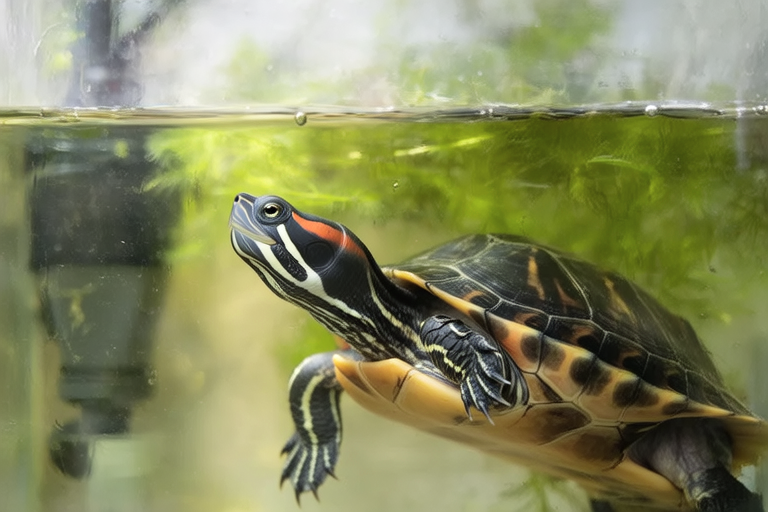
Red-eared sliders (Trachemys scripta elegans) are among the most popular pet turtles worldwide. These semi-aquatic turtles are easily recognizable by the distinctive red stripe behind their eyes, giving them their name. They are known for their hardy nature and adaptability, which makes them appealing to many first-time reptile owners. However, their popularity has also led to numerous misconceptions about their care requirements. In this article, we will debunk some of these myths and provide accurate, scientifically-backed information to help you provide the best possible care for your red-eared slider.
The Appeal of Red-Eared Sliders
Red-eared sliders are captivating creatures that can live up to 40 years if properly cared for. Their vibrant green shells and active nature make them a joy to watch. They are generally low-maintenance pets, but they do require specific conditions to thrive. Understanding their natural habitat and behavior is crucial for providing them with a healthy environment.
Habitat Size: Bigger is Better
One of the most common misconceptions about red-eared sliders is that a small tank is sufficient for their needs. Many owners believe that because these turtles are relatively small, they do not need much space. This could not be further from the truth. Red-eared sliders are highly active and need ample room to swim and bask. According to the American Veterinary Medical Association (AVMA), adult red-eared sliders should have at least 10 gallons of water per inch of shell length. A typical adult turtle might need a tank of around 100 gallons or more. The enclosure should also include a dry basking area where the turtle can completely emerge from the water to dry off and warm up under a UVB light.
Dietary Needs: Not Just Any Food Will Do
Another frequent mistake is assuming that red-eared sliders can eat anything that floats. Their diet should be varied and balanced, consisting primarily of commercial turtle pellets, supplemented with fresh vegetables and occasional protein sources like insects or fish. It’s essential to avoid feeding them iceberg lettuce, which lacks nutritional value, and bread, which can cause digestive issues. Feeding them a balanced diet ensures they get the necessary vitamins and minerals, including calcium and vitamin D3, which are vital for maintaining strong shells and bones. Overfeeding, especially with high-protein foods, can lead to obesity and other health problems.
Handling Frequency: Less is More
Many owners mistakenly believe that their turtles enjoy frequent handling. While red-eared sliders are generally docile, they are not social animals and do not seek interaction with humans. Handling them too often can stress them out, leading to health issues. Experts recommend limiting handling sessions to once a week, and always supporting their shell when lifting them out of the water. Additionally, it’s important to wash your hands before and after handling to prevent the spread of bacteria.
Maintaining Health and Environmental Enrichment
To ensure your red-eared slider remains healthy, regular veterinary check-ups are essential. Look for a veterinarian who specializes in exotic pets. Maintaining clean water and a hygienic environment is also critical. Regularly cleaning the tank and filtering the water helps prevent bacterial growth and keeps the turtle’s respiratory system healthy. Providing environmental enrichment, such as floating logs or rocks, encourages natural behaviors and mental stimulation.
Responsible Pet Ownership
Owning a red-eared slider comes with significant responsibilities. Before bringing one home, consider the long-term commitment. Ensure you have the knowledge and resources to provide a suitable habitat and care. Releasing a pet turtle into the wild is harmful and illegal. Released turtles can become invasive species, disrupting local ecosystems. Instead, if you find yourself unable to care for your turtle, reach out to local rescue organizations or shelters that can take them in.
Further Learning Resources
For those looking to deepen their understanding of red-eared slider care, there are numerous reputable books and guides available. The Association of Reptilian and Amphibian Veterinarians (ARAV) offers valuable insights and guidelines for turtle owners. Online forums and community groups can also provide support and advice from experienced owners. Always seek information from reliable sources to ensure you’re following best practices.
In conclusion, red-eared sliders are fascinating pets that can bring joy and companionship for decades. By dispelling common misconceptions and providing accurate care information, we can ensure these turtles live long, healthy lives. Remember, proper care is not just about meeting basic needs but also enriching their environment and respecting their natural behaviors. With the right knowledge and dedication, you can be an excellent steward for your pet turtle.
