Unleashing the Charm: Why Leopard Geckos Make Great Pets
Welcome to the world of charming and captivating creatures, the leopard geckos! These delightful lizards have become increasingly popular among pet enthusiasts for their unique appearance, docile temperament, and relatively low maintenance. In this article, we will explore why leopard geckos make such great pets, delve into their care requirements, and provide valuable insights for both novice and seasoned pet owners.
Introducing the Leopard Gecko
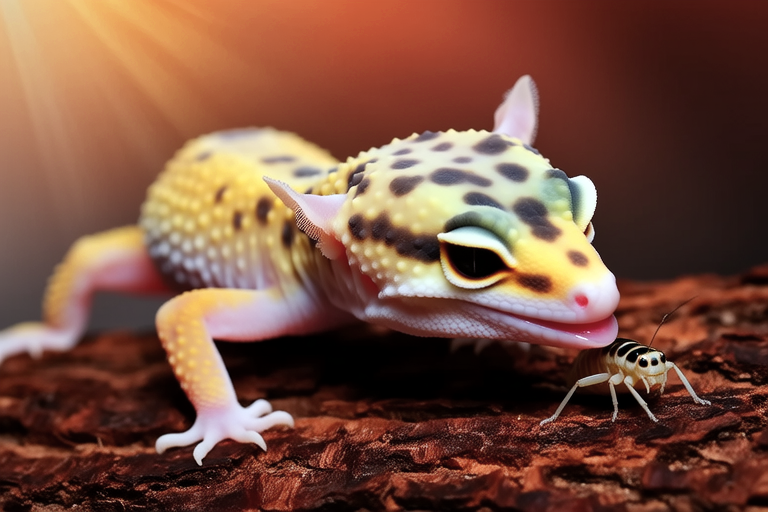
The leopard gecko (Eublepharis macularius) is a small, ground-dwelling lizard native to the arid regions of Asia, particularly Afghanistan, Pakistan, and parts of India. They are known for their distinctive spots that resemble those of a leopard, hence the name. With their short, sturdy limbs and long, slender tails, these geckos possess a unique charm that captivates many. Their docile nature makes them perfect for handling, making them a favorite among reptile enthusiasts.
Leopard geckos come in various colors and patterns, ranging from the traditional yellow and black to more exotic hues like albino, patternless, and high contrast. This diversity allows pet owners to choose a gecko that suits their personal preferences.
Care Requirements
Habitat Setup
Creating an appropriate habitat is crucial for the health and happiness of your leopard gecko. A well-maintained enclosure ensures your pet thrives. For a single adult gecko, a 20-gallon tank is sufficient; however, larger tanks are recommended for multiple geckos or if you plan to breed them.
The substrate you choose is vital for maintaining hygiene and preventing impaction. Many owners opt for paper towels or reptile-safe carpeting for juveniles and adults. Avoid loose substrates like sand or gravel, which can lead to digestive issues if ingested.
Temperature regulation is another key aspect of caring for leopard geckos. Maintain a temperature gradient within the tank, with one end being warmer than the other. The warm side should be around 90°F (32°C), while the cooler side can range between 75°F to 80°F (24°C – 27°C). Use heat mats or under-tank heaters to achieve this, ensuring there are no hotspots.
In addition to temperature, humidity levels must be kept at approximately 30% to 40%. Leopard geckos naturally live in dry environments, so excessive moisture can lead to health problems. Proper ventilation is essential to prevent condensation buildup.
Diet
Leopard geckos are insectivores, meaning their diet primarily consists of insects. Crickets, dubia roaches, and waxworms are popular choices. It’s important to feed your gecko appropriately sized prey items; typically, the prey should be no larger than the space between the gecko’s eyes.
Calcium and vitamin supplementation are necessary to prevent metabolic bone disease, a condition caused by calcium deficiency. Dust prey items with calcium powder once or twice a week and multivitamin supplements every two weeks.
Handling Tips
Leopard geckos are generally calm and docile, making them excellent candidates for gentle handling. However, it’s crucial to handle them correctly to avoid stress or injury.
Always wash your hands before and after handling your gecko. Gently pick up your gecko by supporting its body with both hands, avoiding lifting it solely by the tail. Allow your gecko time to adjust to handling gradually, as sudden movements may startle them.
Why Leopard Geckos Are Ideal Pets
Great for Beginners
Leopard geckos are an excellent choice for first-time reptile owners due to their ease of care. Their straightforward dietary needs, simple habitat setup, and minimal space requirements make them accessible to anyone interested in keeping a reptile as a pet.
Perfect for Families
Leopard geckos are safe around children when handled properly. They are non-aggressive and do not require daily interaction, allowing family members to enjoy their company without constant attention. Additionally, their nocturnal nature means they are most active during the evening, making them less disruptive during the day.
Debunking Common Myths About Reptiles
There are several misconceptions about reptiles that can deter potential owners. Let’s address some of these myths:
Myth 1: Reptiles Are Dirty and Carry Diseases
While reptiles can carry Salmonella, proper hygiene practices significantly reduce the risk of infection. Regular cleaning of the enclosure, washing hands after handling, and keeping reptiles away from food preparation areas are effective preventive measures.
Myth 2: Reptiles Require Extensive Space
Contrary to popular belief, many reptiles, including leopard geckos, can thrive in relatively small enclosures. As long as the enclosure meets their specific needs for temperature, humidity, and space, they can live comfortably without requiring vast amounts of room.
Myth 3: Reptiles Are Cold and Unfeeling
Reptiles, like all animals, experience a range of emotions and respond to stimuli. Leopard geckos exhibit behaviors indicating comfort, stress, and even playfulness. Providing enrichment activities and a stimulating environment can enhance their quality of life.
Responsible Adoption or Purchase
When considering adopting or purchasing a leopard gecko, it’s essential to do so responsibly. Adopting from shelters or rescue organizations helps provide homes for animals in need. If purchasing from a breeder, ensure they follow ethical breeding practices and prioritize the welfare of their animals.
Research reputable sources and ask questions about the gecko’s origin, health, and care history. A responsible seller will be transparent about these aspects and offer guidance on ongoing care. Avoid impulse buys or sourcing from unverified sellers to protect both yourself and the animal.
Conclusion
Leopard geckos are enchanting creatures that bring joy and fascination to many households. Their unique appearance, docile nature, and manageable care requirements make them an excellent choice for pet owners of all levels. By understanding their needs and providing a loving environment, you can ensure a rewarding relationship with your new scaly friend. Remember to approach pet ownership responsibly and prioritize the well-being of your gecko throughout its life.
