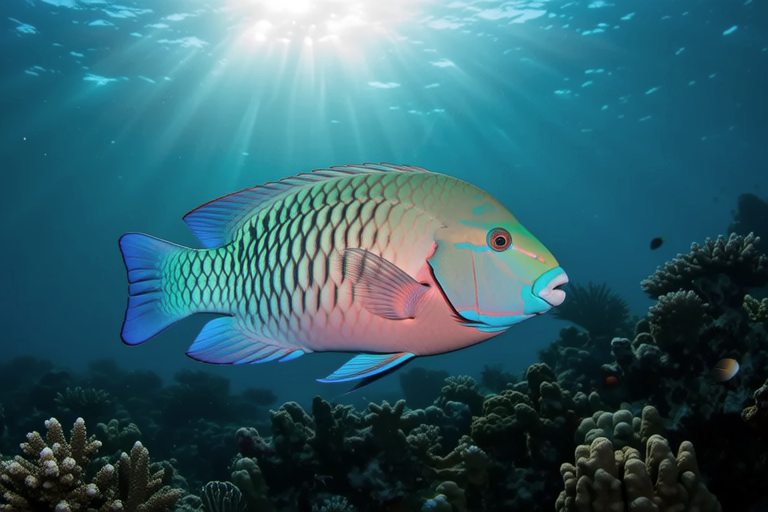
The Vibrant World of Parrot Fish: Colors That Will Amaze You
Parrotfish, members of the family Scaridae, are a group of marine fish known for their striking beauty and significant ecological roles within coral reef ecosystems. These fish are named for their beak-like jaws, which resemble that of a parrot. With over 90 species spread across tropical and subtropical waters worldwide, parrotfish play a crucial part in maintaining the health and biodiversity of coral reefs. Their vibrant hues and fascinating behaviors make them one of the most captivating groups of fish for both marine enthusiasts and casual observers alike.
A Kaleidoscope of Colors
One of the most striking features of parrotfish is their extraordinary array of colors and patterns. Ranging from electric blues and vibrant pinks to deep purples and fiery oranges, these fish can look like living jewels swimming through the ocean. The coloration serves multiple purposes, from camouflage to attracting mates and intimidating predators.
Many species undergo dramatic changes in color and pattern as they mature. Juvenile parrotfish often start out with muted, earthy tones designed to blend into the reef, providing protection from larger fish. As they grow, however, they develop more vivid colors and patterns. For example, the queen parrotfish begins its life as a drab brown, but as it matures, it transforms into a dazzling display of blues, greens, and purples.
The mechanisms behind these color changes are complex and involve various pigments and structural colors. Pigment cells called chromatophores, which contain different types of pigments, allow for rapid color changes. Structural colors, produced by microscopic structures that reflect light in specific ways, contribute to the iridescent sheen seen in many species. These adaptations enable parrotfish to adjust their appearance according to environmental conditions and social interactions.
Behavior and Habitat
Parrotfish are highly social creatures, often found in large schools. They are diurnal, meaning they are most active during the day, and spend much of their time grazing on algae and coral polyps. This feeding behavior is critical to the health of coral reefs, as it prevents algae from overgrowing and smothering corals. Parrotfish have specialized teeth arranged in rows that form a powerful beak, allowing them to scrape algae off rocks and coral surfaces.
These fish inhabit a variety of environments, including lagoons, seaward reefs, and areas of high wave action. They prefer clear, warm waters with abundant coral growth, which provides both food sources and shelter. Parrotfish are territorial, with some species defending specific areas of reef against intruders. Their territories can range from small crevices to expansive sections of reef, depending on the species and individual.
Parrotfish also engage in a unique behavior known as “sleeping in a mucus cocoon.” Each night, many species secrete a protective layer of mucus around themselves, believed to mask their scent from nocturnal predators and possibly reduce the risk of infection or parasites. This behavior highlights the ingenuity of these fish in adapting to their environment.
The Role of Parrotfish in Coral Reefs
Coral reefs are among the most diverse and productive ecosystems on Earth, supporting thousands of species of fish, invertebrates, and plants. Parrotfish play a vital role in maintaining the balance of these delicate ecosystems. By consuming algae, they prevent it from overwhelming the reef structure and competing with coral for space and nutrients.
Through their feeding activities, parrotfish also help recycle nutrients and contribute to the formation of sand. After digesting the calcium carbonate skeletons of coral and algae, their feces become an important component of beach and reef sands. This process, known as bioerosion, is essential for the long-term health and resilience of coral reefs.
However, the impact of human activities such as overfishing, pollution, and climate change poses significant threats to parrotfish populations and the reefs they inhabit. Many species are vulnerable to overfishing due to their economic value and the ease with which they can be caught. Additionally, rising sea temperatures and ocean acidification caused by climate change can disrupt the delicate balance of coral reefs, affecting parrotfish populations and their ability to perform their ecological functions.
Conservation Efforts
Recognizing the importance of parrotfish in marine ecosystems, conservation efforts are underway to protect these vibrant creatures and the reefs they maintain. Marine protected areas (MPAs) have been established in many regions to safeguard parrotfish populations and their habitats. These areas limit fishing activities, reducing pressure on fish populations and allowing them to recover and thrive.
Educational initiatives aimed at raising awareness about the significance of parrotfish and coral reefs are also crucial. By informing communities and policymakers about the ecological and economic benefits of healthy reefs, these programs can foster support for conservation measures and sustainable practices.
Additionally, reducing carbon emissions and promoting sustainable fishing practices can help mitigate the effects of climate change and overfishing on parrotfish populations. Encouraging the use of selective fishing gear and establishing quotas for parrotfish catches can help ensure that populations remain healthy and viable.
The Future of Parrotfish
The vibrant world of parrotfish is not only a source of wonder and beauty but also a testament to the complexity and interconnectedness of marine ecosystems. As we continue to explore and understand these fascinating creatures, it becomes increasingly clear that their survival is intertwined with the health of our oceans.
By taking steps to conserve parrotfish and their habitats, we can help ensure that future generations will have the opportunity to marvel at the stunning colors and behaviors of these remarkable fish. Through collaborative efforts and a commitment to sustainability, we can preserve the vibrant world of parrotfish and the invaluable role they play in our oceans.
