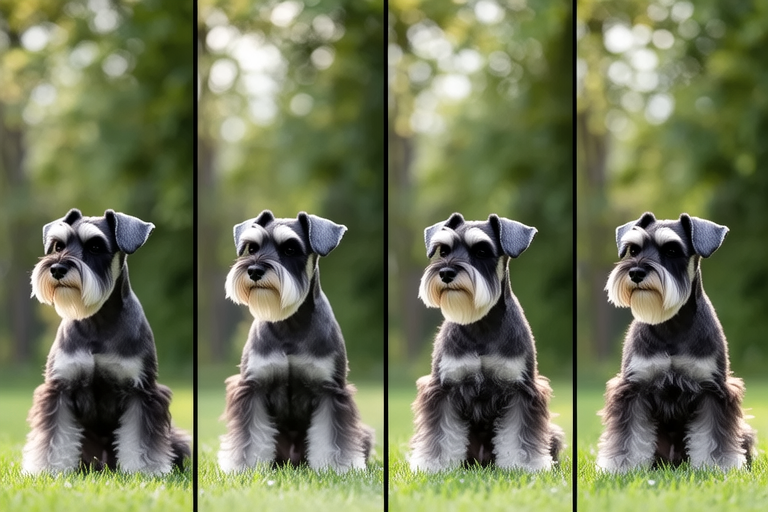
From Puppies to Adults: A Year-By-Year Look at Your Schnauzer’s Growth Journey
Welcome to the world of Schnauzers! These charming, intelligent dogs have captured the hearts of many pet lovers with their unique beards and lively personalities. Their journey from tiny puppies to full-grown adults is a fascinating one, marked by significant changes in physical appearance, behavior, and dietary needs. In this article, we will explore the developmental stages of a Schnauzer from puppyhood through adulthood, providing you with valuable insights into their growth and care.
Year 1: The First Steps
The first year of a Schnauzer’s life is a whirlwind of growth and development. By the time they reach four months, most Schnauzers have already tripled their birth weight. During this period, they experience rapid physical changes, including the growth of their iconic beard and eyebrows. They also develop their distinct coat texture, which can vary from wiry to soft depending on genetics.
Behaviorally, Schnauzer puppies are curious, playful, and eager to learn. They require consistent training and socialization to ensure they grow into well-behaved adults. Early training sessions should focus on basic commands such as sit, stay, come, and down. Positive reinforcement techniques, like treats and praise, are highly effective with Schnauzer puppies.
Dietary needs during the first year are crucial for proper growth. Puppies need a balanced diet rich in proteins, fats, and vitamins. Consult your veterinarian for guidance on choosing the right food and portion sizes. Schnauzer puppies should be fed three to four times daily until they reach six months, after which two meals a day are sufficient.
Exercise is vital for Schnauzer puppies, but it should be moderate and age-appropriate. Frequent playtimes and short walks help them expend energy and build muscle strength. Avoid overexertion, especially in hot weather, as it can lead to heatstroke.
Year 2: Becoming an Adolescent
The second year marks the transition from puppyhood to adolescence. Physically, Schnauzers are now more settled, though they may still have some growing left to do. Their coats should be fully developed by this stage, and regular grooming becomes essential to maintain their appearance. Schnauzers require professional grooming every six to eight weeks to keep their coats healthy and prevent matting.
Behaviorally, adolescent Schnauzers can be challenging. They may become more independent and test boundaries. This is the time to reinforce training and introduce more complex commands. Consistency is key in managing their behavior. Adolescence is also the ideal time for obedience classes, where they can learn advanced skills and socialize with other dogs.
Healthcare needs during this period include routine vaccinations and parasite control. Regular check-ups with your veterinarian are important to monitor growth and address any emerging health issues. Dental hygiene is another critical aspect; start brushing your Schnauzer’s teeth regularly to prevent gum disease and tooth decay.
Exercise remains a priority for adolescent Schnauzers. They enjoy outdoor activities such as playing fetch or going for longer walks. Mental stimulation is equally important; provide them with puzzle toys and interactive games to keep their minds sharp.
Year 3: Maturity and Stability
By the third year, Schnauzers have reached maturity. Their physical growth has stabilized, and they have developed their adult characteristics. Their energy levels are generally lower than in previous years, making them more suitable for families looking for a calmer companion.
Behaviorally, mature Schnauzers are typically well-adjusted and confident. They have learned the rules and boundaries established during their training. However, they may still benefit from occasional refresher training sessions to reinforce good behavior. Socialization remains important, especially if they spend a lot of time at home. Arrange playdates with other dogs to keep them sociable and prevent isolation.
Dietary needs for adult Schnauzers should be tailored to their activity level and health status. Generally, they require less protein and fewer calories than puppies. High-quality dog food that meets their nutritional requirements is essential. Obesity is a common issue among older dogs, so monitor their weight and adjust portions accordingly.
Healthcare in the third year includes annual check-ups, dental cleanings, and routine vaccinations. Keep an eye out for signs of joint problems, such as arthritis, which can affect older dogs. Regular exercise helps maintain mobility and joint health. Swimming is an excellent low-impact activity for Schnauzers suffering from joint pain.
Year 4 and Beyond: Senior Schnauzers
As Schnauzers enter their senior years (around seven years old), their physical and behavioral changes become more pronounced. They may slow down, sleep more, and show signs of aging, such as gray hair around the muzzle. Their metabolism slows, and they may become more sensitive to temperature changes.
Behaviorally, senior Schnauzers tend to be quieter and more laid-back. They appreciate routine and consistency. Training should continue, focusing on positive reinforcement to maintain good behavior. Mental stimulation is still important; try new activities to engage their minds.
Dietary adjustments are necessary for senior Schnauzers. Choose a food specifically formulated for older dogs, which typically contains fewer calories and higher fiber content. Supplements like glucosamine can support joint health. Always consult your veterinarian before introducing new foods or supplements.
Healthcare for senior Schnauzers involves more frequent visits to the vet. Annual check-ups may not be enough; twice-yearly exams are recommended to catch potential health issues early. Common senior health concerns include kidney disease, heart conditions, and cognitive dysfunction. Regular exercise and mental stimulation remain beneficial, but adapt activities to suit their reduced stamina.
Training Tips for Schnauzers Throughout Their Life
Training Schnauzers requires patience and consistency. They are intelligent dogs that thrive on mental challenges, so incorporate problem-solving exercises into training sessions. Use positive reinforcement to encourage desired behaviors and discourage unwanted ones. Be patient with adolescent Schnauzers, who may test boundaries. For senior Schnauzers, focus on maintaining good habits and adapting training methods to accommodate age-related limitations.
Socialization Strategies for Schnauzers
Socialization is crucial for all dogs, especially Schnauzers, to ensure they grow up to be well-adjusted adults. Expose them to various environments, people, and animals from an early age. Puppy classes are an excellent way to socialize Schnauzer puppies. Continue socializing throughout their lives to prevent isolation and fear-based aggression.
Health Care and Exercise Needs
Regular veterinary care is essential for Schnauzers at all stages of life. Follow your veterinarian’s recommendations regarding vaccinations, parasite control, and routine check-ups. Exercise is vital for maintaining Schnauzers’ physical and mental health. Tailor exercise routines to their age and activity level, ensuring they receive adequate stimulation without overexertion.
In conclusion, raising a Schnauzer is a rewarding experience filled with love, laughter, and learning. Understanding their growth journey allows you to provide the best care possible, helping them live happy, healthy lives. From the playful puppy to the calm adult and beyond, each stage brings its own joys and challenges. Embrace these moments and enjoy the unique bond you share with your Schnauzer.
