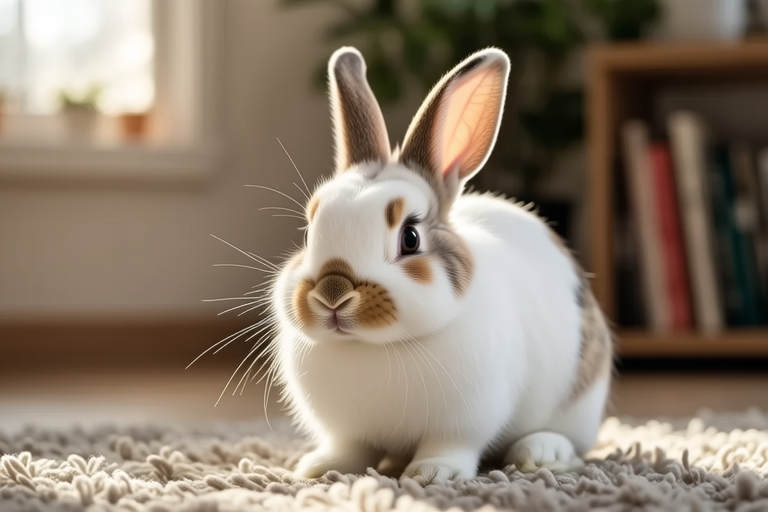
Transform Your Home with the Quirky Charm of Dutch Dwarf Rabbits
Dutch Dwarf rabbits have a unique appeal that sets them apart from other pet rabbit breeds. Known for their compact size, these rabbits are perfect for homes of all sizes, making them ideal companions for city dwellers, apartment residents, and those with limited space. Their playful nature and distinctive markings add a touch of whimsy to any household.
The Unique Appeal and Compact Size
At first glance, Dutch Dwarfs may seem like miniature versions of their larger counterparts, but they pack a lot of personality into their petite frames. Weighing in at around two pounds, these rabbits are among the smallest domesticated breeds. Their compact size makes them easy to handle and care for, even in smaller living spaces.
One of the most striking features of Dutch Dwarfs is their dual-colored coats. Typically, they have a white base with contrasting colored patches on their faces, ears, and feet. These contrasting colors create a charming, almost cartoonish appearance that never fails to draw attention.
Temperament and Care Requirements
Dutch Dwarf rabbits are known for their friendly and docile temperament, which makes them excellent pets for families and individuals alike. They are generally gentle and patient, making them great companions for children. However, it’s important to note that rabbits are prey animals, so they can be easily startled by sudden movements or loud noises. Providing a calm and stable environment will help your Dutch Dwarf feel safe and secure.
Despite their small size, Dutch Dwarfs require regular exercise to maintain their health and happiness. A spacious cage or pen should be provided for daily activity, along with supervised playtime outside of their enclosure. This interaction allows them to explore their surroundings and engage in natural behaviors like digging and chewing.
Setting Up a Suitable Habitat
Creating a comfortable and stimulating environment is crucial for the well-being of your Dutch Dwarf. The cage or pen should be large enough to allow for movement and provide ample space for toys and accessories. A solid floor is recommended to prevent injury from wire flooring, and bedding made of hay or paper-based products will keep your rabbit cozy and clean.
In addition to the primary living area, Dutch Dwarfs benefit from having a separate playpen or exercise area where they can stretch their legs and burn off excess energy. Ensure this space is rabbit-proofed to prevent accidents or damage to furniture and electronics.
Dietary Needs and Grooming Practices
A healthy diet is essential for keeping your Dutch Dwarf happy and active. The mainstay of their diet should be high-quality hay, which provides necessary fiber for digestion and dental health. Fresh vegetables and fruits can be offered in moderation as treats, but avoid feeding too many starchy or sugary foods.
Grooming your Dutch Dwarf regularly is also important. Brushing their coat weekly helps remove loose fur and prevents matting. Bathing should only be done when absolutely necessary, as rabbits naturally groom themselves and excessive bathing can disrupt their skin’s natural oils.
History and Origins of the Breed
The Dutch Dwarf rabbit originated in the Netherlands during the early 20th century. Breeders sought to create a smaller version of the popular Dutch rabbit by crossing it with smaller breeds such as the Netherland Dwarf. Over time, through selective breeding, the Dutch Dwarf emerged as a distinct breed recognized for its charming appearance and friendly disposition.
One anecdote that illustrates the breed’s charm involves a family who adopted a Dutch Dwarf named Buttons. Buttons quickly became the star of the household, captivating everyone with her curious antics and affectionate nature. She would often follow her owner around the house, hopping alongside and occasionally nuzzling for attention.
Common Misconceptions About Small Rabbit Breeds
There are several misconceptions about small rabbit breeds like the Dutch Dwarf. One common myth is that they require less care than larger breeds. While it’s true that their smaller size means they don’t need as much space or food, they still require just as much attention and care to ensure their physical and emotional well-being.
Another misconception is that small rabbits are easier to handle. While they may be easier to pick up and hold, they are also more fragile and can be injured if handled improperly. It’s important to support their hindquarters and back when picking them up to prevent spinal injuries.
Encouraging Responsible Ownership
Before bringing a Dutch Dwarf rabbit into your home, it’s essential to consider the commitment involved in caring for them. Rabbits have a lifespan of approximately 8-12 years, and they require a significant investment of time and resources. Ensure you are prepared to provide a loving and nurturing environment for your new furry friend.
Adopting a Dutch Dwarf rabbit can transform your home with their quirky charm and delightful personalities. By understanding their needs and providing proper care, you can enjoy the companionship of these delightful creatures for many years to come.
