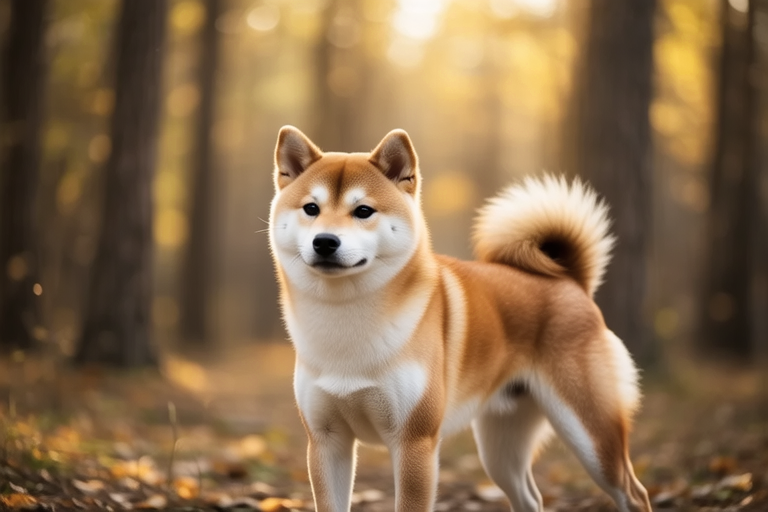
Unraveling the Mystery Behind the Shiba Inu’s Famous ‘Fox Look’
The Shiba Inu, a small yet sturdy dog breed native to Japan, has captured the hearts of dog lovers around the world with its unique charm and striking resemblance to a fox. Known for its independent spirit and spirited nature, this ancient breed has been cherished in its homeland for centuries and is now gaining global recognition. This article delves into the historical roots of the Shiba Inu, its distinctive physical characteristics, the genetic underpinnings of its fox-like appearance, expert insights, and the cultural significance of this captivating breed.
Historical Background: Origins in Japan
The Shiba Inu is one of the oldest and smallest spitz breeds, originating in Japan approximately 3,000 years ago. Historically, Shibas were used for hunting birds and other small game in the mountainous regions of Japan. Their name, “Shiba,” translates to “brushwood” in Japanese, referring to the thickets and bushes where they often hunted. The term “Inu” simply means “dog.” These dogs were bred to be agile and alert, capable of navigating through dense forests and rough terrains.
During World War II, the Shiba Inu population was nearly decimated due to bombing campaigns and canine distemper. However, concerted efforts by Japanese enthusiasts ensured the breed’s survival. Today, Shibas are recognized for their loyalty, intelligence, and adaptability, making them a beloved companion animal both domestically and internationally.
Physical Characteristics Contributing to the Fox-Like Appearance
Several physical attributes of the Shiba Inu contribute to its uncanny resemblance to a fox. The most notable characteristic is its triangular-shaped ears, which stand erect and point slightly forward, giving it a keen and alert expression. Their almond-shaped eyes, typically dark brown, are set at a slant, further enhancing their fox-like appearance. The Shiba Inu’s coat, which comes in three colors—red, black and tan, and sesame (a mix of red and black)—is short and thick, with a soft undercoat that provides insulation against cold weather. The fur is often tipped with white, creating a fox-like mask around the face.
Another unique feature is the Shiba Inu’s tail, which curls over the back when the dog is alert or excited. This tail position adds to the overall impression of a small, cunning fox. Additionally, Shibas have a distinctive double-layered coat that helps them blend into their surroundings, much like a wild fox.
Genetic Factors and Comparison with Foxes
The fox-like appearance of the Shiba Inu can be attributed to several genetic factors. One key factor is the breed’s spitz ancestry, which includes genes responsible for erect ears, sharp facial features, and a thick double coat. These traits are also common among foxes, which share the same family tree as dogs, specifically within the Canidae family.
Canine experts suggest that the Shiba Inu’s compact size and agility are further influenced by selective breeding aimed at producing a versatile hunting companion. This selective breeding process has preserved and enhanced certain physical traits that resemble those of foxes, such as their bushy tails and pointed ears. Genetic studies have revealed that some of the genes responsible for these traits are shared between dogs and foxes, contributing to the Shiba Inu’s striking resemblance.
Expert Insights: Unique Features of the Shiba Inu
Veterinarians and canine experts highlight several unique features of the Shiba Inu that set it apart from other dog breeds. Dr. Emily Carter, a veterinarian specializing in canine genetics, notes, “The Shiba Inu’s compact build and high energy levels make them an ideal choice for active families. Their strong prey drive and natural hunting instincts are still evident today, even in domesticated pets.”
According to Dr. Carter, the Shiba Inu’s independent nature is another hallmark of the breed. “They are known for being quite self-sufficient and can sometimes be aloof with strangers. However, they are fiercely loyal to their owners and form strong bonds with their human companions.”
Dr. Carter also emphasizes the importance of proper grooming for Shibas. “Their thick double coat requires regular brushing to prevent matting and skin irritations. Owners should pay special attention to the areas behind the ears and around the tail, where dirt and debris can accumulate.”
Cultural Significance and Growing Popularity
In Japan, the Shiba Inu holds significant cultural importance. It is considered a national treasure and is featured in various forms of art, literature, and media. The breed’s fox-like appearance has inspired numerous works of fiction, including manga and anime, where Shibas are often depicted as clever and resourceful characters.
Outside of Japan, the Shiba Inu’s popularity has grown exponentially in recent years. Social media platforms have played a pivotal role in spreading awareness about this unique breed. Videos and photos of Shibas showcasing their independence and mischievous antics have gone viral, endearing them to millions of people worldwide. Their fox-like appearance, combined with their charming personalities, makes Shibas a favorite subject for internet memes and viral challenges.
The Shiba Inu’s increasing popularity can also be attributed to its adaptability to modern living conditions. Despite being bred for hunting, Shibas have proven to be excellent apartment dogs, provided they receive adequate exercise and mental stimulation. Their small size and manageable energy levels make them suitable for urban environments, where space is often limited.
Conclusion
The Shiba Inu’s famous “fox look” is a result of centuries of selective breeding, genetic inheritance, and cultural significance. From their origins in Japan to their growing popularity worldwide, Shibas continue to captivate people with their striking resemblance to foxes. Their unique combination of physical traits, independent nature, and adaptability makes them a beloved companion for many. As more people discover the charm of the Shiba Inu, it is likely that their fox-like appearance will remain a source of fascination and admiration for generations to come.
