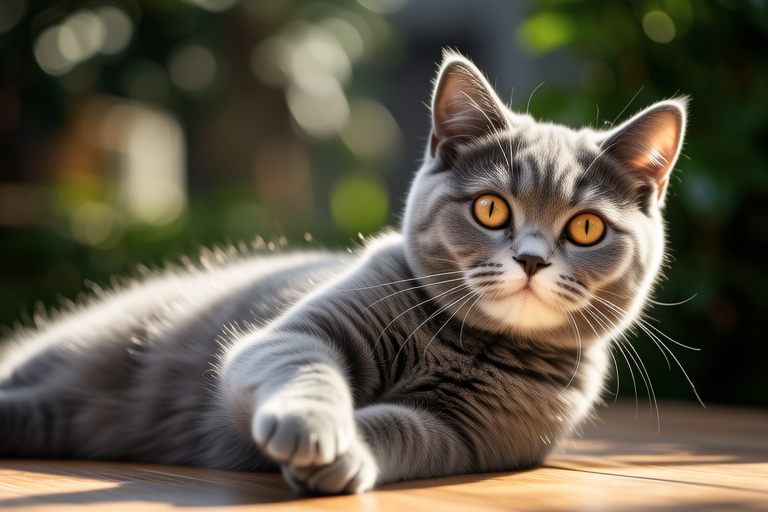
Meet the Munchkin: The Cat With Stumpy Legs!
Welcome to the world of the Munchkin cat! This unique breed has captured the hearts of cat enthusiasts worldwide with its short legs and playful personality. In this article, we will explore the fascinating aspects of Munchkin cats, from their distinctive physical features to their charming temperament. We’ll also address common health concerns and debunk popular myths about these delightful felines. By the end, you’ll have a comprehensive understanding of what it’s like to live with a Munchkin cat, and perhaps you’ll be inspired to welcome one into your family.
The Unique Physical Traits of Munchkin Cats
Munchkin cats are instantly recognizable by their unusually short legs. These cats come in two main varieties: the standard Munchkin and the long-legged Munchkin. The standard Munchkin has noticeably shorter legs compared to other breeds, while the long-legged Munchkin possesses normal-length legs but carries the gene responsible for the shorter limbs. This gene is known as the Munchkin gene, which affects the growth plate in the long bones of the legs.
Despite their stubby legs, Munchkins are surprisingly agile and quick. They can jump to impressive heights and run at high speeds, thanks to their strong back legs and flexible bodies. Their unique physique does not hinder their ability to play or climb; instead, it adds a quirky charm to their movements. For example, many Munchkins are known to “run” in a manner that resembles a rabbit hopping, which is both amusing and adorable to watch.
Besides their legs, Munchkin cats exhibit a wide range of coat types and colors. Some Munchkins have short, sleek fur, while others have longer, more luxurious coats. Regardless of their appearance, they all share a distinctively round head, large ears, and expressive eyes that add to their irresistible cuteness.
Temperament: A Playful Companion
Munchkin cats are known for their friendly and affectionate nature. They thrive on human interaction and enjoy being part of family activities. Many Munchkins form strong bonds with their owners and are often found curled up on laps or following their humans around the house. Their playful demeanor makes them excellent companions for children and other pets, as they are generally good-natured and patient.
One of the most notable traits of Munchkin cats is their curiosity. They love exploring their surroundings and are always on the lookout for new toys or hiding spots. Sarah, a Munchkin owner, shared her experience, “My Munchkin, Luna, is constantly investigating every corner of the house. She loves chasing after small objects and playing hide-and-seek with my other cat. It’s amazing how much fun she can have in such a small space.”
While Munchkins are social animals, they still retain a certain level of independence. They enjoy spending time with their owners but are equally comfortable lounging on their own. This balance between sociability and self-sufficiency makes them ideal pets for various household situations.
Health Considerations
Despite their endearing appearance, Munchkin cats require special attention when it comes to their health. One of the primary concerns is their spine and joints. Due to their unique skeletal structure, Munchkins are more susceptible to spinal issues such as lordosis (an abnormal inward curvature of the spine) and spondylosis (the fusion of vertebrae). Regular veterinary check-ups and maintaining a healthy weight are crucial in preventing these conditions.
Another important aspect of Munchkin health is their heart. Some Munchkins may develop cardiomyopathy, a condition where the heart muscle becomes weakened. Early detection through regular vet visits can help manage this issue effectively. Additionally, Munchkins are prone to respiratory problems, so it’s essential to keep their living environment clean and well-ventilated.
To ensure the best possible care for your Munchkin, consider the following tips:
- Provide a balanced diet rich in nutrients to support overall health.
- Encourage regular exercise to maintain a healthy weight and prevent joint issues.
- Schedule routine vet visits to monitor their spine, heart, and respiratory health.
- Keep their living area free from dust and allergens to reduce the risk of respiratory issues.
By taking proactive steps, you can help your Munchkin lead a happy and healthy life.
Popular Myths About Munchkin Cats
Over the years, several myths have emerged regarding Munchkin cats. Let’s address some of the most common misconceptions:
- Myth: Munchkin cats cannot reproduce.
Munchkin cats can indeed reproduce, and they do so naturally. While there are concerns about the offspring inheriting spinal deformities, responsible breeding practices can minimize these risks. Breeders who prioritize genetic diversity and careful selection contribute to healthier generations of Munchkin cats. - Myth: Munchkin cats are less active than other cats.
Contrary to popular belief, Munchkin cats are just as active and playful as any other breed. Their short legs do not limit their ability to engage in physical activities. In fact, many Munchkins are energetic and enjoy running, jumping, and climbing. - Myth: Munchkin cats are prone to early death.
There is no evidence to suggest that Munchkin cats have a shorter lifespan compared to other breeds. With proper care and attention to their specific health needs, Munchkins can live long, fulfilling lives. On average, Munchkin cats can live between 12 and 15 years.
By dispelling these myths, we hope to provide a clearer understanding of the true nature of Munchkin cats and encourage responsible ownership.
Living With a Munchkin Cat
Bringing a Munchkin cat into your home can be a rewarding experience, but it also comes with its own set of challenges. Here are some practical tips for living with a Munchkin:
Creating a Safe Environment
Due to their short legs, Munchkin cats may need additional assistance to reach high places. Providing sturdy platforms, ramps, or steps can help them access their favorite spots without straining their bodies. Additionally, ensure that your home is free from hazards that could cause injury, such as sharp edges or toxic substances.
Meeting Their Needs
Munchkins are curious creatures that love to explore and play. Providing plenty of toys, scratching posts, and interactive games can help keep them mentally and physically stimulated. Rotate their toys regularly to prevent boredom and encourage continued engagement. Also, make sure they have access to fresh water and a comfortable resting area.
Building a Strong Bond
Spend quality time with your Munchkin by playing with them, grooming them, and simply enjoying their company. This bond will strengthen over time and create a loving relationship between you and your feline friend. Remember that each Munchkin has its own personality, so take the time to understand their individual preferences and quirks.
Conclusion
The Munchkin cat is a unique and captivating breed that brings joy and laughter to countless households. With their stumpy legs, playful nature, and endearing personalities, Munchkins are truly one-of-a-kind companions. While they do require special attention to their health and safety, the rewards of owning a Munchkin far outweigh the challenges.
If you’re considering adopting a Munchkin, take the time to research reputable breeders and prepare your home for your new furry friend. With proper care and love, your Munchkin will become an integral part of your family, bringing endless entertainment and companionship.
So why not give a Munchkin cat a chance? You might just find yourself falling in love with this delightful breed and wondering how you ever lived without one.
