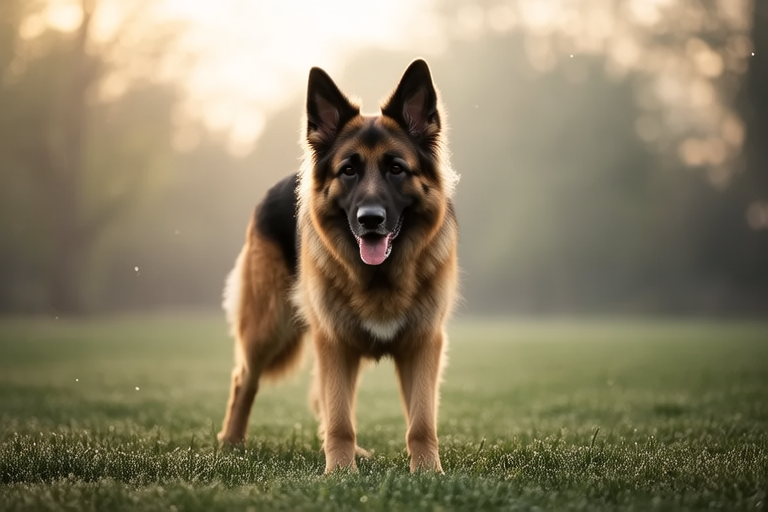
Unleashing Loyalty: The Remarkable World of German Shepherds
German Shepherds are one of the most popular and versatile dog breeds worldwide. Known for their loyalty, intelligence, and strength, these dogs have become indispensable in various roles, from police work to companionship. This article explores the rich history, unique qualities, and care requirements of German Shepherds, offering insights for both enthusiasts and prospective owners.
The Origin and Historical Significance
The German Shepherd breed originated in Germany in the late 19th century, developed by Captain Max von Stephanitz. He aimed to create a versatile working dog that could assist in herding sheep and protecting livestock. The first German Shepherd, Hektor Linksrhein, was registered under the name Horand von Grafrath and became the foundation for the breed. Von Stephanitz established the Verein für Deutsche Schäferhunde (SV) to standardize the breed, focusing on intelligence, strength, and loyalty.
Initially bred for herding, German Shepherds quickly gained recognition for their versatility and adaptability. Their early success in military and police roles during World War I marked a significant turning point in the breed’s history. After the war, they were brought to the United States, where they continued to excel in various fields. Today, German Shepherds are recognized globally for their contributions to society.
Intelligence, Loyalty, and Versatility
German Shepherds are renowned for their exceptional intelligence, ranking among the top five most intelligent dog breeds. Their ability to learn complex commands and tasks makes them ideal candidates for specialized training. This intelligence is complemented by their unwavering loyalty, forming strong bonds with their handlers and families.
These attributes make German Shepherds invaluable in various roles. As service dogs, they assist individuals with disabilities, providing mobility support, alerting to medical emergencies, and offering emotional comfort. In law enforcement, they serve as police dogs, performing search and rescue operations, drug detection, and tracking suspects. Their versatility extends to roles in the military, where they participate in bomb detection, patrol, and combat search and rescue missions.
Despite their professional capabilities, German Shepherds also excel as loyal companions. They thrive in family settings, offering protection and companionship. Their high energy levels and need for mental stimulation mean they require consistent engagement and exercise. Proper socialization and training ensure they remain well-adjusted and friendly in diverse environments.
Physical Characteristics
German Shepherds are medium to large-sized dogs, typically weighing between 30 and 40 kilograms. Males tend to be larger than females, with males standing around 60 to 65 centimeters at the shoulder, while females range from 55 to 60 centimeters. Their distinctive appearance features a robust build, a long, bushy tail, and a double coat that can be either short or long-haired.
Their coats come in various colors, including black, tan, sable, and bi-color combinations. A healthy German Shepherd has a dense undercoat that provides insulation and a weather-resistant outer coat. Regular grooming is essential to maintain their coat’s condition and prevent matting. Their muscular physique and agile movements reflect their working heritage, making them efficient in both physical and mental tasks.
Training Requirements
German Shepherds respond well to positive reinforcement training methods, which emphasize rewards for desired behaviors. Early socialization is crucial to develop well-rounded and confident dogs. Exposing them to different environments, people, and situations helps them adapt to various circumstances.
Consistency and patience are key when training German Shepherds. They are eager to please but can sometimes challenge authority if they sense inconsistency. Establishing clear rules and boundaries ensures they understand what is expected of them. Training should be engaging and mentally stimulating, incorporating activities that challenge their intelligence and keep them interested.
Professional trainers often recommend enrolling German Shepherds in obedience classes. These classes provide structured learning environments and opportunities for social interaction with other dogs and humans. Additionally, participating in agility training or scent work can help channel their energy into productive outlets.
Common Health Issues
Like all breeds, German Shepherds are prone to certain health conditions. Hip dysplasia is a common issue, affecting many large-breed dogs. It occurs when the hip joint does not develop correctly, leading to discomfort and reduced mobility. Regular veterinary check-ups and maintaining a healthy weight can help manage this condition.
Another concern is degenerative myelopathy, a neurological disorder that affects the spinal cord. While there is no cure, early diagnosis and supportive care can improve quality of life. Responsible breeding practices focus on reducing the incidence of inherited diseases, ensuring healthier future generations.
Regular exercise and a balanced diet are vital for maintaining overall health. Providing mental stimulation through interactive toys and puzzles can also benefit their well-being. Owners should be vigilant about signs of illness or discomfort and seek prompt veterinary attention when necessary.
Famous German Shepherds and Notable Achievements
German Shepherds have made numerous contributions to society and captured public imagination through their remarkable achievements. One of the most famous German Shepherds is Rin Tin Tin, a war orphan rescued during World War I. He became a Hollywood sensation, starring in over 20 films and earning international acclaim. Rin Tin Tin’s legacy continues to inspire admiration for the breed.
In recent years, German Shepherds have achieved notable feats in various fields. Cairo, a member of the U.S. Navy SEAL Team Six, played a pivotal role in the raid that led to the capture of Osama bin Laden. His bravery and dedication exemplify the breed’s commitment to duty. Another notable German Shepherd, Lex, served as a combat tracker in Iraq and Afghanistan before being adopted by his handler, who later founded the non-profit organization Military Working Dog Teams Assistance Association.
These examples highlight the extraordinary capabilities of German Shepherds and their enduring impact on human lives. Their stories serve as testament to the breed’s loyalty, intelligence, and unwavering dedication.
Tips for Potential Owners
Considering a German Shepherd as a pet requires careful thought and preparation. Prospective owners should be prepared for the time and effort required to raise and train these intelligent and energetic dogs. Below are some tips for potential owners:
- Prepare for Commitment: German Shepherds require significant time and attention. They thrive on routine and structure, so owners must be willing to invest in their care and training.
- Provide Mental Stimulation: Engage your German Shepherd with puzzle toys, interactive games, and regular training sessions. This keeps their minds active and prevents boredom-related behavior issues.
- Ensure Adequate Exercise: Daily walks and playtime are essential for maintaining their physical and mental health. Consider incorporating activities like fetch, agility training, or hiking to keep them stimulated.
- Prioritize Socialization: Early socialization is critical for developing well-adjusted and confident dogs. Expose your German Shepherd to various environments, people, and other animals to promote positive interactions.
- Seek Professional Guidance: Enroll in obedience classes or consult with a professional trainer for guidance on proper training techniques and handling.
- Understand Health Concerns: Familiarize yourself with common health issues and establish a relationship with a trusted veterinarian. Regular check-ups and preventive care can help maintain your dog’s health.
By following these guidelines, you can provide a loving and enriching environment for your German Shepherd, ensuring a fulfilling and joyful companionship.
In conclusion, German Shepherds are remarkable dogs with a rich history and diverse talents. Their intelligence, loyalty, and versatility make them valuable partners in various roles. Whether serving as service dogs, police officers, or loyal companions, German Shepherds continue to captivate hearts and minds. For those considering this breed, understanding their needs and dedicating time to their care will lead to a rewarding and meaningful bond.
