How Coral Shrimp Are Transforming Saltwater Aquariums Everywhere
In recent years, coral shrimp have become increasingly popular among saltwater aquarium enthusiasts. These fascinating creatures, known for their vibrant colors and unique behaviors, are not only aesthetically pleasing but also play a crucial role in maintaining a healthy ecosystem within saltwater tanks. This article will explore the unique characteristics of coral shrimp, their impact on marine environments, and provide valuable tips for beginners looking to introduce these beneficial crustaceans into their aquarium setups.
The Unique Characteristics of Coral Shrimp
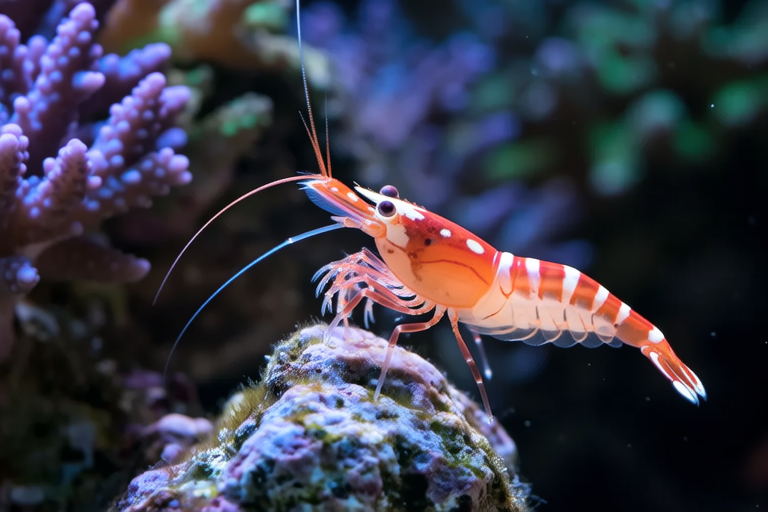
Coral shrimp, scientifically named Stenopus hispidus, are small, colorful crustaceans that inhabit coral reefs across the Indo-Pacific region. Their distinctive appearance includes three pairs of legs, each progressively longer, culminating in a pair of long, feathery antennae. They come in various shades of red, white, and blue, making them a striking addition to any saltwater aquarium. One of their most notable features is their ability to change color, adapting to their surroundings for camouflage or communication purposes. This characteristic makes them a favorite among aquarists who appreciate the dynamic beauty they bring to their tanks.
A Role in Maintaining a Healthy Ecosystem
One of the primary reasons coral shrimp have gained popularity is their remarkable ability to contribute positively to the health of saltwater aquariums. Coral shrimp are natural scavengers, feeding on detritus, algae, and other organic matter that accumulates in the tank. By consuming this debris, they help prevent the buildup of harmful substances that can lead to poor water quality and stress for other inhabitants. Additionally, they play a vital role in maintaining the balance of the ecosystem by preying on smaller organisms like bristle worms, which can become pests if left unchecked. Their presence encourages a diverse and thriving marine environment, enhancing the overall health and stability of the aquarium.
Aesthetic Appeal and Popularity Surge
The visual appeal of coral shrimp has undoubtedly contributed to their growing popularity among aquarium enthusiasts. Their striking appearance and graceful movements make them a focal point in many setups. As more aquarists discover the benefits of incorporating these crustaceans into their tanks, the demand for coral shrimp has surged. Many hobbyists are drawn to their unique behaviors, such as their tendency to clean the surfaces of corals and rocks, which adds an element of interest and interaction to the aquarium experience. The combination of functional utility and aesthetic charm has made coral shrimp a must-have addition for many saltwater aquarium owners.
Specific Benefits for Marine Environments
Beyond their cleaning capabilities, coral shrimp offer several specific benefits to marine environments. They excel at controlling algal growth, which can be problematic in closed systems like aquariums. By grazing on algae, they help maintain clear water and promote the health of coral and other sessile organisms. Furthermore, their presence enhances biodiversity, encouraging the introduction of other beneficial species that thrive in a balanced ecosystem. This diversity not only enriches the visual appeal of the tank but also fosters a more resilient and sustainable aquatic community.
Tips for Beginners: Introducing and Caring for Coral Shrimp
For those new to the world of saltwater aquariums, successfully introducing and caring for coral shrimp requires some preparation and knowledge. First and foremost, ensure that your tank is established and stable before adding shrimp. A well-cycled tank with appropriate filtration and water parameters is essential for the shrimp’s survival. Coral shrimp prefer temperatures between 72-82°F (22-28°C) and a salinity level of 1.023-1.025 specific gravity. Regular water changes and maintenance of optimal conditions are crucial to their well-being.
When introducing coral shrimp, it’s important to acclimate them gradually to avoid shock. Place the shrimp in a container with tank water and slowly adjust the temperature and salinity over an hour before releasing them into the main tank. Provide ample hiding spots and live rock for the shrimp to explore and establish territories. Feeding should include a variety of foods such as frozen brine shrimp, mysis shrimp, and prepared aquarium food. Supplemental algae wafers can also be beneficial, especially if the tank does not have sufficient natural algae growth.
Future Trends Influenced by Coral Shrimp
The influence of coral shrimp on the future of aquarium keeping is promising. As more hobbyists adopt these beneficial crustaceans, there is likely to be an increased focus on creating balanced ecosystems that support a wide range of marine life. This shift towards sustainability and biodiversity may inspire innovations in tank design, filtration systems, and husbandry practices. Coral shrimp could also play a significant role in promoting responsible aquarium ownership, encouraging enthusiasts to prioritize the health and welfare of their aquatic communities. As awareness grows, so too does the potential for coral shrimp to shape the next generation of saltwater aquariums.
In conclusion, coral shrimp are transforming saltwater aquariums everywhere with their unique characteristics, ecological benefits, and aesthetic appeal. Their ability to maintain a healthy and diverse marine environment makes them invaluable additions to any setup. For beginners and experienced aquarists alike, incorporating coral shrimp can enhance the beauty and functionality of their tanks while fostering a deeper appreciation for the intricate balance of life within these artificial reef systems. As we continue to learn more about these fascinating creatures, their impact on the future of aquarium keeping promises to be both enlightening and inspiring.
