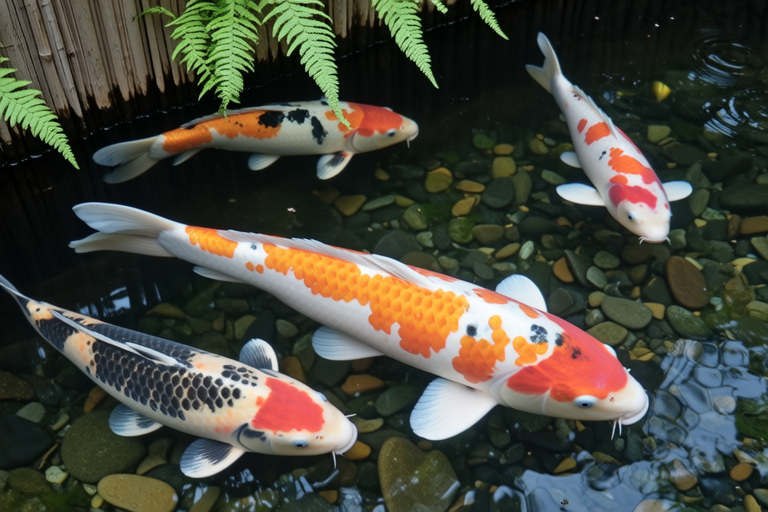
How to Create the Perfect Pond Habitat for Thriving Koi
Welcome to the enchanting world of koi ponds! These vibrant aquatic environments are not only visually stunning but also provide a serene sanctuary for these magnificent fish. Creating a perfect habitat for thriving koi involves careful planning and consideration of various factors that contribute to their health and well-being. This guide will walk you through the essential elements of building an ideal pond for your koi, from selecting the right location to maintaining optimal water conditions.
Selecting the Right Location
The first step in creating a perfect pond for your koi is choosing the right location. While koi can adapt to different environments, they thrive best when placed in areas that offer protection from harsh weather conditions and predators. Ideally, select a spot that receives partial sunlight throughout the day; too much direct sunlight can lead to excessive algae growth and temperature fluctuations. Ensure the chosen site has good drainage to prevent waterlogging and flooding during heavy rains.
Pond Size and Depth Considerations
When it comes to pond size, bigger is usually better. Larger ponds provide more stable water temperatures and increased oxygen levels, which are crucial for koi health. A general rule of thumb is to have at least 20 gallons of water per inch of fully grown koi. In terms of depth, aim for a minimum depth of 3 feet to ensure adequate thermal stratification during colder months. Deeper sections also allow koi to retreat into cooler waters during hot summer days.
Filtration System Recommendations
A robust filtration system is vital for maintaining clean and healthy pond water. Choose a filter that can handle the volume of water in your pond effectively. Mechanical filters remove debris and waste, while biological filters support beneficial bacteria that break down harmful substances like ammonia and nitrite. Additionally, consider incorporating UV sterilizers to control algae growth and improve water clarity.
Aeration Techniques
Proper aeration ensures sufficient oxygen levels within the pond, promoting overall koi health. Install an aerator or fountain to circulate water and increase dissolved oxygen content. During warmer periods, supplemental aeration may be necessary to prevent low oxygen events, especially if your pond lacks strong natural currents.
Ideal Water Parameters (Temperature, pH, etc.)
Maintaining optimal water parameters is key to keeping your koi happy and healthy. Aim for a stable pH range between 7.0 and 8.5, with temperatures ideally ranging from 68°F to 82°F (20°C to 28°C). Regularly test these parameters using reliable testing kits, and make adjustments as needed to maintain balance.
Beneficial Plants
Incorporating aquatic plants into your pond ecosystem offers numerous benefits. They help absorb excess nutrients, providing natural filtration, and provide hiding spots for koi to feel secure. Some popular choices include water lilies, lotus flowers, and submerged plants like hornwort and anacharis. Ensure a mix of floating, emergent, and submerged plants for balanced growth.
Necessary Shade
Shade plays a critical role in regulating water temperature and reducing stress on your koi. Natural shading options include trees or shrubs surrounding the pond area, while artificial solutions like floating shades or pond covers can be used if natural options aren’t available. Aim for about 40% to 60% coverage to achieve the desired effect without completely blocking out sunlight.
Koi Nutrition Basics
Feeding your koi a balanced diet rich in protein and essential nutrients supports their growth and vitality. High-quality commercial pellets designed specifically for koi are widely available and should form the foundation of their diet. Supplement this with occasional treats such as freeze-dried bloodworms or spirulina flakes to enhance coloration and overall health. Adjust feeding amounts based on water temperature and activity levels, ensuring no leftovers remain in the water.
Disease Prevention Strategies
Preventing diseases is easier than treating them once they’ve taken hold. Maintain excellent water quality by regularly cleaning filters and removing debris. Quarantine new additions before introducing them to your main pond population. Avoid overstocking the pond to minimize competition for resources and reduce stress among fish. Monitor your koi closely for any signs of illness, including unusual behavior or physical changes, and act promptly if issues arise.
Regular Maintenance Tips
Consistent maintenance keeps your koi pond running smoothly and ensures long-term success. Perform routine checks on all equipment, including pumps, filters, and heaters, to catch potential problems early. Skim the surface daily to remove leaves and other organic matter. Conduct thorough cleanings every few weeks, vacuuming the bottom substrate and scrubbing algae off surfaces. Test water parameters weekly to ensure they stay within acceptable ranges.
By following these guidelines, you’ll be well on your way to establishing a thriving koi pond that provides years of enjoyment and satisfaction. Remember, patience and attention to detail are key components of successful koi keeping. With time and practice, you’ll develop a deep understanding of what your koi need to flourish, creating a harmonious environment where both beauty and biology come together beautifully.
