The Ultimate Guide to Training Your Shiba Inu for a Happier, Obedient Companion
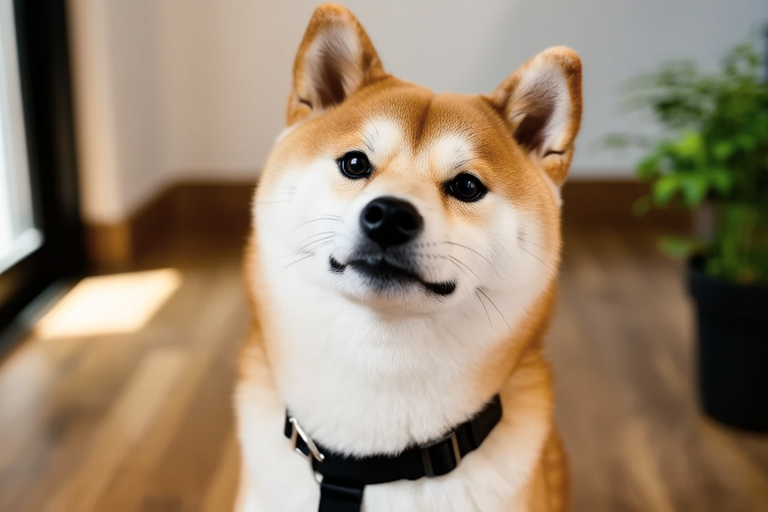
Welcome to the world of Shiba Inus! Known for their striking red coats and fox-like faces, these dogs are not just eye candy but also intelligent, independent, and fiercely loyal companions. Their history dates back to ancient Japan, where they were bred as hunting dogs. Understanding these unique traits is crucial for any potential owner looking to train their Shiba Inu effectively.
Understanding the Unique Characteristics of Shiba Inus
Shiba Inus are known for their high levels of intelligence, which makes them quick learners. However, this intelligence also means that they can be quite independent and may sometimes act stubborn. Despite their independent nature, Shibas are deeply loyal to their owners, making them excellent companions once you establish a strong bond.
One of the most challenging aspects of owning a Shiba Inu is their tendency towards stubbornness. They often require a patient and consistent approach when it comes to training. But with the right techniques, you can turn your Shiba Inu into a well-behaved, happy companion.
Essential Training Tips for Shiba Inus
Positive Reinforcement Techniques
Positive reinforcement is key when training your Shiba Inu. Rewarding good behavior with treats, praise, or playtime encourages your dog to repeat those actions. Avoid punishment-based methods, as they can lead to fear and anxiety, which may make your Shiba Inu more resistant to training.
Consistency in Commands
Consistency is crucial in training any dog, especially Shibas. Use clear and concise commands, and ensure all family members use the same words and tone when giving instructions. This helps prevent confusion and strengthens the communication between you and your dog.
Building Trust
Building trust is fundamental to effective training. Spend time bonding with your Shiba Inu through play and affection. This will help create a strong foundation of trust, making it easier to train them. Remember, a well-trained Shiba Inu is a happier and more obedient companion.
Common Behavioral Issues and How to Manage Them
Stubbornness is one of the most common issues encountered when training Shibas. To manage this, stay calm and patient. Break down tasks into smaller steps and reward each step. If your Shiba Inu refuses to comply, take a break and try again later. It’s important to avoid pushing too hard, as this can lead to resistance.
Another common issue is excessive barking. Shibas are vocal dogs and may bark excessively if they are bored or seeking attention. To address this, provide plenty of mental and physical stimulation to keep them occupied. Teach them the ‘quiet’ command by rewarding them when they stop barking on command.
Socialization and Basic Obedience Training
Socialization
Socializing your Shiba Inu from a young age is crucial for their development. Expose them to various people, animals, and environments to help them become confident and well-adjusted adults. Early socialization can also reduce the likelihood of aggression and fearfulness in the future.
Basic Obedience Training
Start with basic commands such as ‘sit’, ‘stay’, ‘come’, and ‘heel’. These commands form the foundation of good behavior and are essential for safe and enjoyable walks. Use positive reinforcement and patience to teach these commands. Once your Shiba Inu has mastered these basics, you can move on to more advanced training.
Advanced Training Methods
Once your Shiba Inu has mastered basic obedience, you can introduce more advanced training techniques. Agility training is a great way to challenge your dog mentally and physically. It also provides an opportunity for you and your dog to work together as a team. Other advanced training options include scent work and search and rescue training.
Maintaining a Strong Bond Between Owner and Dog
Maintaining a strong bond with your Shiba Inu is essential for their happiness and obedience. Spend quality time together, engage in activities they enjoy, and continue to reinforce good behavior. Regular training sessions and playtime will help strengthen your bond and ensure a lifetime of companionship.
In conclusion, training your Shiba Inu requires patience, consistency, and a positive approach. By understanding their unique characteristics and addressing common behavioral issues, you can turn your Shiba Inu into a well-behaved, happy companion. Remember, the goal of training is not just to teach commands but also to build a strong, trusting relationship with your dog. With the right techniques and dedication, you can enjoy a lifetime of joy and companionship with your Shiba Inu.
