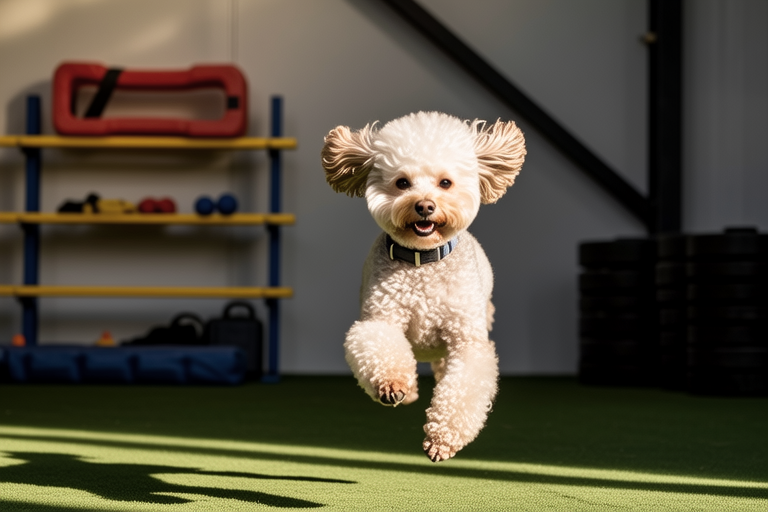
Poodles Unleashed: Discovering the Smartest Dog Breed’s Hidden Talents
When it comes to intelligence and versatility among dog breeds, the poodle stands out as one of the brightest stars. Known for their sharp minds and remarkable adaptability, poodles have been cherished for centuries for their ability to excel in a wide range of tasks. From their origins as water retrievers to their modern-day roles as therapy animals and show dogs, poodles have consistently proven themselves to be not just clever but also incredibly loyal companions.
The Historical Background of Poodles: Intelligent Working Dogs
The history of poodles dates back to ancient times when they were bred primarily as water retrievers in Germany. Their name, derived from the German word “Pudel,” meaning “to splash,” reflects their original purpose. Despite their elegant appearance today, poodles were initially working dogs designed for hunting and retrieving game from water bodies. Their intelligence and quick learning capabilities made them ideal for this role, as they could be trained to follow commands and retrieve items efficiently.
Over time, poodles became popular in France, where they were refined into the more familiar breed we know today. They were often seen in royal courts and were favored by aristocrats for their grace and elegance. The French took a particular liking to poodles, especially the smaller varieties, and began to breed them for companionship rather than solely for work. This shift in breeding led to the development of different sizes of poodles—standard, miniature, and toy—each suited to different purposes and preferences.
Physical Traits and Grooming Needs
Poodles possess a distinctive physical appearance that sets them apart from other breeds. One of their most notable features is their curly, hypoallergenic coat, which requires regular grooming. This coat not only contributes to their unique look but also plays a crucial role in their performance as working dogs. Historically, poodles’ coats were clipped in specific patterns to aid in swimming by reducing drag while still providing warmth and protection.
Their grooming needs are extensive, requiring frequent brushing and trimming to prevent matting and maintain their sleek appearance. This attention to detail extends beyond aesthetics; proper grooming can help keep their skin healthy and reduce shedding, making them a suitable choice for individuals with allergies or sensitivities to pet dander. Additionally, their curly hair provides insulation against cold weather, which was essential for their original role as water retrievers.
Poodles come in a variety of colors, including black, white, apricot, and grey, adding to their appeal. Their expressive eyes and lively demeanor further enhance their charm. The breed’s athleticism is evident in their muscular build and agile movements, making them well-suited for various activities that require both mental and physical engagement.
Talents and Abilities of Poodles
Poodles are renowned for their exceptional intelligence and trainability, qualities that make them highly versatile in numerous fields. Their aptitude for obedience training is unparalleled, as they quickly grasp commands and respond enthusiastically. This makes them ideal candidates for competitive obedience events, where they showcase their precision and responsiveness. In fact, poodles frequently win top honors in such competitions, demonstrating their natural talent for following instructions and performing complex tasks.
Beyond obedience, poodles excel in agility competitions, where they navigate obstacle courses with speed and accuracy. Their agility and flexibility allow them to jump over hurdles, weave through poles, and run up and down ramps with ease. Their keen sense of balance and coordination, combined with their strong hindquarters, enables them to perform these tasks flawlessly. Many poodles have become household names in the world of agility, captivating audiences with their impressive performances.
In addition to their athletic prowess, poodles are well-suited for service roles, such as guide dogs for the visually impaired and therapy dogs. Their gentle nature and empathetic temperament make them excellent companions for people in need. For instance, many poodles have been trained as medical alert dogs, capable of detecting changes in blood sugar levels or predicting seizures before they occur. Their ability to sense and respond to human emotions also makes them invaluable therapy dogs, providing comfort and support to those in hospitals, nursing homes, and schools.
Anecdotes and Case Studies of Exceptional Poodles
One notable example of a poodle’s exceptional abilities is Ch. Grand Prix, a standard poodle who won Best in Show at the Westminster Kennel Club Dog Show in 1983. His victory marked a significant milestone for the breed, as it was the first time a poodle had achieved this prestigious honor. Grand Prix’s success highlighted the breed’s intelligence, beauty, and athletic capabilities, cementing its reputation as one of the smartest and most versatile dog breeds.
Another inspiring story involves a miniature poodle named Mya, who served as a therapy dog at the University of California, San Francisco Medical Center. Mya was known for her calming presence and ability to comfort patients, particularly children undergoing chemotherapy. Her gentle demeanor and affectionate nature made her a favorite among staff and visitors alike. Mya’s contributions to the well-being of patients exemplify the positive impact that poodles can have in healthcare settings.
Tips for Engaging and Training Your Poodle
To bring out the best in your poodle, it’s important to provide ample mental and physical stimulation. Poodles thrive on challenges, so incorporating puzzle toys and interactive games into their routine can help keep their minds sharp. Additionally, regular exercise, such as walks, runs, or play sessions, is essential for maintaining their physical health and preventing boredom.
Training your poodle should be a rewarding experience for both you and your pet. Positive reinforcement techniques, such as treats and praise, are highly effective in encouraging good behavior and building a strong bond between you and your dog. Consistency is key when teaching new commands or tricks, as poodles learn quickly and respond well to repetition. Patience and persistence will ensure that your poodle becomes a well-behaved and obedient companion.
For those interested in pursuing competitive activities with their poodle, joining local clubs or organizations can provide valuable resources and opportunities for training and socialization. Whether you choose obedience trials, agility competitions, or therapy work, there are countless ways to engage your poodle and showcase its talents. By nurturing your poodle’s inherent intelligence and enthusiasm, you can unlock its full potential and create a lifetime of joyful experiences together.
