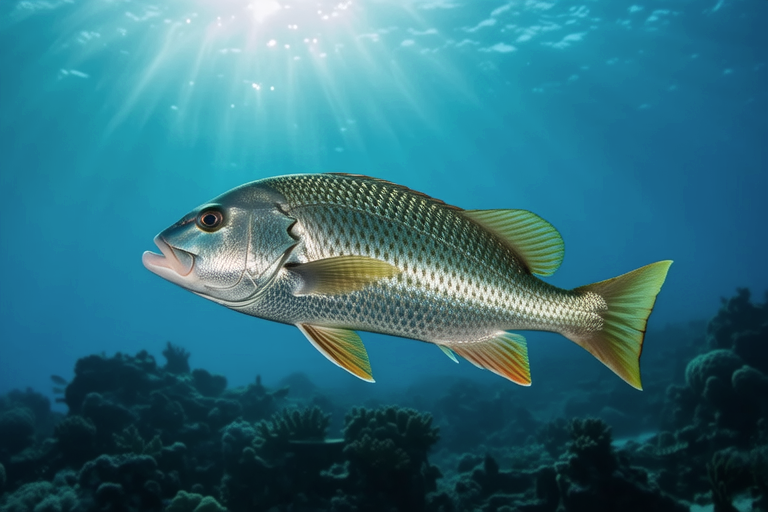
From Coral Reefs to Aquariums: The Journey of Parrot Fish
The vibrant world of coral reefs is one of the most biodiverse ecosystems on our planet. These underwater cities, teeming with life, are home to thousands of species, each playing a crucial role in maintaining the delicate balance of this ecosystem. Among the many inhabitants of these reefs, parrot fish stand out as particularly fascinating creatures. Known for their bright colors and distinctive beak-like mouths, these fish are not only a visual treat but also play a vital role in the health and survival of coral reefs.
The Vibrant World of Coral Reefs
Coral reefs are formed by tiny organisms called coral polyps, which secrete calcium carbonate to build their skeletons. Over time, these structures grow into intricate formations that provide shelter and breeding grounds for countless marine species. The reefs themselves are often referred to as the ‘rainforests of the sea’ due to their incredible biodiversity. They support an estimated 25% of all known marine species despite covering less than 1% of the ocean floor.
In this bustling ecosystem, parrot fish are active participants. Their colorful scales, ranging from electric blues and greens to vibrant oranges and yellows, make them stand out among the diverse marine life. Their unique physical appearance is complemented by their equally remarkable behaviors and dietary habits, which are integral to the reef’s health.
Unique Physical Characteristics, Behaviors, and Dietary Habits
Parrot fish possess several adaptations that allow them to thrive in their environment. Their robust, beak-like mouths are designed for scraping algae off coral surfaces. This feeding mechanism is crucial for the reef’s health, as it helps prevent algae from overgrowing and smothering corals. Additionally, parrot fish contribute to the formation of sand by consuming coral and other hard substances. As they digest these materials, they excrete fine sand particles, thus playing a key role in beach formation.
These fish are diurnal, meaning they are most active during the day. During this period, they can be seen swimming in schools or pairs, grazing on algae-covered rocks and coral. Their social interactions are complex and include mating rituals that involve elaborate displays of color and movement. Parrot fish are also known for their ability to change sex, a phenomenon known as sequential hermaphroditism. This allows populations to maintain a balanced ratio of males and females, ensuring successful reproduction.
Challenges Faced by Parrot Fish
Despite their importance to coral reefs, parrot fish face numerous threats due to environmental changes and human activities. Climate change has led to increased water temperatures, causing coral bleaching, a condition where corals expel the symbiotic algae living in their tissues, turning white and often dying. This not only affects the coral itself but also the entire reef ecosystem, including parrot fish.
Human activities such as overfishing, pollution, and coastal development further exacerbate these issues. Overfishing can lead to population declines, while pollution can harm both the fish and their habitats. Coastal development often results in the destruction of critical reef areas, reducing available space for these fish to live and breed.
Due to these challenges, parrot fish have found their way into aquariums, providing a sanctuary for some individuals and a source of fascination for aquarists. However, this transition comes with its own set of challenges and responsibilities.
Parrot Fish in Aquariums
Keeping parrot fish in aquariums requires careful consideration and responsibility. The first step is creating a suitable tank environment. Given their size and activity level, parrot fish need a large tank with plenty of swimming space. A minimum of 75 gallons is recommended for smaller species, increasing to 125 gallons or more for larger varieties. The tank should also be equipped with ample hiding spots and caves, as parrot fish need places to retreat and feel secure.
Diet is another crucial aspect of keeping parrot fish healthy. In the wild, their diet consists primarily of algae and small invertebrates. In captivity, it is essential to replicate this diet as closely as possible. High-quality flake foods, pellets, and algae wafers can form the base of their diet, supplemented with occasional treats like frozen or fresh seafood. It is important to note that overfeeding can lead to poor water quality and obesity, so portion control is key.
Social behavior must also be considered when housing parrot fish. While some species can coexist peacefully in groups, others may become aggressive towards tankmates. Researching the specific needs of your chosen species is vital to ensure compatibility within the aquarium community. Additionally, providing adequate space and resources can help mitigate potential conflicts.
The Importance of Conservation Efforts
The journey of parrot fish from coral reefs to aquariums underscores the importance of conservation efforts for these fascinating creatures. Both in the wild and in captivity, their well-being depends on responsible practices and dedicated efforts.
In the wild, protecting coral reefs is paramount. Initiatives aimed at reducing carbon emissions, combating pollution, and promoting sustainable fishing practices can all contribute to healthier reef environments. Supporting organizations that work to restore damaged reefs and protect marine habitats is also crucial.
In captivity, responsible aquarists play a vital role in ensuring the well-being of parrot fish. By providing proper care and adhering to ethical guidelines, they help maintain the health and vitality of these animals. Furthermore, educating others about the importance of conservation and the challenges faced by marine life can inspire broader action.
Ultimately, the journey of parrot fish from coral reefs to aquariums serves as a reminder of the interconnectedness of all marine life. Protecting these vibrant ecosystems not only preserves the beauty of our oceans but also ensures the survival of countless species, including the captivating parrot fish.
