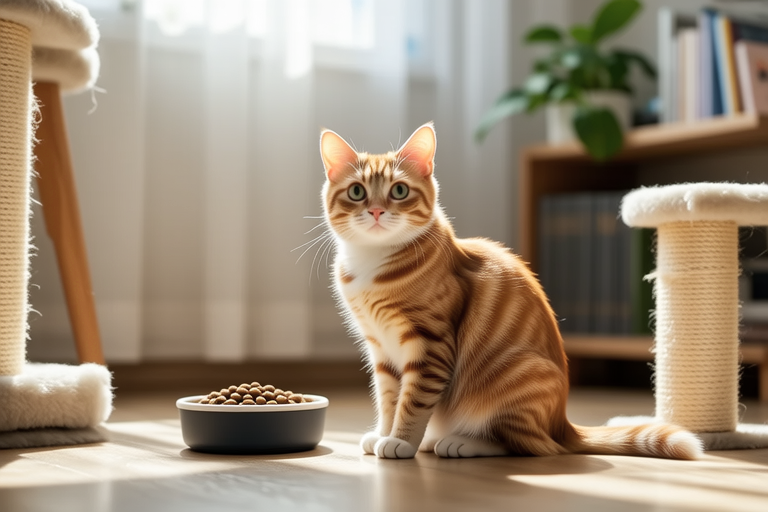
Adopting an Orange Tabby: Tips for First-Time Pet Owners
Welcome to the wonderful world of pet ownership! Bringing home an orange tabby cat is a delightful adventure that comes with its unique set of joys and challenges. This comprehensive guide will help you navigate through the initial stages of owning your new feline friend, offering practical advice and essential information for first-time pet owners.
Understanding the Temperament of Orange Tabbies
Orange tabbies are known for their friendly and outgoing personalities, making them excellent companions for families and individuals alike. They tend to be playful and sociable, often enjoying interaction with their human family members. However, it’s important to note that each cat has its own unique personality, so it’s crucial to spend time getting to know your specific orange tabby.
These cats are generally affectionate and enjoy being petted and played with. They can be quite vocal, expressing their needs or just chatting with you. Understanding your cat’s behavior will help you build a strong bond and ensure they feel secure and happy in their new home.
Necessary Supplies for a Comfortable Home Setup
Before bringing your orange tabby home, it’s essential to prepare a welcoming and comfortable environment. Here are some must-have items:
- Bedding: Provide soft, cozy bedding for your cat to rest on. Cats love having their own space to relax and sleep.
- Litter Box: Choose a litter box that is easy for your cat to enter and exit. It should be large enough for them to move around comfortably. Place it in a quiet area away from their food and water bowls.
- Toys: Stimulate your cat’s natural hunting instincts with interactive toys like feather wands or laser pointers. Puzzle toys can also help keep their minds engaged.
- Grooming Tools: Invest in a brush suited for your cat’s coat type. Regular brushing helps reduce shedding and keeps their fur healthy.
- Scratching Posts: Cats need scratching posts to sharpen their claws and stretch their bodies. Place these in areas where your cat spends most of their time.
Tips for Proper Nutrition and Feeding
Feeding your orange tabby a balanced diet is crucial for their overall health and well-being. Consult with your veterinarian to determine the best food for your cat based on their age, weight, and any specific dietary needs. Generally, high-quality commercial cat foods are a good choice, as they provide essential nutrients.
Feed your cat at regular intervals throughout the day. Some cats prefer smaller, more frequent meals, while others may eat larger portions less frequently. Ensure fresh water is always available in a clean bowl. Avoid feeding your cat human food, as many common table scraps can be harmful or toxic.
Guidance on Litter Box Management
Maintaining a clean litter box is vital for your cat’s health and comfort. Cats are naturally clean animals and prefer a litter box that is regularly cleaned. Scoop out waste daily and change the litter completely every week. Wash the litter box with mild soap and water periodically to prevent bacterial growth.
If your cat is reluctant to use the litter box, consider factors such as cleanliness, location, and type of litter used. Some cats prefer unscented litter, while others may enjoy the scent of certain additives. Experiment with different options to find what works best for your cat.
Advice on Grooming and Maintaining Hygiene
Grooming your orange tabby is an essential part of keeping them healthy and happy. Brush their coat regularly to remove loose hair and prevent matting. Pay special attention to areas prone to tangles, such as behind the ears and under the tail. Bathing your cat should be done infrequently, as excessive bathing can strip their skin of natural oils.
Trim your cat’s nails every few weeks to prevent overgrowth and potential injury. Use cat-specific nail clippers and be gentle to avoid causing discomfort. Additionally, check your cat’s ears weekly for signs of infection or dirt buildup. Clean their ears gently with a cotton ball and a veterinarian-approved ear cleaner if necessary.
Strategies for Socializing and Training
Socializing your orange tabby is important for helping them adapt to their new environment and interact positively with other pets and people. Introduce your cat to new experiences gradually and in a controlled manner. Encourage playtime and positive interactions to build trust and confidence.
Training your cat involves reinforcing desired behaviors with rewards like treats or praise. For example, rewarding your cat for using the litter box consistently can encourage good habits. Avoid punishing your cat, as this can lead to fear and stress. Instead, focus on positive reinforcement techniques to guide their behavior.
Addressing Common Health Issues
Regular veterinary check-ups are essential for monitoring your cat’s health and addressing any concerns early. Common health issues in orange tabbies include dental problems, obesity, and urinary tract infections. Dental care is particularly important, as poor oral hygiene can lead to serious health complications.
Keep an eye on your cat’s weight and adjust their diet and exercise routine as needed. Obesity can increase the risk of various health problems, including diabetes and joint issues. Encourage regular play sessions to keep your cat active and healthy.
Integrating the New Cat into a Family Environment
For families with children, teach kids how to handle and respect the new cat. Demonstrate gentle petting and appropriate ways to play with the cat. Supervise all interactions between children and the cat until everyone is comfortable with each other.
Bringing an orange tabby into your life is a rewarding experience that requires patience, dedication, and love. By following these tips and providing a nurturing environment, you’ll help your new cat thrive and become a cherished member of your family.
