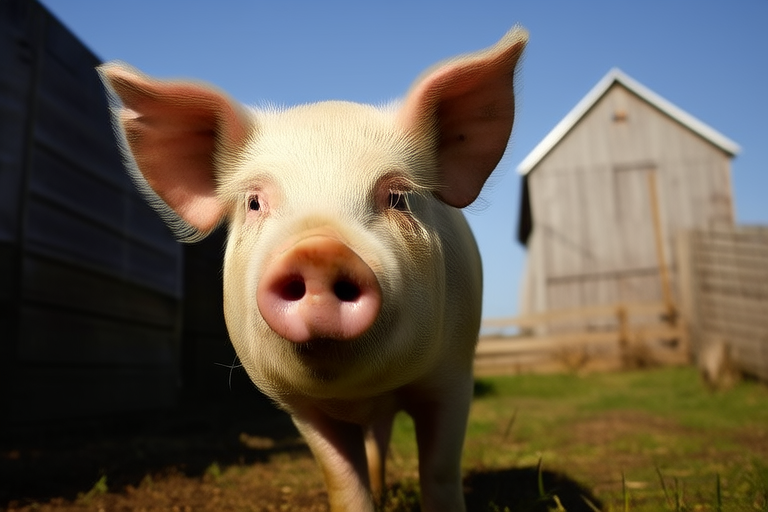
Adopting a Mini Pig: What Every Future Owner Should Know
The growing popularity of mini pigs as pets has surged in recent years. These intelligent and affectionate animals have captured the hearts of many pet lovers due to their small size, unique appearance, and engaging personalities. However, adopting a mini pig comes with significant responsibilities that potential owners must carefully consider. This article aims to provide a comprehensive guide for those interested in bringing a mini pig into their home.
Understanding Mini Pigs
Mini pigs, also known as teacup or micro pigs, are a popular choice for urban dwellers who want a pet that does not require a large yard. Despite their name, these pigs can still grow quite large, ranging from 50 to 200 pounds depending on the breed. It’s crucial for potential owners to understand the true size and space requirements of mini pigs before making a commitment.
Key Factors to Consider Before Adoption
Space Requirements
Mini pigs need ample space to move around comfortably. While they don’t require as much space as larger farm animals, they do need room to roam and explore. A spacious indoor area or a well-fenced outdoor enclosure is essential. Additionally, mini pigs need a comfortable sleeping area that provides warmth and security.
Dietary Needs
Proper nutrition is vital for the health and longevity of mini pigs. Their diet should consist of high-quality commercial pig pellets supplemented with fresh vegetables and fruits. Avoid feeding them too many treats or human food, as this can lead to obesity and other health problems. It’s important to consult with a veterinarian or a professional nutritionist to create a balanced diet plan for your mini pig.
Exercise Habits
Regular exercise is crucial for maintaining the physical and mental well-being of mini pigs. Daily walks and playtime help keep them fit and engaged. Providing toys and enrichment activities can also stimulate their minds and prevent boredom. Exercise not only helps maintain a healthy weight but also reduces stress and anxiety in mini pigs.
Behavioral Traits and Interaction
Mini pigs are highly intelligent and social creatures that thrive on interaction with their owners. They enjoy being petted and can form strong bonds with their human families. However, it’s important to establish clear boundaries and rules early on to ensure a harmonious relationship. Mini pigs can be trained to use a litter box and respond to basic commands, making them relatively easy to manage in a household setting.
When it comes to interacting with other pets, mini pigs generally get along well with dogs and cats if introduced properly. However, each animal’s temperament is different, so it’s important to monitor their interactions closely. Early socialization with other animals can help foster positive relationships.
Common Health Issues and Veterinary Care
Like all animals, mini pigs are susceptible to various health issues. Regular veterinary check-ups are essential for maintaining their overall health. Some common health problems include parasites, dental issues, and respiratory infections. Mini pigs are also prone to obesity, which can lead to joint problems and heart disease. Therefore, monitoring their weight and providing a balanced diet is crucial.
Vaccinations and preventive care, such as flea and tick treatments, should be part of routine healthcare. Spaying or neutering your mini pig is recommended to prevent certain health issues and undesirable behaviors like aggression or marking territory. Always choose a veterinarian experienced in treating mini pigs to ensure they receive appropriate care.
Where to Adopt Responsibly
Adopting a mini pig from a reputable rescue organization or breeder is the best way to ensure you’re bringing a healthy and well-socialized animal into your home. Many shelters have mini pigs available for adoption, and working with a responsible breeder ensures you’re supporting ethical breeding practices. Avoid purchasing from backyard breeders or online sellers who may prioritize profit over the welfare of the animals.
Resources for New Owners
Becoming a mini pig owner means joining a community of fellow enthusiasts who can offer support and guidance. Joining local or online groups dedicated to mini pigs can provide valuable information and advice. There are also numerous books and websites that offer detailed information on caring for mini pigs. Connecting with experienced owners can help new owners navigate the challenges of raising a mini pig.
In conclusion, adopting a mini pig can be a rewarding experience for those willing to commit to their care and well-being. By understanding the unique needs and characteristics of mini pigs, potential owners can make informed decisions and provide a loving home for these delightful animals. With proper preparation, dedication, and love, mini pigs can become cherished members of any family.
