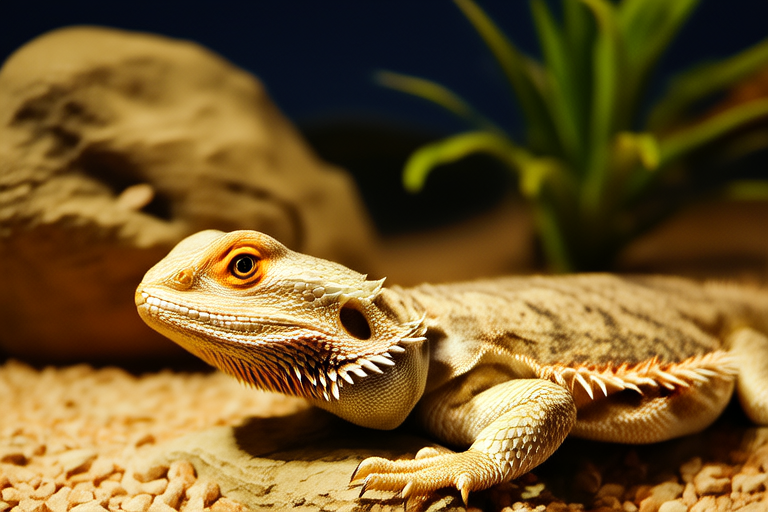
Bearded Dragon Care Made Simple: Tips from Expert Owners
Welcome to the world of bearded dragon ownership! These fascinating creatures make wonderful pets, but they do require specific care to ensure their health and happiness. In this article, we’ll explore essential care tips for bearded dragons, covering diet, habitat setup, temperature and lighting requirements, hydration, health monitoring, and common mistakes to avoid. Whether you’re a first-time owner or an experienced reptile enthusiast, these guidelines will help you provide the best possible care for your scaly friend.
Diet: Nourishing Your Bearded Dragon
A balanced diet is crucial for maintaining the health of your bearded dragon. These omnivorous lizards require a mix of plant matter and protein. For younger dragons, insects like crickets and dubia roaches should make up most of their diet, while adult dragons can enjoy more vegetables and fruits. “I feed my beardie a variety of greens, such as kale, collard greens, and mustard greens,” shares Sarah, a seasoned owner. “They also love leafy vegetables like romaine lettuce and endive.”
In addition to greens, you can offer occasional fruits like mangoes and papayas. However, be mindful of the calcium-to-phosphorus ratio in their food. A high phosphorus intake can lead to metabolic bone disease, which weakens bones. To prevent this, dust insects with a calcium supplement before feeding them to your dragon. “I always use a high-quality calcium powder and make sure to sprinkle it over their meal,” says John, another expert owner. “This ensures they get enough calcium for strong bones.”
Habitat Setup: Creating a Comfortable Home
Your bearded dragon’s habitat should mimic its natural environment as closely as possible. This means providing plenty of space, appropriate substrates, and hiding spots. A 40-gallon tank is suitable for one adult dragon, but larger enclosures are preferable if you have multiple pets. “The bigger the better,” advises Emily, an experienced owner. “A spacious tank allows your dragon to move around freely and helps reduce stress.”
Choose a substrate that’s safe for your pet. Sand can pose a risk of impaction if ingested, so consider alternatives like reptile carpet or paper towels. Hiding spots, branches, and rocks should be included to create a stimulating environment. “My bearded dragon loves climbing on branches,” says Tom. “It’s important to provide different levels within the enclosure so they can bask and explore.”
Temperature and Lighting Requirements: Ensuring Optimal Conditions
Maintaining the right temperature gradient is vital for your bearded dragon’s health. They need a warm basking spot where they can regulate their body temperature. The basking area should reach about 95-105°F (35-40°C), while the cooler side of the enclosure should be around 75-85°F (24-29°C). “Using a digital thermometer is key,” notes Lisa, a dedicated owner. “It helps monitor the temperature accurately and ensures your dragon stays comfortable.”
Proper lighting is equally important. UVB light simulates sunlight and aids in vitamin D3 production, which is necessary for calcium absorption. Replace UVB bulbs every six months to ensure they remain effective. “I use a combination of heat lamps and UVB lights,” explains Mark. “This provides the warmth and light my beardie needs to thrive.”
Hydration: Keeping Your Bearded Dragon Hydrated
Bearded dragons obtain much of their water through their food, but they still need access to fresh water. Provide a shallow dish that’s easy for them to drink from. “Make sure the water bowl is stable and not too deep,” suggests Mary, a long-time owner. “Some dragons prefer to soak rather than drink from a dish.”
Humidity levels should be kept low, around 30-40%, to prevent respiratory infections. You can mist the enclosure lightly once or twice a week to increase humidity temporarily. “I mist the tank in the morning, and by evening, it dries out nicely,” adds Sarah. “This helps keep the humidity at a healthy level without making it too damp.”
Health Monitoring: Staying Ahead of Potential Issues
Regular health checks are essential for catching any issues early. Look for signs of illness such as lethargy, loss of appetite, or changes in stool consistency. “I check my beardie daily for any unusual behavior or physical changes,” says John. “Early detection can make all the difference in treatment.”
Bearded dragons are prone to parasites, so regular fecal exams are recommended. Consult with a veterinarian who specializes in reptiles for proper testing and treatment. “It’s important to work with a vet who understands reptile care,” advises Emily. “They can provide the best advice and treatment options.”
Common Mistakes to Avoid: Learning from Experience
Even experienced owners can make mistakes. Here are some common pitfalls to watch out for:
- Overfeeding: Feeding your dragon too many insects or too much fruit can lead to obesity. Stick to a balanced diet and avoid overfeeding.
- Incorrect lighting: Failing to provide adequate UVB lighting can result in vitamin D3 deficiency and metabolic bone disease. Always check the bulb’s specifications and replace them as needed.
- Improper substrate: Using inappropriate substrates, like sand, can cause impaction. Choose a safer alternative to minimize risks.
- Lack of enrichment: Boredom can lead to behavioral issues. Offer toys, branches, and hides to stimulate your dragon’s mind.
By avoiding these common errors, you can ensure your bearded dragon enjoys a happy and healthy life.
Conclusion: Providing the Best Care for Your Bearded Dragon
Caring for a bearded dragon is a rewarding experience, but it requires attention to detail and commitment. By following these tips on diet, habitat setup, temperature and lighting requirements, hydration, health monitoring, and avoiding common mistakes, you can create a nurturing environment for your scaly companion. Remember, each dragon is unique, so observe your pet’s behavior and adjust their care accordingly. With proper care, your bearded dragon will thrive and bring joy to your home for years to come.
