Exploring the Unique Characteristics and Behaviors of Clownfish
Clownfish, scientifically known as Amphiprioninae, are among the most recognizable and beloved species of fish in the world. Their vibrant coloration, fascinating symbiotic relationship with sea anemones, and charming personalities make them a favorite subject for aquarists and marine biologists alike. This article delves into the unique characteristics and behaviors of clownfish, covering their vibrant coloration, symbiotic relationships, habitat preferences, dietary habits, lesser-known traits, social structures, breeding behaviors, adaptations, and the challenges they face in the wild, along with conservation efforts.
Vibrant Coloration
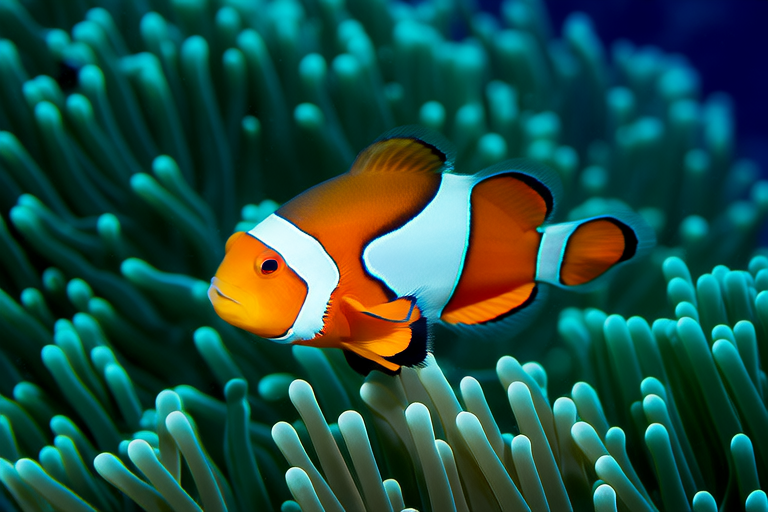
One of the most striking features of clownfish is their vivid coloration. These small, elongated fish typically exhibit a bright orange or yellow body, often adorned with white stripes. The exact pattern can vary depending on the species; some may have three distinct white bars, while others might display more intricate patterns. This striking appearance serves multiple purposes, including camouflage within their anemone homes and warning potential predators of their toxicity.
Symbiotic Relationships with Sea Anemones
The most iconic aspect of clownfish behavior is their symbiotic relationship with sea anemones. Clownfish live among the tentacles of certain anemones, which provide protection from predators due to the stinging cells (nematocysts) that cover the anemone’s surface. In return, clownfish offer several benefits to their host. They clean the anemone by eating leftover food particles and algae, thus reducing the risk of infection. Additionally, their movements help circulate water around the anemone, enhancing its ability to photosynthesize. This mutually beneficial partnership is one of nature’s most remarkable examples of interspecies cooperation.
Habitat Preferences
Clownfish prefer shallow tropical waters, typically found in coral reefs across the Indo-Pacific region. They thrive in environments rich with sea anemones, which serve as both shelter and breeding grounds. While these fish can adapt to various conditions, they generally favor areas with strong currents and ample food sources. Coral reefs offer not only suitable habitats but also a diverse array of prey items, making them ideal locations for clownfish populations.
Dietary Habits
Clownfish are omnivorous, feeding on a variety of foods that include algae, plankton, and small crustaceans. Their diet is well-suited to their reef-dwelling lifestyle, providing them with essential nutrients while minimizing competition for resources. Juvenile clownfish primarily consume plankton, gradually transitioning to larger prey as they mature. This flexible diet allows them to exploit different food sources throughout their lives, contributing to their resilience in changing environmental conditions.
Lesser-Known Traits
Beyond their famous relationship with sea anemones, clownfish possess several lesser-known traits that add to their intrigue. For instance, they exhibit complex communication through body language and sounds. Males perform elaborate courtship dances to attract females, while pairs engage in synchronized swimming patterns to strengthen their bond. Furthermore, clownfish are capable of rapid color changes, adapting their hues based on mood, health status, or social interactions. These subtle variations highlight the sophistication of their sensory systems and social dynamics.
Social Structures Within the Anemone
Within their anemone homes, clownfish form tight-knit family units led by a dominant breeding pair. This hierarchy ensures that only the alpha male and female reproduce, preventing overcrowding and resource depletion. Subordinate males and juveniles assist in maintaining the anemone’s health and defending against intruders. This cooperative living arrangement fosters stability within the group and enhances survival rates for all members.
Breeding Behaviors
Clownfish reproduction is a fascinating process marked by strict gender roles and parental care. Females lay eggs in clusters attached to rocks near the base of their anemone home. Males then fertilize these eggs externally, guarding them until hatching. Both parents remain vigilant during this critical period, fanning the eggs with their fins to ensure proper oxygenation and warding off predators. After approximately seven days, the eggs hatch into larvae, which drift in open waters before settling on suitable reefs.
Adaptations to Marine Environment
To survive in their challenging marine environment, clownfish have developed numerous adaptations. Their slim bodies allow easy movement through coral branches, while their specialized mucus layer protects them from anemone stings. Additionally, clownfish possess excellent vision and hearing, enabling them to navigate their complex underwater world with precision. These adaptations contribute significantly to their success as both predators and prey within the delicate balance of coral reef ecosystems.
Challenges in the Wild
Despite their popularity and adaptability, clownfish face numerous threats in the wild. Habitat destruction, overfishing, and climate change pose significant risks to their survival. Rising ocean temperatures and increased acidity levels threaten the health of coral reefs, which are vital to clownfish populations. Additionally, unsustainable aquarium trade practices have contributed to declines in wild populations. Conservation efforts aimed at protecting these iconic creatures must address these multifaceted challenges to ensure their continued existence.
Conservation Efforts
Various organizations and initiatives are dedicated to preserving clownfish and their habitats. Marine protected areas provide safe havens for these fish, allowing populations to recover and thrive. Sustainable fishing practices and captive breeding programs aim to reduce pressure on wild populations while meeting demand for aquarium specimens. Public education campaigns raise awareness about the importance of protecting marine biodiversity, encouraging responsible consumer choices and supporting conservation projects.
In conclusion, clownfish are captivating creatures with a wealth of unique characteristics and behaviors. From their vibrant coloration and symbiotic relationships with sea anemones to their complex social structures and breeding behaviors, these fish offer endless fascination for those interested in marine life. By understanding the challenges they face and supporting conservation efforts, we can help ensure the survival of these delightful animals for future generations.
