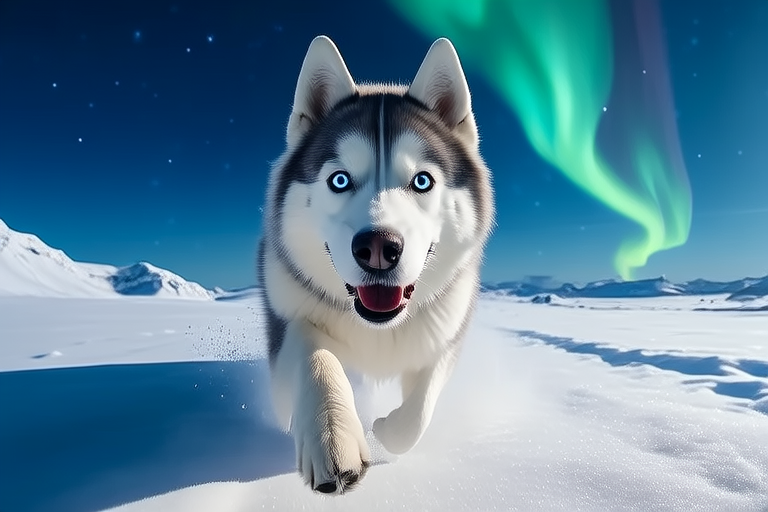
Husky Hustle: The Thrilling World of Siberian Huskies Revealed
Siberian huskies have long captured the hearts of dog lovers around the world with their striking appearance and spirited demeanor. Originating from the icy expanses of Siberia, these dogs were initially bred for sledding, where their endurance and strength made them invaluable to the Chukchi people. Today, Siberian huskies are cherished pets and working dogs, but their history is deeply rooted in the rugged conditions of their homeland.
The Origin and Initial Role
In the frigid landscapes of Siberia, the Chukchi people relied heavily on sleds for transportation. To meet this need, they developed the Siberian husky, a breed known for its resilience and stamina. These dogs were not just companions; they were essential workers, pulling sleds across vast distances and enduring harsh weather conditions. Their ability to maintain a steady pace over long periods made them indispensable in the Chukchi culture. Eventually, Siberian huskies found their way to Alaska during the gold rush era, where they continued to excel as working dogs.
Physical Characteristics
Siberian huskies are easily recognizable thanks to their distinctive blue or multi-colored eyes, thick double coats, and wolf-like appearance. Their medium-sized bodies are well-suited for endurance activities, with strong, muscular legs that enable them to cover large distances efficiently. Their coats come in various colors and patterns, adding to their allure. The double coat, consisting of a soft undercoat and a protective outer layer, keeps them warm in cold climates and provides insulation against heat in warmer temperatures. This unique adaptation allows them to thrive in a wide range of environments.
Temperament and Training Needs
Despite their wild looks, Siberian huskies are generally friendly and affectionate with humans. They are known for their gentle nature and can be great with children when properly socialized. However, their independent streak means they require consistent and patient training. Positive reinforcement techniques work best with this breed, as they respond well to praise and rewards rather than harsh corrections. Early socialization is crucial to ensure they grow up to be well-rounded and confident dogs.
Energy Levels and Exercise Requirements
Siberian huskies are full of energy and require plenty of physical activity to stay happy and healthy. They are natural runners and enjoy long walks, jogs, and opportunities to explore open spaces. Their high energy levels make them unsuitable for sedentary lifestyles or small apartments. Owners must be prepared to dedicate significant time to keeping their huskies active, which can include regular trips to the dog park, hiking, or even organized dog sports like agility courses. Without adequate exercise, huskies may become restless and exhibit destructive behaviors.
Common Health Issues and Dietary Needs
Like all breeds, Siberian huskies are prone to certain health issues. Common concerns include hip dysplasia, eye problems such as cataracts and progressive retinal atrophy, and hypothyroidism. Regular veterinary check-ups and genetic testing can help identify and manage these issues early. Proper nutrition is also vital for maintaining their health. A balanced diet rich in proteins, fats, and carbohydrates is recommended, along with supplements if necessary. Owners should consult with their vet to determine the best diet for their individual husky based on age, activity level, and overall health.
Tips for Potential Owners
Owning a Siberian husky requires commitment and understanding of their unique needs. Here are some tips for potential owners:
- Exercise: Ensure your husky gets at least one hour of vigorous exercise daily. Consider joining a local mushing club or participating in canine sports to keep both you and your dog engaged.
- Grooming: Due to their thick coats, huskies require regular grooming to prevent matting and shedding. Brush them weekly and more frequently during shedding seasons.
- Training: Use positive reinforcement methods and be consistent. Huskies can be stubborn, so patience is key.
- Supervision: Huskies have a strong prey drive and may chase smaller animals. Always supervise them in areas where other pets are present.
Unique Charm and Challenges
The unique charm of Siberian huskies lies in their intelligence, loyalty, and playful nature. They form strong bonds with their families and are always eager to please. However, their independent spirit can sometimes lead to challenges. For instance, huskies are known for their tendency to wander off if given the chance, making it important to keep them on a leash or in a secure enclosure. Their vocal nature also means they can be quite talkative, barking or howling at various stimuli.
One story that highlights the charm of Siberian huskies is that of Balto, a famous sled dog who led his team on a life-saving mission during the 1925 diphtheria outbreak in Nome, Alaska. Balto and his team braved treacherous conditions to deliver急需帮助
