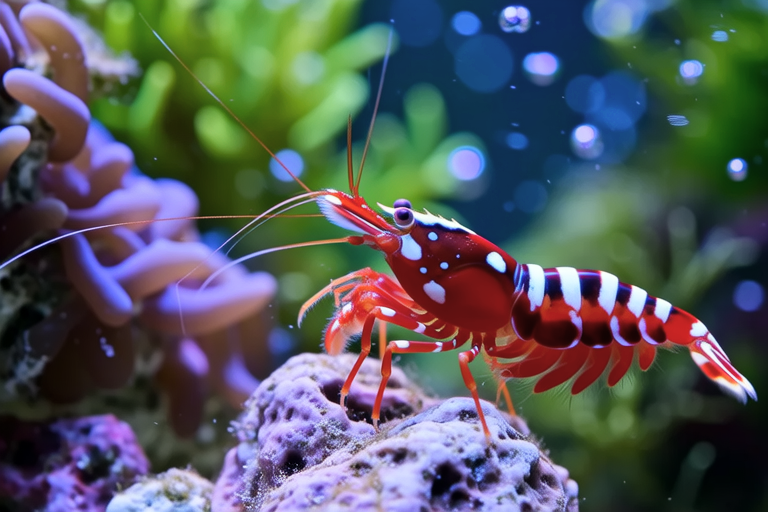
How to Create an Ideal Habitat for Your Colorful Coral Shrimp
Welcome to the world of colorful coral shrimp care! These vibrant creatures can bring a stunning touch of nature to your aquarium. However, to ensure their well-being and longevity, it’s crucial to create an ideal habitat that meets their specific needs. This comprehensive guide will walk you through the essentials of water parameters, tank size, filtration, lighting, substrate, suitable tank mates, feeding, and maintaining optimal water quality. Whether you’re a novice or an experienced aquarist, this article aims to provide you with all the necessary information to create a thriving environment for your colorful coral shrimp.
Understanding the Needs of Colorful Coral Shrimp
Colorful coral shrimp (also known as cleaner shrimp) belong to the genus Lysmata. They are typically found in tropical and subtropical waters, where they play an important role in marine ecosystems by cleaning parasites from other fish. In captivity, these shrimp are popular for their vibrant colors and their ability to help maintain a healthy aquarium ecosystem. To keep them happy and healthy, it’s important to replicate their natural environment as closely as possible.
Water Parameters
The water in which your colorful coral shrimp live must be carefully controlled to ensure their health and longevity. Here are some key water parameters to consider:
- Temperature: Maintain a temperature range between 72°F and 78°F (22°C to 26°C).
- pH: Aim for a pH level between 8.1 and 8.4. This slightly alkaline environment mimics their natural habitat.
- Salinity: The specific gravity should be around 1.023 to 1.025, equivalent to 32 to 35 parts per thousand (ppt) salinity.
- Ammunia: Ammonia levels should be undetectable, as even small amounts can be toxic to shrimp.
- Nitrite: Like ammonia, nitrite should also be undetectable.
- Nitrate: Keep nitrate levels below 20 ppm (parts per million). Higher levels can stress the shrimp and affect their health.
- Calcium: Maintain calcium levels between 400 and 450 ppm. This is essential for the shrimp’s exoskeleton development.
Tank Size
When setting up an aquarium for colorful coral shrimp, the size of the tank plays a crucial role in providing adequate space and ensuring proper water conditions. A minimum tank size of 20 gallons is recommended for a single pair of shrimp, but larger tanks are preferable to accommodate more shrimp and offer a more stable environment. A bigger tank allows for better water circulation and dilution of waste products, reducing the risk of harmful concentrations of toxins.
Filtration
Effective filtration is essential for maintaining water quality and keeping ammonia, nitrite, and nitrate levels in check. Choose a filter that suits the size of your tank and provides mechanical, biological, and chemical filtration. Mechanical filtration helps remove large particles, while biological filtration supports beneficial bacteria that convert harmful compounds into less toxic ones. Chemical filtration can be used to absorb dissolved organic compounds and medications.
It’s important to avoid filters with strong water currents, as they can stress the shrimp. Instead, opt for gentle flow rates that allow the shrimp to move freely without being swept away. Sponge filters are particularly well-suited for shrimp tanks due to their gentle flow and ability to support beneficial bacteria.
Lighting
Proper lighting is vital for simulating natural daylight cycles and promoting the growth of algae and microorganisms that serve as food sources for the shrimp. Use full-spectrum LED lights that provide a balanced spectrum of light, including blue and white wavelengths. Aim for 8 to 10 hours of light per day, followed by darkness to mimic a natural day-night cycle.
Be cautious when introducing new lighting systems, as sudden changes in light intensity can stress the shrimp. Gradually adjust the lighting over several days to allow the shrimp to acclimate.
Substrate
The choice of substrate can significantly impact the health and behavior of colorful coral shrimp. Fine sand or crushed coral are excellent choices, as they provide a soft surface for the shrimp to burrow and graze. Avoid sharp or abrasive substrates that could injure the shrimp’s delicate exoskeleton. Additionally, a layer of live rock can offer hiding spots and promote the growth of beneficial bacteria and algae.
Suitable Tank Mates
Choosing the right tank mates is crucial to maintaining a harmonious aquarium environment. Colorful coral shrimp are generally peaceful and compatible with many species of fish, provided they are not aggressive or predatory. Suitable tank mates include:
- Small, non-aggressive fish such as cardinal tetras, neon tetras, and harlequin rasboras.
- Invertebrates like hermit crabs and starfish, as long as they do not compete for food or space.
- Other peaceful shrimp species, such as peppermint shrimp or fire shrimp, as long as there is sufficient space and hiding places.
Avoid housing colorful coral shrimp with aggressive or territorial fish, such as clownfish, lionfish, or triggerfish. Additionally, refrain from keeping them with snails that may outcompete them for food or introduce parasites.
Feeding
Colorful coral shrimp are omnivorous, meaning they consume both plant and animal matter. In the wild, they feed on algae, detritus, and small organisms. In captivity, you can provide a balanced diet that includes:
- Algae wafers or sheets designed for bottom-dwelling species.
- Dried seaweed or nori.
- High-quality flake or pellet food formulated for saltwater aquariums.
- Live or frozen foods such as brine shrimp, daphnia, and mysis shrimp.
Feed your shrimp once or twice daily, offering only what they can consume within a few minutes to prevent excess food from polluting the water. Monitor their eating habits and adjust the quantity accordingly. Overfeeding can lead to poor water quality and stress the shrimp.
Maintaining Optimal Water Quality
To maintain optimal water quality, regular maintenance is essential. Perform weekly water changes of about 10% to 20% of the total volume. During water changes, ensure that the replacement water is treated with a dechlorinator and matches the existing tank parameters in terms of temperature, salinity, and pH.
Additionally, monitor water parameters regularly using test kits. Address any deviations promptly to prevent stress or illness in your shrimp. Regular cleaning of the tank and equipment, along with proper filtration, will help maintain a clean and healthy environment.
Conclusion
Creating an ideal habitat for your colorful coral shrimp involves attention to detail and careful consideration of their specific needs. By focusing on water parameters, tank size, filtration, lighting, substrate, suitable tank mates, feeding, and maintaining optimal water quality, you can provide your shrimp with a thriving environment. With patience and dedication, you’ll enjoy the beauty and benefits of these fascinating creatures in your aquarium for years to come.
