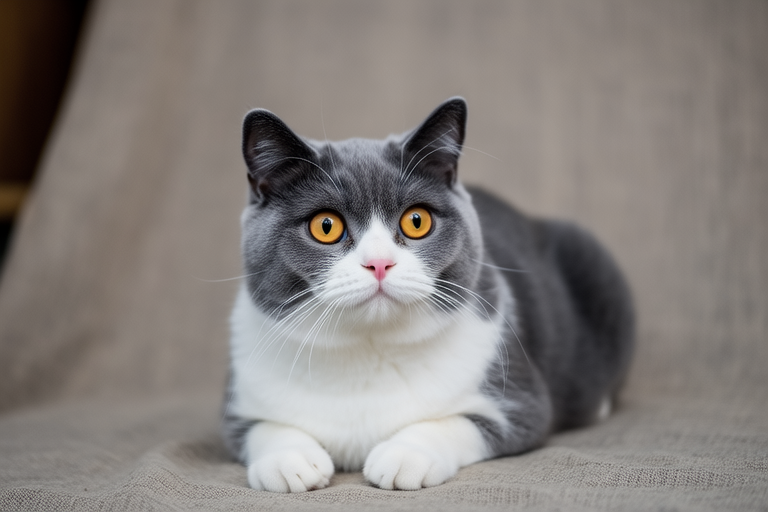
The Unique Charm of Munchkin Cats
Munchkin cats are a breed that has captured the hearts of many cat lovers with their distinctive short legs and large personalities. These adorable felines have an interesting origin story, unique health considerations, and delightful behaviors that set them apart from other cat breeds. In this article, we will explore the history, physical attributes, and lifestyle of Munchkin cats, as well as provide insights into their care requirements.
Origins of Munchkin Cats
The Munchkin cat was first discovered in the United States in the late 20th century. The breed’s name comes from the characters in “The Wizard of Oz,” who were known for their diminutive stature. A spontaneous genetic mutation resulted in a cat with abnormally short legs. This genetic trait was then selectively bred, leading to the development of the Munchkin breed. Despite their relatively recent emergence, Munchkins have quickly become popular among cat enthusiasts due to their charming appearance and endearing personalities.
Physical Characteristics
One of the most striking features of Munchkin cats is their short legs, which can range from slightly shorter than average to extremely short. Their bodies are proportionate, giving them a distinctively low-slung appearance. The Munchkin’s short legs are caused by a dominant gene, which means that if one parent carries the gene, there is a high chance of offspring inheriting it. The breed comes in various coat lengths and colors, making them visually diverse and appealing.
Big Personalities
Besides their physical uniqueness, Munchkin cats are known for their large personalities. They are often described as curious, playful, and affectionate. Unlike some other cat breeds, Munchkins are not overly independent and tend to form strong bonds with their human companions. They enjoy interacting with people and are known to follow their owners around the house, seeking attention and companionship. Their playful nature means they are always ready for games, whether it’s chasing toys or engaging in interactive play with their humans.
Health Considerations
While Munchkin cats are generally healthy, their unique physical characteristic – short legs – does come with some potential health concerns. One of the primary issues is lordosis, a condition where the spine curves inward excessively. Another concern is pectus excavatum, a deformity of the chest wall. Additionally, these cats may be prone to spinal injuries due to their low center of gravity. However, with proper care and regular veterinary check-ups, these risks can be managed effectively.
Behavioral Traits
Munchkin cats are active and curious, often exploring their surroundings with great enthusiasm. Despite their short legs, they are surprisingly agile and can jump to impressive heights. They are known for their intelligence and problem-solving skills, often finding creative ways to reach their desired destinations. Munchkins also exhibit a wide range of vocalizations, from soft purrs to more assertive meows. They are social creatures that thrive in environments where they receive plenty of attention and interaction.
Comparison with Other Cat Breeds
When compared to other cat breeds, Munchkin cats stand out due to their unique combination of short legs and large personalities. For instance, while breeds like Siamese cats are known for their vocal nature, Munchkins combine this trait with a playful and affectionate demeanor. Similarly, while Persian cats are recognized for their long, luxurious coats, Munchkins offer a different kind of charm with their short legs and varied coat types. The Munchkin’s adaptability and friendly nature also make them stand out from more aloof breeds like the Russian Blue.
Care Requirements
Due to their physical characteristics, Munchkin cats require specific care to ensure their health and happiness. Regular veterinary check-ups are essential to monitor any potential spinal or skeletal issues. Providing a safe environment that accommodates their short legs is crucial. This might include using ramps or steps to help them reach higher surfaces, such as windowsills or shelves. Additionally, engaging them in appropriate exercise and play can help maintain their physical fitness and mental stimulation.
Lifestyle Influence
The short legs of Munchkin cats influence their lifestyle in several ways. While they may not be able to jump as high as other cats, they are still capable of climbing and reaching many places. Their agility allows them to navigate their environment with ease, and they often find inventive ways to access elevated areas. Their playful nature ensures they remain active, even with their limited jumping ability. Munchkins are adaptable and can thrive in various living situations, from apartments to larger homes, as long as they receive adequate attention and interaction.
Why Munchkin Cats Make Great Pets
Munchkin cats are wonderful companions for those looking for a pet that combines charm, intelligence, and affection. Their large personalities and playful nature make them delightful to interact with, and their adaptability ensures they can fit into various lifestyles. Whether you’re an experienced cat owner or new to pet ownership, a Munchkin cat can bring joy and companionship to your home. Their unique appearance and friendly demeanor make them stand out among other cat breeds, offering a distinctive addition to any family.
Conclusion
Munchkin cats are a breed that captivates hearts with their short legs and large personalities. From their origins to their health considerations and behavioral traits, these felines offer a unique experience for cat lovers. With proper care and attention, Munchkin cats can lead happy, healthy lives, bringing joy and companionship to their human families. If you’re considering adopting a cat, the Munchkin’s distinctive charm and engaging personality make them a fantastic choice.
