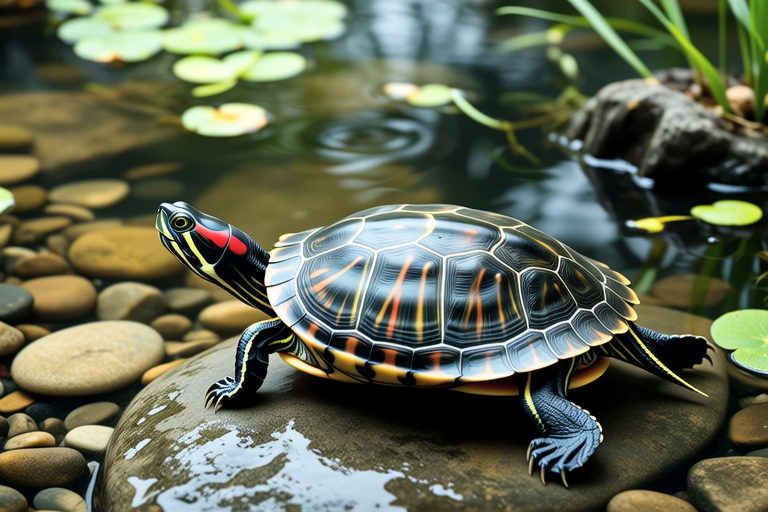
5 Secrets to Keeping Your Red-eared Slider Healthy and Happy
Red-eared sliders (Trachemys scripta elegans) are one of the most popular aquatic turtle species kept as pets worldwide. Their striking appearance, combined with relatively low maintenance requirements, makes them appealing to both novice and experienced reptile enthusiasts. These semi-aquatic turtles originate from the southern United States and northern Mexico but have been introduced to various parts of the globe due to the pet trade. Despite their widespread adoption, many new owners may be unaware of the specific care needs that ensure these turtles lead long, healthy lives. In this article, we will explore five essential secrets to keeping your red-eared slider healthy and happy.
1) Optimal Habitat Setup
The first secret to keeping your red-eared slider healthy is providing an optimal habitat setup. A well-designed enclosure mimics their natural environment and ensures they thrive both physically and psychologically. The ideal tank size for a single adult red-eared slider is at least 40 gallons, increasing by approximately 10 gallons per additional turtle. This spacious arrangement allows ample room for swimming and diving, which is crucial for their physical fitness.
Water quality is paramount; therefore, invest in a reliable filtration system capable of handling the tank’s volume effectively. Regular water changes—aiming for 25% weekly—are also necessary to maintain cleanliness and prevent harmful bacteria buildup. Additionally, incorporate a basking area where your turtle can dry off completely after swimming. This platform should be large enough to accommodate your turtle comfortably and made of materials that won’t deteriorate when submerged.
A common mistake among new owners is underestimating the importance of proper filtration or neglecting regular water changes. Poor water quality can lead to respiratory infections and other health issues. To avoid these pitfalls, always check that your filter is appropriate for the tank size and monitor its performance regularly. Similarly, establish a routine for water changes and stick to it diligently.
2) Balanced Diet
The second secret lies in offering a balanced diet rich in nutrients essential for your red-eared slider’s growth and overall health. A varied diet consisting of commercial turtle pellets, fresh vegetables, and occasional live or frozen prey items forms the cornerstone of a nutritious feeding plan. Commercial pellets should make up about 60% of their diet, ensuring they receive adequate protein and vitamins. Supplement this with leafy greens like romaine lettuce, collard greens, and dandelion leaves, which provide necessary fiber and minerals.
Incorporating protein sources such as earthworms, crickets, or freeze-dried shrimp once or twice a week helps meet their dietary protein requirements. However, it’s important not to overfeed them, as obesity is a prevalent issue among captive red-eared sliders. Feed young turtles daily, while adults should eat every two to three days. Overfeeding can lead to excessive weight gain and associated health problems, including fatty liver disease.
Another common error is feeding inappropriate foods, such as iceberg lettuce, which lacks nutritional value, or feeding too frequently without considering portion control. Always research what constitutes a safe and balanced diet for your turtle and adhere strictly to recommended feeding schedules. By doing so, you help prevent nutritional deficiencies and promote longevity.
3) Proper Basking and UV Lighting
The third secret involves ensuring proper basking and UV lighting conditions within their habitat. Red-eared sliders require access to both water and land areas to regulate their body temperature and perform vital biological functions. The basking area must be equipped with a heat lamp providing temperatures between 85°F and 95°F (29°C to 35°C). This warmth encourages digestion, metabolism, and immune system function.
UVB lighting is equally critical, facilitating vitamin D3 synthesis needed for calcium absorption and bone health. Use full-spectrum UVB bulbs designed specifically for reptiles, replacing them every six months even if they appear functional. Position the light source above the basking area, ensuring it reaches the entire surface. Provide a gradient of temperatures within the enclosure so your turtle can move between warmer and cooler spots according to its needs.
A frequent oversight is failing to replace UVB bulbs promptly, leading to inadequate vitamin D3 production and potential metabolic bone diseases. Always check the manufacturer’s recommendations regarding bulb replacement intervals and follow them closely. Furthermore, ensure that the basking area remains free from obstructions that could block the light path, maintaining optimal exposure for your turtle.
4) Regular Health Checks
The fourth secret revolves around conducting regular health checks to catch any developing issues early. Observing your turtle daily allows you to notice subtle changes in behavior, appetite, or physical condition. Signs of distress include lethargy, floating upside down, difficulty moving limbs, or abnormal skin coloration. Addressing these symptoms promptly can prevent minor problems from escalating into serious health crises.
Consult with a veterinarian specializing in reptiles for annual check-ups and vaccinations. During these visits, vets can perform comprehensive examinations, administer necessary treatments, and offer personalized advice tailored to your turtle’s unique needs. Establishing a relationship with a trusted veterinary professional ensures timely intervention should complications arise.
New owners sometimes underestimate the importance of preventive healthcare, delaying necessary medical attention until symptoms become severe. Remember that proactive monitoring and timely veterinary care significantly improve outcomes and contribute to your turtle’s wellbeing. Don’t hesitate to reach out to a specialist whenever you observe unusual behaviors or physical signs.
5) Social and Environmental Stimulation
The final secret pertains to social interaction and environmental enrichment, which are often overlooked yet vital components of turtle welfare. While red-eared sliders are generally solitary creatures, they still benefit from gentle handling and interaction with their human caregivers. Spend time interacting with your turtle through supervised play sessions outside of the tank, fostering a bond based on trust and affection.
Create an enriching environment by introducing novel objects periodically, such as floating toys or rearranging decorations within the tank. These changes stimulate curiosity and encourage exploration, preventing boredom and promoting mental acuity. Providing opportunities for exercise and mental engagement contributes positively to their psychological health.
A typical misstep here might involve ignoring the need for social interaction altogether, leading to behavioral issues or reduced vitality. Encourage positive interactions gradually, respecting your turtle’s boundaries and comfort levels. Over time, consistent effort yields healthier, happier pets.
Conclusion
By adhering to these five secrets—optimal habitat setup, balanced diet, proper basking and UV lighting, regular health checks, and social/environmental stimulation—you can ensure your red-eared slider enjoys a fulfilling life filled with good health and happiness. Remember, responsible pet ownership requires dedication and continuous learning. For further guidance, consider joining online forums dedicated to turtle care, subscribing to reputable magazines focused on reptile husbandry, or attending local workshops hosted by experienced keepers.
