Adventures in ArachnoWorld: A Day in the Life of a Tarantula Owner
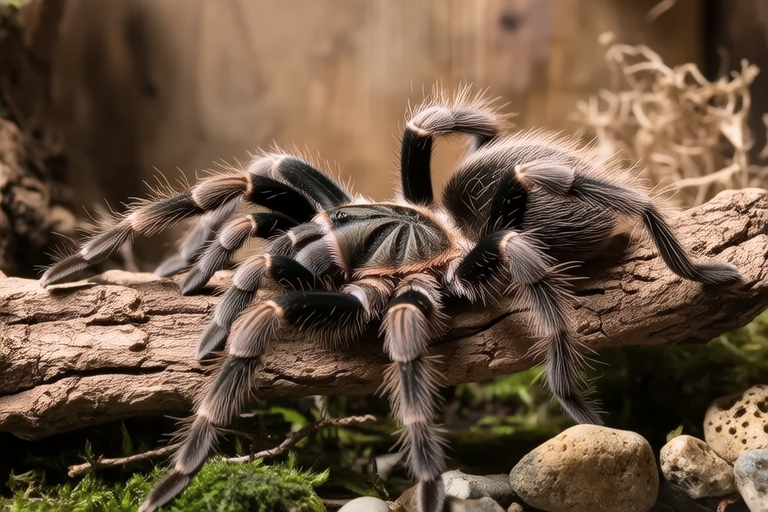
Welcome to the fascinating world of tarantulas! These eight-legged wonders have captivated the hearts of many pet enthusiasts with their unique characteristics and low-maintenance nature. Contrary to popular belief, tarantulas are not aggressive creatures; rather, they are gentle giants that can provide hours of entertainment and education. Their docile demeanor and intriguing behaviors make them excellent pets for those who appreciate the beauty of nature’s lesser-known creatures.
The Morning Routine: Feeding and Cleaning
Each day begins with a routine that ensures your tarantula is well-fed and its living space is clean. The first task is feeding. Depending on the species, tarantulas may consume insects like crickets or mealworms. It’s essential to offer appropriately sized prey to avoid overfeeding. Once the prey is introduced into the enclosure, it’s time to observe as the tarantula uses its impressive speed and agility to capture its meal.
After feeding, the next step is cleaning the enclosure. This involves removing any uneaten food and ensuring the substrate is fresh. A layer of coconut fiber or peat moss provides a natural environment that mimics the tarantula’s native habitat. Regular cleaning helps maintain optimal humidity levels, which are crucial for the tarantula’s health. It’s important to use gloves when handling the substrate to avoid disturbing the tarantula during this process.
Observing Behavior Throughout the Day
Throughout the day, tarantulas display a variety of fascinating behaviors. One of the most captivating sights is the way they move. Despite their size, tarantulas can be surprisingly agile, often climbing up the sides of their enclosures or moving swiftly across the substrate. They may also engage in web-building activities, spinning intricate webs that serve both as shelter and protection against predators.
Another interesting behavior to watch is molting. During this process, the tarantula sheds its exoskeleton to reveal a new, larger one underneath. Molting is a delicate time for tarantulas, and owners must ensure the enclosure is kept at the appropriate temperature and humidity levels to support this natural process. Observing molting can be both educational and awe-inspiring, offering a glimpse into the tarantula’s life cycle.
Afternoon Maintenance: Checking Humidity and Temperature
In the afternoon,例行的维护工作is crucial to maintaining the ideal living conditions for your tarantula. This includes checking the humidity and temperature levels within the enclosure. Tarantulas thrive in environments with specific humidity ranges, typically between 60% and 80%. Using a hygrometer, you can monitor these levels and adjust as necessary by adding water to the substrate or using a misting bottle.
Temperature control is equally important. Most tarantulas prefer temperatures between 75°F and 85°F (24°C to 29°C). A thermometer placed inside the enclosure allows you to keep track of the temperature and make adjustments using heating pads or under-tank heaters if needed. Ensuring the correct temperature and humidity levels promotes the tarantula’s overall health and well-being.
During this time, you may also choose to interact with your tarantula. While tarantulas are generally not interactive pets in the traditional sense, some species can become accustomed to gentle handling. With patience and care, you can develop a bond with your pet, allowing for brief interactions that can be both rewarding and educational.
Evening Routines: Ensuring Safety and Comfort
As evening approaches, it’s time to ensure your tarantula is safe and comfortable for the night. This involves checking the enclosure once more to ensure all doors and lids are securely fastened. Tarantulas are skilled climbers, so it’s essential to prevent any escape attempts. Additionally, you should check for any signs of distress, such as unusual movements or changes in behavior.
Creating a cozy sleeping environment is also important. Many tarantulas prefer hiding spots, such as cork bark or half logs, where they can retreat and feel secure. By providing these hiding spots, you help your tarantula feel safe and comfortable, promoting restful sleep. As you prepare for bed, take a moment to admire your pet’s unique beauty and the tranquility of its enclosure.
Conclusion: A Unique Pet Experience
Living with a tarantula offers a unique and rewarding experience that fosters a deep appreciation for these incredible creatures. Owning a tarantula requires commitment and responsibility, but the rewards are immeasurable. From the excitement of observing daily behaviors to the satisfaction of providing a nurturing environment, each day brings new opportunities to learn and grow alongside your pet.
For those who are passionate about exotic pets and the natural world, tarantulas provide a window into a fascinating and often misunderstood world. By choosing to share your home with a tarantula, you become part of a community of dedicated enthusiasts who are committed to promoting understanding and respect for these amazing creatures. Embrace the adventure of ArachnoWorld, and discover the joy of caring for one of nature’s most intriguing inhabitants.
