The Ultimate Guide to Chinchilla Care: Tips for Happy and Healthy Pets
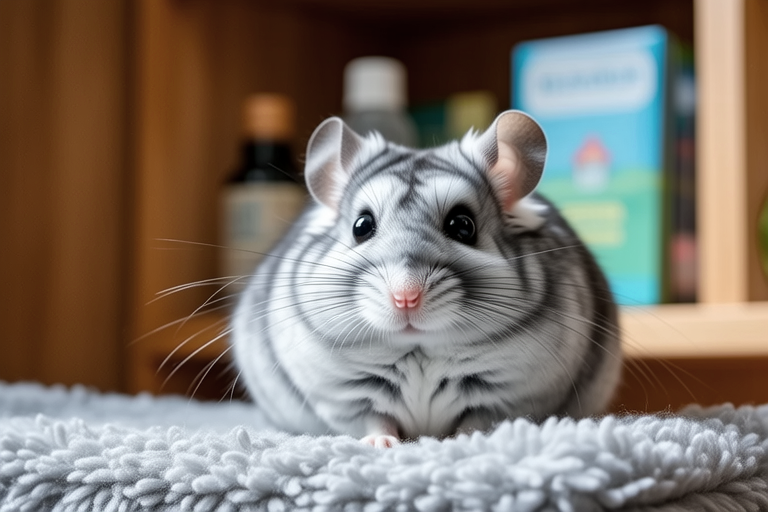
Chinchillas are small, fluffy rodents that have captured the hearts of many pet owners with their playful nature and unique appearance. However, caring for these adorable creatures requires dedication and knowledge. This comprehensive guide will provide you with all the essential information you need to ensure your chinchilla leads a happy and healthy life.
Diet: Fueling Your Chinchilla’s Energy
Providing the right diet is crucial for maintaining your chinchilla’s health. A balanced diet should primarily consist of high-quality chinchilla pellets, which are specifically formulated to meet their nutritional needs. These pellets should make up about 80% of their daily intake. Additionally, hay, such as Timothy hay, should be available at all times. Hay aids digestion and keeps teeth worn down, preventing overgrowth.
Supplement their diet with fresh vegetables like carrots, broccoli, and bell peppers, but offer them sparingly, as they can cause digestive upset if overfed. Avoid feeding fruits, as they are high in sugar and can lead to obesity or dental problems. Always introduce new foods gradually to prevent stomach upset. Fresh, clean water must be provided at all times in a heavy-bottomed bottle to prevent tipping.
Habitat Setup: Creating a Comfortable Home
A well-designed habitat is key to your chinchilla’s happiness. Chinchillas are active animals that require ample space to move around comfortably. A wire cage with multiple levels is ideal, allowing your pet to explore and play. The cage should be at least 3 feet wide, 2 feet deep, and 2 feet tall for one chinchilla, with additional space for each additional chinchilla. Line the bottom of the cage with fleece or paper-based bedding, avoiding pine or cedar shavings, which can irritate their respiratory system.
Ensure the cage has adequate ventilation to maintain proper airflow, as chinchillas are sensitive to heat and humidity. Place the cage away from direct sunlight and drafts, as extreme temperatures can be dangerous for these desert-dwelling animals. Providing hiding spots, such as tunnels or wooden boxes, will give your chinchilla a sense of security. Toys like chew sticks, ladders, and tunnels will keep them mentally stimulated and physically active.
Grooming Needs: Keeping Your Chinchilla Clean
Chinchillas have incredibly dense fur that requires special care. Unlike other pets, they cannot bathe in water due to the risk of fungal infections. Instead, they take dust baths, which help remove dirt and excess oils from their fur. Use chinchilla dust, which is fine volcanic ash, and place it in a shallow dish or dust bath box. Allow your chinchilla to roll around in the dust for 10-15 minutes, two to three times a week. Afterward, remove any leftover dust and clean the container thoroughly.
In addition to dust bathing, regular nail trimming is necessary to prevent overgrown nails. Use a specialized chinchilla nail clipper and be cautious not to cut into the quick, which contains blood vessels. If you’re unsure, consult a veterinarian or a professional groomer. Regular tooth brushing can also help maintain dental health, preventing overgrowth and ensuring proper digestion. Use a soft-bristled toothbrush and a pet-safe toothpaste designed for rodents.
Exercise Requirements: Keeping Your Chinchilla Active
Chinchillas are naturally curious and active animals that need regular exercise to stay healthy. In addition to providing toys and a multi-level cage, consider setting up a safe exercise area outside the cage. A secure room or large enclosed area allows your chinchilla to run, jump, and explore. Always supervise your chinchilla during playtime to prevent accidents.
Provide ramps and tunnels within the cage to encourage climbing and jumping. Rotate toys periodically to keep your chinchilla engaged and prevent boredom. Exercise is crucial for maintaining muscle tone, preventing obesity, and promoting mental stimulation. Regular activity also helps reduce stress and anxiety, contributing to overall well-being.
Common Health Issues: Early Detection and Prevention
Like all pets, chinchillas are susceptible to certain health issues. Recognizing the signs early can help you address problems before they become serious. Overgrown teeth, known as malocclusion, can cause pain and difficulty eating. Regular check-ups with a veterinarian can help catch this issue early. Symptoms include drooling, weight loss, and difficulty chewing.
Respiratory infections can occur if the cage is too humid or dirty. Signs include sneezing, discharge from the nose or eyes, and lethargy. Keep the cage clean and dry, and avoid overcrowding. Gastrointestinal issues, such as bloat or diarrhea, can result from poor diet or stress. Offer a balanced diet, and monitor your chinchilla’s eating habits closely. If you notice any changes in behavior or physical appearance, consult a veterinarian immediately.
Tips for Social Interaction: Building a Bond with Your Chinchilla
Chinchillas are generally shy and may take time to trust their owners. Patience and consistency are key when building a bond. Start by placing your hand in the cage and letting your chinchilla approach you at its own pace. Offer treats like raisins or pellets to create positive associations. Gradually increase handling sessions, being gentle and reassuring throughout.
Spending time with your chinchilla each day will strengthen your bond and help them feel more comfortable in your presence. Talk to them softly and use a calm, soothing voice. Some chinchillas enjoy being petted along the back and sides, while others prefer to be left alone. Pay attention to your chinchilla’s body language to understand its preferences and boundaries.
It’s important to note that chinchillas are social animals and thrive in pairs. If possible, consider adopting a second chinchilla to provide companionship. Introduce them slowly under supervision to ensure compatibility. Two chinchillas can share the same cage, providing each other with social interaction and entertainment.
Conclusion: A Commitment to Chinchilla Well-being
Caring for a chinchilla is a rewarding experience, but it comes with responsibilities. By following the guidelines outlined in this ultimate guide, you can ensure your chinchilla lives a long, healthy, and happy life. Remember to provide a balanced diet, a comfortable habitat, proper grooming, regular exercise, and attentive care. With love, patience, and dedication, you’ll build a strong bond with your chinchilla and enjoy many years of companionship.
