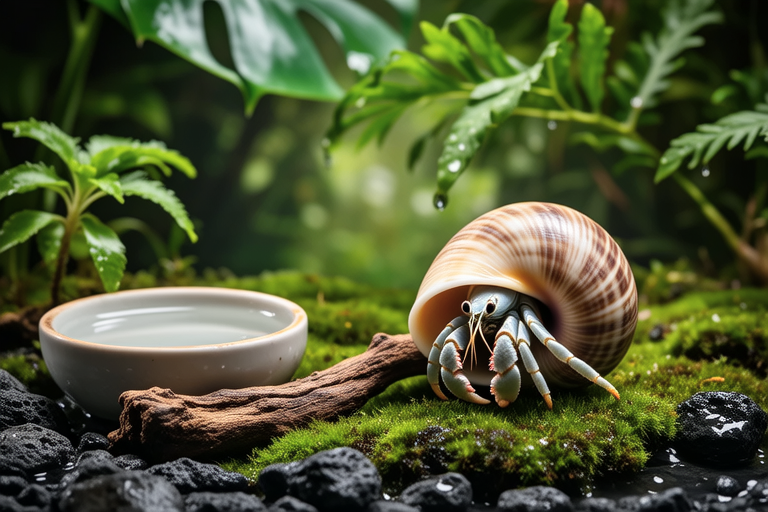
How to Create the Perfect Home for Your Shy Hermit Crab Companion
Welcome to the wonderful world of hermit crabs! These fascinating creatures can make delightful companions for those who appreciate gentle, low-maintenance pets. However, their shy nature requires a special touch when it comes to setting up their home and ensuring they thrive. This guide will walk you through everything you need to know about creating the perfect habitat for your hermit crab, from choosing the right tank size to providing the ideal diet.
Selecting the Right Tank Size
The first step in creating a suitable home for your hermit crab is selecting an appropriately sized tank. While hermit crabs are small, they are quite active and require ample space to move around comfortably. A general rule of thumb is to provide at least one gallon of tank space per hermit crab, but if you’re planning on housing multiple crabs, aim for a larger enclosure to accommodate their needs. A 10-gallon tank is typically sufficient for two or three hermit crabs, but for larger groups, consider a 20-gallon or even a 30-gallon tank.
Optimal Temperature and Humidity Levels
Hermit crabs are tropical creatures that thrive in warm, humid environments. Maintaining the correct temperature and humidity levels is crucial for their health and well-being. The ideal temperature range for hermit crabs is between 75°F and 85°F (24°C to 29°C). You can achieve this by using a heat lamp or under-tank heater, ensuring the temperature remains consistent throughout the day. Additionally, hermit crabs require high humidity levels, preferably between 70% and 80%. To maintain this, mist the tank regularly with distilled water, or use a hygrometer to monitor the humidity and adjust as necessary.
Choosing the Right Substrate Materials
The substrate, or bedding material, plays a vital role in providing a comfortable and safe environment for your hermit crabs. It’s important to choose a substrate that mimics their natural habitat and allows for burrowing. Coconut fiber, also known as eco-earth, is an excellent choice because it retains moisture well and provides a soft, natural texture. Other suitable substrates include play sand (not beach sand) and calcium-rich crushed coral. Avoid using gravel, wood chips, or other materials that could harm your hermit crabs if ingested.
Safe Decorations for Climbing and Hiding
Providing plenty of hiding spots and climbing opportunities is essential for the mental and physical well-being of your hermit crabs. In their natural environment, hermit crabs spend much of their time hiding in crevices or climbing on rocks. Replicate this in their tank by adding various safe decorations such as driftwood, cork bark, and smooth stones. Ensure all decorations are securely anchored to prevent tipping or falling, which could injure the crabs. Additionally, offer a variety of shells for your hermit crabs to explore and potentially exchange. Provide shells slightly larger than the current ones they inhabit, allowing them to grow and change as needed.
Recommended Tank Mates
While hermit crabs can live happily alone, they often benefit from the company of others of their kind. However, it’s important to introduce tank mates carefully to avoid aggression. If you decide to house multiple hermit crabs together, ensure they have enough space and resources to coexist peacefully. Provide ample hiding spots and food sources to minimize competition. Some owners also keep hermit crabs with small fish or aquatic snails, but always research compatibility thoroughly before introducing different species into the same tank.
Dietary Requirements
Feeding your hermit crabs a balanced diet is key to keeping them healthy and active. In the wild, hermit crabs are omnivores, feeding on a variety of plant matter, algae, and small invertebrates. In captivity, you can replicate this diet by offering a mix of fruits, vegetables, and protein sources. Suitable foods include chopped fruits like apples, bananas, and berries; leafy greens such as spinach and kale; and occasional treats like boiled eggs, shrimp, or fish. Always ensure any food items are fresh and free from pesticides or harmful additives. Additionally, provide a calcium source, such as cuttlebone or crushed eggshells, to support shell growth and maintenance.
Creating a Stress-Free Environment
One of the most important aspects of hermit crab care is creating a stress-free environment. Hermit crabs are naturally shy and easily stressed by sudden movements or loud noises. When handling your hermit crabs, approach them slowly and gently, allowing them time to acclimate to your presence. Use a wide, shallow container to transfer them between their tank and your hand, minimizing the risk of injury. Avoid handling them excessively, as frequent disturbances can lead to stress-related health issues. Instead, observe them from a distance, enjoying their natural behaviors without interference.
Tips for Handling and Interacting Gently
When it comes to interacting with your hermit crabs, less is more. Resist the urge to pick them up and hold them for extended periods, as this can cause unnecessary stress. Instead, engage with them by providing enrichment activities, such as introducing new toys or rearranging the tank layout periodically. Encourage exploration and play by offering varied substrates and decorations that stimulate their curiosity. Remember, hermit crabs are nocturnal creatures, so they may be more active during the evening hours. Adjust your interaction schedule accordingly to respect their natural rhythms.
Resources for Further Learning
Becoming an expert hermit crab owner takes time and dedication. Fortunately, there are many resources available to help you along the way. Books, online forums, and local pet stores can provide valuable information and advice tailored to your specific situation. Joining a community of fellow hermit crab enthusiasts can also be beneficial, offering support and guidance as you navigate the challenges of caring for these unique pets. Don’t hesitate to reach out for help when needed, and always strive to learn more about the fascinating world of hermit crabs.
By following the guidelines outlined in this article, you’ll be well on your way to creating a perfect home for your shy hermit crab companion. With patience, care, and attention to detail, you can ensure your hermit crabs lead happy, healthy lives in their new environment. Enjoy the rewarding experience of sharing your space with these captivating creatures!
