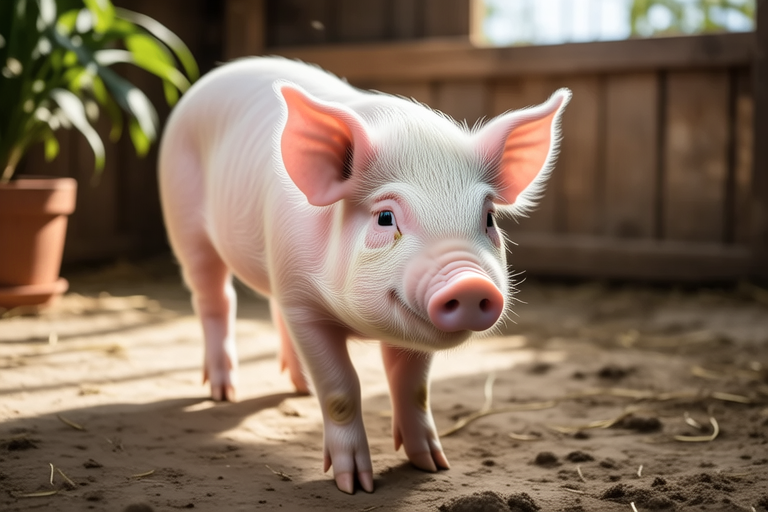
The Ultimate Guide to Mini Pig Care: Tips for New and Future Owners
Welcome to your comprehensive guide on mini pig care! Owning a mini pig can be a rewarding experience, but it requires dedication and knowledge to ensure they live a healthy and happy life. This guide covers essential topics from diet and housing to grooming and training, helping you prepare for this unique pet.
Mini Pig Diet Requirements
Proper nutrition is crucial for mini pigs. Their diet should consist of high-quality commercial pig pellets, vegetables, fruits, and limited amounts of grains. Avoid feeding them processed human foods or sugary treats. A balanced diet supports their growth and prevents obesity. For instance, carrots and apples make great occasional snacks, but should be given sparingly. Always consult with a veterinarian before making any dietary changes.
Housing and Living Space Recommendations
Adequate housing ensures your mini pig feels safe and comfortable. Provide a spacious indoor pen or outdoor enclosure with a shelter. The area should have soft bedding like straw or hay, and be cleaned regularly to maintain hygiene. Mini pigs need space to explore and play; consider adding toys or tunnels. Remember, they’re intelligent creatures that thrive when mentally stimulated.
Grooming Needs
Grooming is vital for your mini pig’s health. Regular brushing helps remove loose hair and dirt, preventing skin issues. Use a soft bristle brush or a rubber curry comb. Bathing should be infrequent—once every few months—to avoid stripping natural oils from their skin. Trim their nails regularly, as overgrown nails can cause discomfort and mobility issues. Check ears and eyes daily for signs of infection or irritation.
Health Care Essentials
Regular veterinary check-ups are necessary for maintaining your mini pig’s health. Vaccinations, parasite control, and dental care are important aspects of preventive medicine. Early detection of potential health problems through routine examinations can prevent serious illnesses. Be vigilant about unusual behaviors or symptoms such as lethargy, loss of appetite, or changes in bowel movements. Prompt attention to these signs can save lives.
Training Techniques
Training mini pigs requires patience and positive reinforcement. Start by teaching basic commands like ‘sit’ or ‘come.’ Use treats as rewards during training sessions to encourage good behavior. Consistency is key; practice regularly but keep sessions short to maintain their interest. For example, you could train your pig to come when called by associating the command with receiving a treat. This builds trust and strengthens your bond.
Behavioral Insights
Understanding mini pig behavior is essential for successful cohabitation. They are social animals that enjoy companionship, so consider adopting two if possible. Mini pigs can exhibit territorial behavior, especially towards other pets. Early socialization helps them adjust to different environments and interactions. Providing mental stimulation through puzzles or foraging toys can reduce destructive behaviors caused by boredom.
Common Myths Debunked
Several misconceptions surround mini pig ownership. One common myth is that mini pigs don’t grow much past infancy. In reality, they can reach weights between 50 to 150 pounds depending on breed and genetics. Another misconception is that mini pigs require less maintenance than larger breeds. While smaller in size, their care needs are similar, including proper nutrition, exercise, and social interaction.
Commitment Required for Mini Pig Ownership
Owning a mini pig demands significant commitment. They have long lifespans, often exceeding 15 years, requiring lifelong care. Financial considerations include food, vet bills, and supplies. Emotional investment is equally important; mini pigs form strong bonds with their owners. Before committing, research thoroughly and ensure you’re prepared for the responsibility.
Resources for Further Learning
To deepen your understanding of mini pig care, consider joining local clubs or online forums dedicated to pig enthusiasts. Books and articles written by experts offer valuable insights into specific care practices. Local animal shelters may also provide resources and support networks for new owners. Engaging with experienced pig owners can help address concerns and share experiences.
