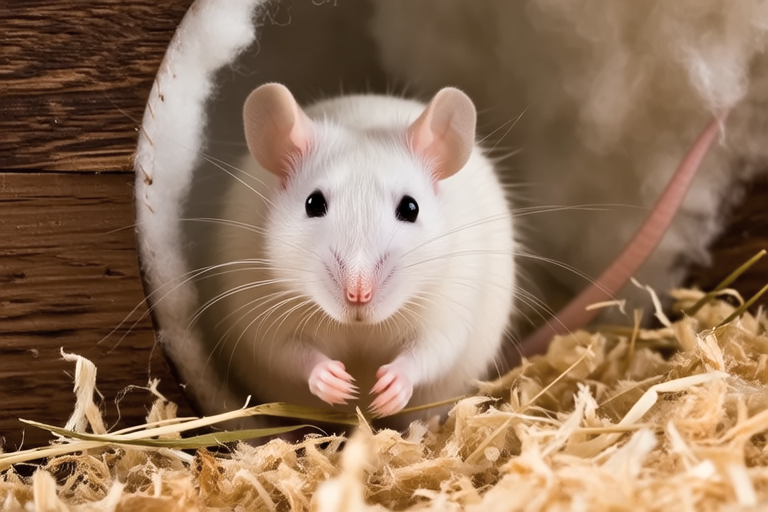
Fancy Rats: A Comprehensive Guide
Fancy rats, also known as domesticated rats, are intelligent, social creatures that have been selectively bred for their docile temperament and appealing appearance. These small mammals make wonderful pets for those who want an interactive and affectionate companion. In this article, we will explore the behaviors, habits, and care requirements of fancy rats, including their social nature, intelligence, common activities, dietary needs, habitat setup, exercise requirements, grooming practices, health issues, and tips for bonding with them.
Social Nature and Intelligence
Fancy rats are highly social animals that thrive in groups. They are naturally curious and enjoy interacting with both humans and other rats. In the wild, they live in colonies where they form strong bonds with their companions. This social behavior translates well into domestic settings, making them excellent pets for people who enjoy spending time with their animals.
These rodents are also incredibly intelligent. They can learn tricks, solve puzzles, and even respond to their names. Their intelligence allows them to quickly adapt to new environments and situations, which makes training and bonding easier. Providing mental stimulation through toys and activities helps keep your rat engaged and prevents boredom.
Common Activities
Fancy rats are active animals that love to explore their surroundings. They are natural burrowers and will spend time digging in soft bedding materials like fleece or paper towels. They also enjoy climbing, running on wheels, and playing with toys. You can enrich their environment by offering tunnels, hammocks, and chewable objects such as wooden blocks or cardboard tubes.
One of the most endearing traits of fancy rats is their playful nature. They will often engage in play fighting, chasing each other around the cage, and wrestling. Watching these interactions can be entertaining and give you insight into how your rat interacts with others.
Dietary Needs
A balanced diet is essential for maintaining your rat’s health. Their diet should consist of a good quality commercial rat food, supplemented with fresh fruits and vegetables. Avoid feeding them sugary treats or foods high in fat. Fresh water should always be available, and it’s important to clean their water bottle daily to prevent bacterial growth.
Variety in their diet helps ensure they receive all necessary nutrients. Rotate different types of fruits and vegetables to provide a range of vitamins and minerals. Some safe options include carrots, broccoli, apples (without seeds), and leafy greens. However, always research before introducing new foods to avoid potential allergies or digestive issues.
Habitat Setup
The ideal living space for fancy rats is a large enclosure with plenty of room for movement and exploration. A wire cage with multiple levels provides ample space while allowing air circulation. Avoid cages made from wood or plastic as they can easily be chewed through. The bottom of the cage should be lined with absorbent bedding material such as recycled paper pulp or hardwood shavings.
In addition to providing shelter, the cage should include areas for sleeping, eating, and exercising. Provide nesting boxes filled with soft bedding where your rat can retreat when feeling stressed or tired. Place food dishes and water bottles strategically throughout the cage to encourage movement. Exercise wheels or platforms allow your rat to run and climb safely within its home.
Exercise Requirements
Despite being relatively inactive during daylight hours due to their nocturnal lifestyle, fancy rats require regular physical activity to stay healthy. A large cage with various levels encourages climbing and jumping. Additionally, supervised out-of-cage time allows them to stretch their legs and explore beyond their usual environment.
Interactive play sessions outside the cage offer another way to meet their exercise needs. Use tunnels, bridges, and other climbing structures to create an obstacle course that challenges your rat mentally and physically. Always supervise these activities closely to ensure safety.
Grooming Practices
Fancy rats generally take care of their own grooming needs but may need occasional assistance from their owners. Regular brushing helps remove loose fur and keeps their coat shiny. Pay special attention to areas prone to matting, such as behind the ears or near the tail.
Trimming nails is another important aspect of grooming. Long nails can cause discomfort and interfere with mobility. Use nail clippers designed for small animals and be cautious not to cut too close to the quick, which contains blood vessels. If unsure about proper technique, consult a veterinarian or experienced breeder.
Health Issues
Like any pet, fancy rats are susceptible to certain health problems. Respiratory infections, tumors, and dental issues are among the most common concerns. Regular check-ups with a veterinarian familiar with rodent care can help catch potential problems early.
To maintain good health, provide a clean living environment free from drafts and excessive moisture. Monitor your rat’s weight and appetite regularly, as changes could indicate underlying issues. Early detection and treatment increase the chances of successful recovery.
Tips for Bonding with Your Rat
Bonding with your fancy rat takes time and patience but is rewarding once established. Start by handling your rat gently every day, gradually increasing the duration of each session. Offer treats during these times to create positive associations.
Spending quality time together outside the cage promotes trust and strengthens the bond between you and your pet. Allow your rat to explore safe spaces under supervision while offering praise and encouragement. Over time, your rat will become more comfortable around you and may even seek out interaction.
Nocturnal Lifestyle
Fancy rats are primarily nocturnal creatures, meaning they are most active at night. During the day, they tend to rest or sleep in dark, quiet places within their cage. Understanding this schedule helps manage expectations regarding interaction times.
Although they prefer nighttime activities, some adaptation occurs over time if exposed consistently to human presence during waking hours. Gradually shifting their routine closer to yours can facilitate more convenient bonding opportunities without disrupting their natural patterns excessively.
Communication Methods
Rats communicate through body language, vocalizations, and scent marking. Whisker flicks, tail wagging, and nose nudges indicate interest or excitement. Conversely, flattened ears or hunched posture signals fear or submission.
Vocal sounds like chirping, squeaking, and chattering serve various purposes ranging from expressing joy to signaling distress. Learning to interpret these cues enhances understanding between owner and pet.
Environmental Enrichment Ideas
Providing stimulating environments enriches fancy rats’ lives by promoting mental and physical well-being. Introduce new toys periodically to maintain novelty and challenge. Puzzle feeders encourage problem-solving skills while delivering treats.
Create diverse habitats inside the cage using different textures like mesh floors, fabric hammocks, and wooden perches. Rotate these elements occasionally to prevent monotony. Outside-the-cage exploration sessions expose your rat to novel experiences under controlled conditions.
Differences Between Wild and Domesticated Behaviors
While sharing many characteristics with their wild counterparts, fancy rats exhibit several distinct behaviors due to generations of selective breeding aimed at enhancing docility and reducing aggression. Domesticated rats tend to be less skittish around humans compared to wild varieties.
Additionally, domestication has influenced social dynamics within colonies. While still highly gregarious, captive-bred individuals often display more cooperative rather than competitive tendencies towards one another. This makes introducing new members into established groups easier provided proper precautions are taken.
Advice on Introducing New Rats to Existing Colonies
Integrating newcomers carefully minimizes stress and conflict within existing groups. Begin by housing new arrivals separately but adjacent to current residents so everyone becomes accustomed to each other’s presence through sight and smell.
After several days of acclimation, conduct supervised meetings in neutral territory away from regular cages. Monitor interactions closely for signs of aggression or dominance struggles. Once initial introductions go smoothly, gradually increase exposure periods until full integration appears feasible.
