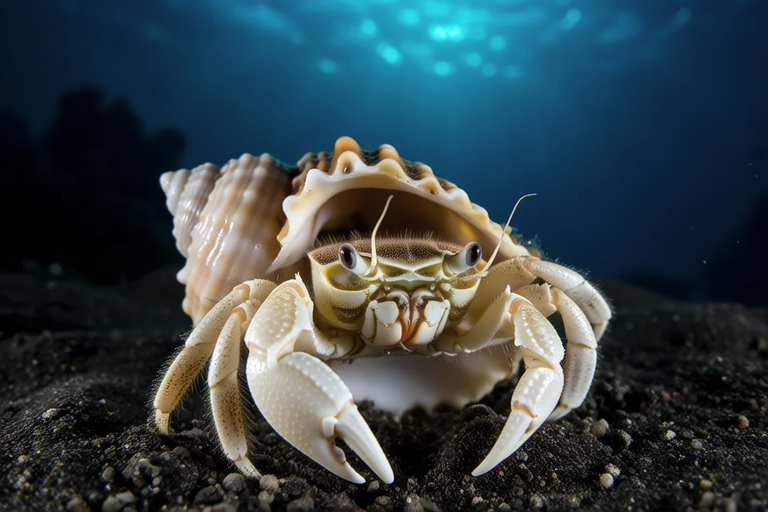
The Symbiotic Relationship Between Pea Crabs and Their Marine Hosts
Pea crabs are fascinating little creatures that live inside the bodies of other sea animals. This unique relationship, known as symbiosis, is a vital part of marine ecosystems. In this article, we will delve into the world of pea crabs, exploring their physical characteristics, roles within their host organisms, and the impact of this coexistence on marine life. We’ll also discuss the challenges pea crabs face and the efforts being made to protect them.
Physical Characteristics of Pea Crabs
Pea crabs, belonging to the Pinnotheridae family, are tiny crustaceans that rarely exceed 15 millimeters in length. Their small size allows them to fit comfortably within the bodies of their hosts, where they reside in specialized compartments called mantles. These compartments are often formed by the host’s body tissues and provide protection from predators. Pea crabs have soft, flexible shells that enable them to squeeze into tight spaces. They possess long, slender legs that help them navigate through their host’s internal environment.
Role Within Host Organisms
Pea crabs play a crucial role in the lives of their hosts. They feed on the eggs and larvae of the host organism, which helps regulate population sizes and prevents overcrowding. By doing so, pea crabs contribute to the overall health of their host’s reproductive cycle. Additionally, pea crabs may assist in cleaning the host’s body by consuming waste products, such as mucus and detritus, thereby maintaining the host’s hygiene. Some species of pea crabs also provide protection for their hosts by warning them of potential dangers, such as predators approaching.
Examples of Host Species
Many different species of sea creatures serve as hosts for pea crabs. One common example is the Pacific oyster (Crisia gigas), which harbors the pea crab Pinnixa faba. Another notable host is the giant clam ( The cohabitation between pea crabs and their hosts has significant benefits for both parties. For the hosts, pea crabs help maintain their reproductive cycles and overall health. In return, pea crabs receive a safe and protected environment to live in, along with a steady supply of food. However, there are also potential negative impacts. For instance, if pea crab populations become too large, they could deplete the host’s resources, leading to malnutrition or even death. Therefore, it is essential to strike a balance between the two organisms. Pea crabs and their hosts face several threats, including overfishing, pollution, and climate change. Overfishing can lead to a decline in host populations, reducing the number of available habitats for pea crabs. Pollution, particularly plastic waste and chemical runoff, can harm both pea crabs and their hosts, affecting their ability to reproduce and survive. Climate change poses yet another challenge, as rising sea temperatures and ocean acidification can alter the chemistry of seawater, making it harder for pea crabs and their hosts to thrive. Researchers are currently studying pea crabs and their hosts to better understand their relationships and develop strategies for protecting them. One area of focus is investigating how pea crabs adapt to changes in their environment, such as shifts in water temperature and salinity. Another important aspect is examining the effects of human activities, like fishing and aquaculture, on pea crab populations and their hosts. Conservation efforts aim to preserve habitats, reduce pollution, and promote sustainable practices in marine ecosystems. The symbiotic relationship between pea crabs and their marine hosts is a remarkable example of cooperation in nature. These tiny crustaceans play a vital role in maintaining the health of their hosts and contributing to the overall balance of marine ecosystems. By understanding the challenges pea crabs face and supporting conservation efforts, we can help ensure the survival of these fascinating creatures and the ecosystems they inhabit.Benefits and Impacts of Cohabitation
Threats to Pea Crab Populations and Their Hosts
Current Research and Conservation Efforts
Conclusion
