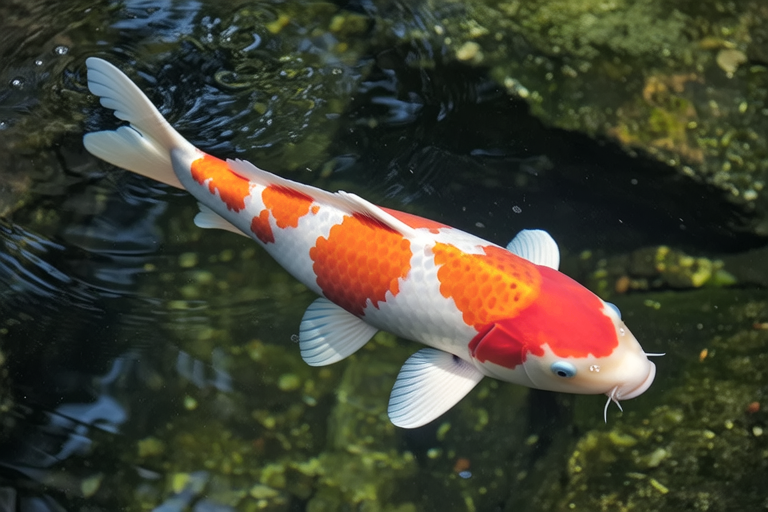
Unveiling the Mystery: The Lifespan and Care Tips for Koi Fish
Koi fish, with their vibrant colors and graceful movements, have captured the hearts of many aquarists and pond enthusiasts worldwide. Originating from Japan, these fish are a popular choice for both hobbyists and professionals. Their beauty and resilience make them a favorite among those who enjoy maintaining ponds and aquariums. This article delves into the fascinating world of koi fish, exploring their average lifespan, the factors that influence it, and providing essential care tips to ensure your koi fish thrive.
The Popularity of Koi Fish
Koi fish, also known as Nishikigoi, are carp species that have been selectively bred for their striking patterns and colors. They come in various varieties, each distinguished by unique color combinations and markings. These fish have a rich history, dating back centuries, and have become a symbol of good fortune and prosperity in Japanese culture. Today, they are appreciated globally for their aesthetic appeal and the tranquility they bring to any outdoor space.
Average Lifespan of Koi Fish
The average lifespan of koi fish is approximately 25 years, though some can live much longer under optimal conditions. In fact, there have been reports of koi fish living up to 40 years or more. Several factors contribute to their longevity, including genetics, diet, water quality, and overall care.
- Genetics: Some koi fish are naturally predisposed to living longer due to their genetic makeup.
- Diet: Proper nutrition plays a crucial role in maintaining the health and vitality of koi fish.
- Water Quality: Clean and well-maintained water is essential for the survival and longevity of koi fish.
- Suitable Pond Conditions: Providing an environment that mimics their natural habitat can significantly extend their lifespan.
Detailed Care Tips
Diet
Feeding koi fish a balanced diet is vital for their health and longevity. A high-quality commercial koi food, which includes protein, carbohydrates, and fats, should be the primary source of nutrition. Additionally, offering supplementary foods such as vegetables, fruits, and live or frozen insects can provide variety and additional nutrients. It’s important to feed koi fish according to their size and activity level, avoiding overfeeding, which can lead to poor water quality and health issues.
Water Quality Maintenance
Maintaining clean and healthy water is paramount for the well-being of koi fish. Regular water changes, filtration, and monitoring of water parameters are necessary to ensure optimal conditions. Key water quality indicators include pH levels, ammonia, nitrite, and nitrate concentrations. An ideal pH range for koi fish is between 7.2 and 8.0, while ammonia and nitrite levels should be kept at zero. Nitrate levels should be maintained below 50 ppm. Employing proper filtration systems, such as biological filters and UV sterilizers, can help maintain water clarity and reduce harmful bacteria.
Suitable Pond Conditions
Creating a suitable pond environment is crucial for the comfort and longevity of koi fish. The pond should be spacious enough to accommodate the number of fish you plan to keep, with a depth of at least 3 feet (0.9 meters) to provide adequate temperature stability. Incorporating features like plants, rocks, and caves can enrich the pond’s ecosystem and offer hiding spots for the fish. Additionally, ensuring proper circulation and aeration is essential to prevent stagnation and promote oxygen exchange.
Common Health Issues
Despite their hardiness, koi fish can still face health challenges. Common issues include bacterial infections, fungal growth, parasites, and fin rot. Regular observation and prompt action are key to addressing these problems. Signs of distress may include lethargy, loss of appetite, abnormal swimming behavior, and physical abnormalities such as lesions or ulcers. Consulting with a veterinarian specializing in aquatic animals can provide accurate diagnosis and treatment options.
The Importance of Regular Care
Regular care and attention are indispensable for the longevity and well-being of koi fish. By adhering to proper feeding practices, maintaining pristine water quality, and providing suitable pond conditions, you can significantly enhance the lifespan and overall health of your koi fish. Regularly scheduled maintenance tasks, such as cleaning filters and performing water tests, ensure that potential issues are identified and addressed promptly. Additionally, fostering a supportive community of fellow koi enthusiasts can provide valuable insights and advice, further contributing to the successful care of these magnificent creatures.
In conclusion, koi fish are not only beautiful additions to any pond but also require dedicated care to thrive. By understanding their needs and implementing appropriate care practices, you can ensure that your koi fish live long, healthy lives. Embrace the joy and tranquility that these fish bring to your outdoor space, and take pride in being a responsible caretaker of these captivating creatures.
