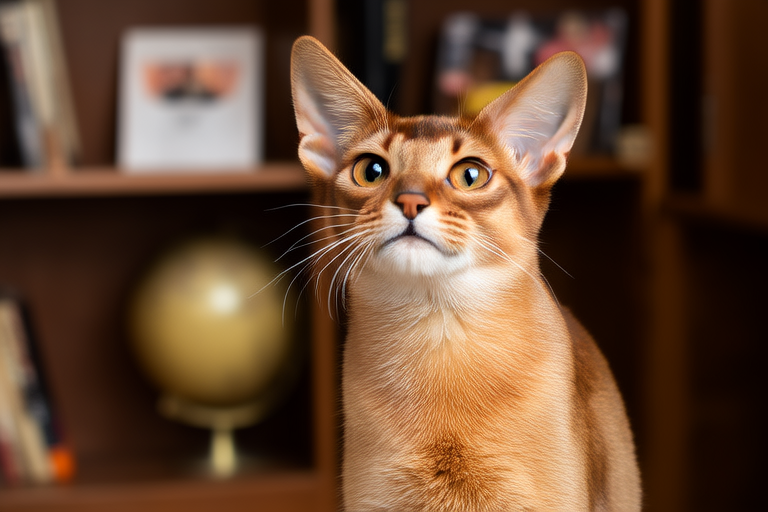
Abyssinian Cats: The Ultimate Guide to Owning a Royal Companion
Welcome to the world of Abyssinian cats, often referred to as the ‘royal cats’ due to their elegant appearance and regal demeanor. These captivating creatures have a rich history and unique characteristics that make them stand out among other feline breeds. This comprehensive guide will help you understand everything about Abyssinian cats, from their origins and physical traits to their care requirements and compatibility with different environments.
Origins of the Abyssinian Cat
The exact origin of the Abyssinian cat remains somewhat of a mystery, but it is widely believed that they originated in ancient Egypt. Historical records suggest that these cats were highly regarded and even mummified by the Egyptians, who considered them sacred animals. Despite their name suggesting a connection to Ethiopia (formerly known as Abyssinia), there is no concrete evidence linking them directly to this region. Instead, it is thought that British traders may have brought the breed to England in the 19th century.
The first official Abyssinian cat was exhibited at a cat show in England in 1871. Since then, the breed has gained popularity worldwide, admired for its striking appearance and affectionate nature. Today, Abyssinians are recognized by various cat registries, including the Cat Fanciers’ Association (CFA).
Distinctive Physical Traits
Abyssinian cats are known for their sleek, muscular bodies and large ears set high on their heads. Their coat is short yet plush, with a ticked or agouti pattern, meaning each hair shaft has bands of color. Common colors include ruddy (a warm reddish-brown), blue (a cool gray), fawn (a light tan), and cinnamon (a soft brown). Their eyes are typically almond-shaped and green, adding to their exotic allure.
One of the most notable features of Abyssinian cats is their long legs and slender build, which give them an almost deer-like appearance when running. Their tails are long and tapering, often held high when they walk. Overall, their physique exudes grace and agility, making them a joy to watch as they move around.
Temperament
Abyssinian cats are renowned for their friendly and outgoing personalities. They are highly social creatures that thrive on human interaction and enjoy being part of family life. Unlike some other breeds, Abyssinians tend to form strong bonds with their owners and may follow them from room to room. They are generally good with children and can adapt well to homes with multiple pets if introduced gradually.
These cats are also quite playful and curious, always exploring new surroundings and seeking out interactive toys. Their intelligence means they can be trained to perform simple tricks or fetch objects, making them ideal companions for those looking for an engaged and responsive pet.
Care Requirements
Diet
When it comes to feeding your Abyssinian cat, it’s important to provide a balanced diet rich in protein and essential nutrients. High-quality commercial cat foods formulated for indoor or active lifestyles are usually sufficient, but you might want to consult with a veterinarian to ensure your cat receives the right amount of vitamins and minerals. Fresh water should always be available.
Exercise
Abyssinians are energetic cats that require regular exercise to maintain their health and happiness. Interactive play sessions using toys like feather wands or laser pointers can help stimulate their minds and keep them fit. Providing climbing structures or cat trees will also encourage physical activity and allow them to engage in natural behaviors such as climbing and perching.
Grooming
Despite their short coats, Abyssinian cats still need regular grooming to prevent matting and keep their fur shiny. Brushing them once or twice a week with a soft bristle brush or comb will remove loose hairs and distribute natural oils throughout their coat. Bathing should only be done occasionally unless necessary, as frequent bathing can strip away essential oils.
Common Health Issues
Like all breeds, Abyssinian cats can be prone to certain health conditions. Some of the more common issues include dental disease, kidney problems, and heart murmurs. Regular veterinary check-ups are crucial for early detection and management of any potential health concerns. Additionally, keeping your cat at a healthy weight through proper nutrition and exercise can reduce the risk of obesity-related illnesses.
Social Behavior and Compatibility
Abyssinians are naturally sociable and enjoy spending time with people, making them excellent companions for families or individuals who spend significant amounts of time at home. They tend to get along well with other pets, especially when introduced slowly and under supervision. However, due to their active nature, they might not tolerate overly aggressive or noisy animals.
Living space is another factor to consider when adopting an Abyssinian cat. While they can adapt to apartment living, providing ample vertical space for climbing and perching is essential. If possible, choose a location where your cat can observe outdoor activities safely through windows or secure patios.
Training and Enrichment Activities
Training your Abyssinian cat doesn’t have to be complicated; simple commands like ‘come,’ ‘sit,’ or ‘stay’ can be taught using positive reinforcement techniques such as treats and praise. Teaching basic obedience not only strengthens the bond between you and your cat but also helps establish boundaries within the household.
To keep your Abyssinian mentally stimulated, consider introducing puzzle feeders or treat-dispensing toys that challenge their problem-solving skills. Rotate toys regularly to prevent boredom and encourage exploration. Additionally, creating safe outdoor enclosures or using harnesses designed specifically for cats allows them to experience fresh air while remaining protected.
Conclusion
Owning an Abyssinian cat is a rewarding experience for those willing to invest time and effort into understanding their unique needs. By providing appropriate care, enrichment opportunities, and plenty of love, you can ensure your royal companion lives a long, healthy, and fulfilling life. Whether you’re a seasoned cat owner or new to the joys of feline companionship, embracing the quirks and charms of an Abyssinian will undoubtedly bring immense satisfaction.
