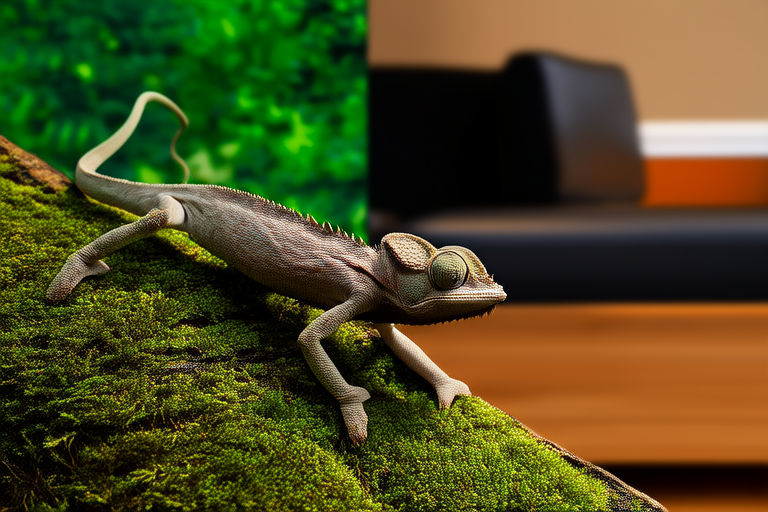
From Jungle to Home: Transforming Your Space with a Chameleon
Welcome to the fascinating world of chameleons! These captivating reptiles, known for their ability to change color, have been captivating humans for centuries. Bringing a chameleon into your home can transform not just your living space but also your understanding of nature’s wonders. This guide will walk you through the unique needs of chameleons, tips for setting up their habitat at home, how to ensure their health and happiness, and the rewarding experience of caring for these exotic creatures.
The Unique Needs of Chameleons
Chameleons are fascinating creatures that require specific conditions to thrive. They are arboreal animals, meaning they live in trees, and they need vertical space in their enclosures. Their natural habitat includes tropical rainforests, where they enjoy high humidity, ample light, and temperatures ranging from 75°F to 90°F (24°C to 32°C). Chameleons are solitary animals by nature and prefer to be housed alone, as sharing an enclosure can lead to stress and territorial disputes.
One of the most intriguing aspects of chameleons is their ability to change color. While many people believe they change color only to blend into their surroundings, the truth is more complex. Chameleons alter their colors for various reasons, including communication, temperature regulation, and mood changes. For instance, males may display vibrant colors during mating rituals, while stressed or sick chameleons might appear duller or darker.
Setting Up the Perfect Habitat
Creating the ideal environment for your chameleon is crucial for its well-being. Start by choosing an appropriate enclosure. A vertical terrarium, typically made of glass or acrylic, is preferable because it allows for better ventilation and visibility. The size of the enclosure depends on the species; larger chameleons like the veiled chameleon need a minimum of 4 feet in height and width.
Proper lighting is essential for a chameleon’s health. Ultraviolet B (UVB) light is necessary for calcium absorption and bone health. Invest in a high-quality UVB bulb and position it so that it covers approximately 50% of the enclosure. Replace the bulb every six months to ensure it remains effective. Additionally, provide a basking spot with a heat lamp to maintain the optimal temperature gradient within the enclosure.
Substrate, or the material covering the bottom of the enclosure, should be chosen carefully. Many substrates pose risks of impaction, a condition where ingested material blocks the digestive tract. Instead, opt for a non-substrate setup, where the bottom of the enclosure is left bare or covered with artificial grass. This reduces the risk of impaction and makes cleaning easier.
Branches and plants are vital components of a chameleon’s habitat. Provide plenty of sturdy branches for climbing and perching, ensuring they are securely placed and spaced apart to allow for movement. Live or artificial plants can add aesthetic appeal and offer hiding spots, which are important for reducing stress.
Diet and Feeding Habits
Feeding a chameleon can be an exciting part of ownership, as it involves observing their unique hunting techniques. In the wild, chameleons are insectivores, primarily consuming crickets, mealworms, and other small insects. At home, it’s important to offer a variety of prey items to ensure a balanced diet. Dust the insects with a calcium supplement twice weekly and a multivitamin once a week to prevent deficiencies.
Chameleons catch their food using a long, sticky tongue that can extend up to twice their body length. They wait motionless until prey comes within range, then strike with incredible speed. To encourage this natural behavior, place insects in the enclosure rather than feeding them directly. This mimics their hunting habits and keeps them active and engaged.
Water is another critical aspect of chameleon care. Unlike some reptiles, chameleons do not drink standing water. Instead, they obtain moisture from dew and rain. To mimic this, mist the enclosure several times a day or use a drip system to provide a constant supply of fresh water. Some chameleons may also drink from a shallow water dish, but this is not always reliable.
Maintaining Health and Happiness
To ensure your chameleon remains healthy and happy, regular veterinary check-ups are essential. Reptile veterinarians specialize in diagnosing and treating conditions specific to reptiles. Schedule routine visits to monitor your pet’s overall health and address any concerns early.
Observation is key to identifying potential health issues. Look for signs of illness such as lethargy, loss of appetite, discolored skin, or difficulty breathing. Early intervention can make a significant difference in treatment outcomes. Maintain a clean and hygienic enclosure to prevent the spread of bacteria and parasites. Regularly clean and disinfect the enclosure, replacing substrate and cleaning equipment as needed.
Environmental enrichment is also important for a chameleon’s mental well-being. Introduce new branches, plants, or toys periodically to stimulate exploration and curiosity. Rotate these items regularly to keep the enclosure interesting and engaging. Additionally, handle your chameleon gently and consistently to build trust and reduce stress.
The Transformation Experience
Welcoming a chameleon into your home is a transformative experience. As you set up their habitat and learn about their care, you’ll find yourself immersed in the world of reptiles. Watching your chameleon explore its new environment, change colors, and interact with its surroundings can be incredibly rewarding. Over time, you’ll develop a deep connection with your pet, gaining insights into its behavior and preferences.
The presence of a chameleon can also transform your living space. Their vibrant colors and unique movements can bring a touch of the jungle into your home. Many owners find that caring for a chameleon encourages mindfulness and patience, as it requires careful attention to detail and consistency in care.
Conclusion
Bringing a chameleon into your home is a journey of discovery and responsibility. By understanding their unique needs and providing a suitable habitat, you can ensure your pet thrives and brings joy to your life. With proper care, your chameleon will become a cherished member of your family, offering a window into the fascinating world of reptiles. Whether you’re a seasoned reptile keeper or a first-time owner, the experience of caring for a chameleon is sure to be enriching and rewarding.
