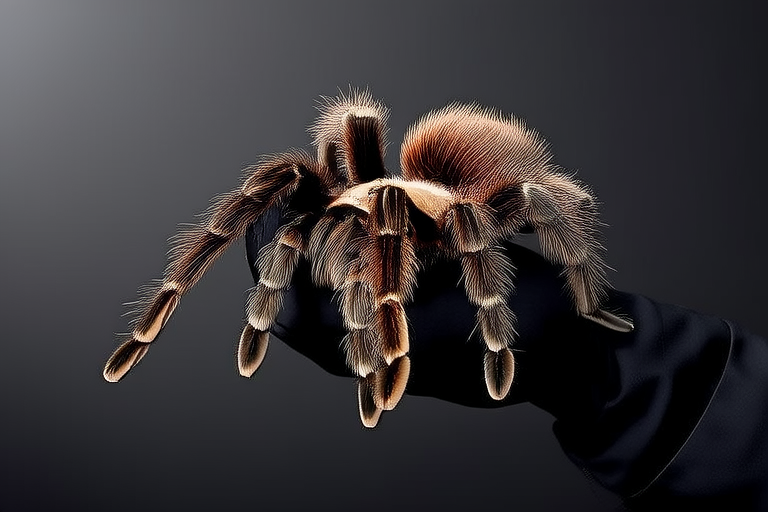
How to Safely Handle Your Pet Tarantula: Insider Tips
Welcome to the fascinating world of tarantulas! These incredible arachnids can make wonderful pets for those who appreciate their unique beauty and behavior. Handling your pet tarantula can be a rewarding experience, but it requires knowledge and care to ensure both your safety and that of your pet. This guide will provide you with insider tips on how to safely handle your pet tarantula, covering essential safety precautions, common mistakes to avoid, proper handling techniques, necessary equipment, understanding tarantula behavior, and advice on acclimating your tarantula to regular handling.
Essential Safety Precautions When Handling Tarantulas
Before we dive into the details, it’s crucial to understand the potential risks involved in handling tarantulas. While most tarantulas are not aggressive, they can defend themselves if they feel threatened. Here are some essential safety precautions:
- Wear Gloves: Some tarantulas have urticating hairs on their abdomens that they can flick off as a defense mechanism. These hairs can cause skin irritation, so wearing gloves can protect your hands.
- Avoid Sudden Movements: Tarantulas are sensitive to vibrations and sudden movements. Keep your movements slow and deliberate to avoid startling them.
- Handle Gently: Tarantulas have delicate exoskeletons that can easily be damaged. Always handle them gently to prevent injury.
- Keep Fingers Together: Tarantulas can climb up your arms and legs, but keeping your fingers together can prevent them from crawling between them.
- Wash Hands Before and After Handling: To avoid transferring oils or chemicals from your hands to the tarantula, always wash your hands before and after handling.
Common Mistakes to Avoid When Handling Tarantulas
Handling tarantulas can be intimidating at first, especially for beginners. However, there are several common mistakes that can lead to mishandling and potential harm to your pet. Here are some mistakes to avoid:
- Picking Up by the Legs: Never pick up your tarantula by its legs. This can cause serious injury and discomfort to your pet. Instead, scoop it gently from underneath using a small container or your hand.
- Overhandling: While it’s tempting to interact with your tarantula frequently, overhandling can stress your pet. Limit handling sessions to short durations and only when necessary.
- Ignoring Warning Signs: Tarantulas may show signs of distress or discomfort during handling. If your tarantula attempts to flee, flick urticating hairs, or shows other signs of distress, stop handling immediately.
- Using Unreliable Sources: Always consult reputable sources for information about handling tarantulas. Misinformation can lead to improper handling techniques and potential harm to your pet.
Proper Techniques for Gentle Handling
Gentle handling is key to ensuring the well-being of your pet tarantula. Here are some techniques to help you handle your tarantula safely and comfortably:
- Prepare Your Environment: Before handling your tarantula, ensure your environment is calm and free from distractions. A quiet room with minimal noise and movement will help keep your tarantula relaxed.
- Use the Right Equipment: Invest in a small container or tarantula tube for scooping your tarantula from its enclosure. This tool will help you handle your tarantula without risking injury.
- Scoop Gently: When scooping your tarantula, use a gentle motion to lift it from underneath. Avoid grabbing or pinching your tarantula.
- Support the Entire Body: When holding your tarantula, support its entire body to prevent it from feeling insecure or unbalanced. Use your fingers to gently hold the tarantula’s abdomen while supporting its legs with your other hand.
- Limit Duration: Keep handling sessions short and infrequent. Tarantulas are not social creatures, and excessive handling can cause stress and discomfort.
Necessary Equipment for Safe Interaction
To ensure safe interaction with your pet tarantula, having the right equipment is essential. Here are some tools that can help you handle your tarantula safely:
- Tarantula Tube: A tarantula tube is a small, clear plastic container with ventilation holes. It allows you to scoop your tarantula from its enclosure without the risk of injury.
- Soft Gloves: As mentioned earlier, soft gloves can protect your hands from urticating hairs and provide a secure grip for handling your tarantula.
- Handling Board: A handling board is a flat surface where you can place your tarantula during handling. It provides a stable platform for your tarantula and reduces the risk of falling.
- Water Bottle: In case your tarantula becomes stressed or agitated, a water bottle can be used to spray a fine mist of water to calm it down.
Understanding Tarantula Behavior to Prevent Mishandling
To handle your tarantula safely, it’s important to understand its behavior and needs. Tarantulas exhibit various behaviors that can indicate their mood and comfort level. Here are some key behaviors to watch for:
- Resting Posture: When your tarantula is resting, it will typically sit still with its legs tucked under its body. This posture indicates that your tarantula is comfortable and relaxed.
- Threatening Posture: If your tarantula feels threatened, it may raise its front legs and spread its fangs. This posture is a warning sign that your tarantula is uncomfortable and may attempt to defend itself.
- Flicking Urticating Hairs: If your tarantula flicks its urticating hairs, it’s a clear sign that it’s stressed or agitated. Stop handling immediately and allow your tarantula to settle down.
- Escaping Attempts: If your tarantula attempts to escape during handling, it may be feeling insecure or uncomfortable. Allow it to return to its enclosure and try again another time.
Advice on Acclimating a Tarantula to Regular Handling Without Causing Stress or Injury
Acclimating your tarantula to regular handling takes time and patience. The goal is to build trust and confidence in your tarantula, allowing it to become comfortable with handling. Here are some tips for acclimating your tarantula to regular handling:
- Start Slowly: Begin by handling your tarantula for short periods, gradually increasing the duration as your tarantula becomes more comfortable.
- Choose the Right Time: Handle your tarantula when it’s active and alert, rather than when it’s resting or feeding. This will help your tarantula stay calm and focused during handling.
- Be Patient: Some tarantulas may take longer to acclimate to handling than others. Be patient and consistent in your efforts, and avoid forcing your tarantula to handle if it’s showing signs of distress.
- Offer Rewards: After handling, offer your tarantula a treat, such as a small insect or a piece of fruit. This positive reinforcement can help your tarantula associate handling with a positive experience.
- Monitor for Stress: Keep an eye on your tarantula for signs of stress or discomfort during handling. If your tarantula shows any signs of distress, stop handling immediately and allow it to rest.
Conclusion
Handling your pet tarantula can be a rewarding experience, but it requires knowledge and care to ensure both your safety and that of your pet. By following the essential safety precautions, avoiding common mistakes, using proper handling techniques, and investing in the right equipment, you can safely and comfortably handle your tarantula. Understanding tarantula behavior and taking the time to acclimate your tarantula to regular handling will help build trust and confidence in your pet. With these insider tips, you’ll be well on your way to enjoying a safe and rewarding relationship with your pet tarantula.
