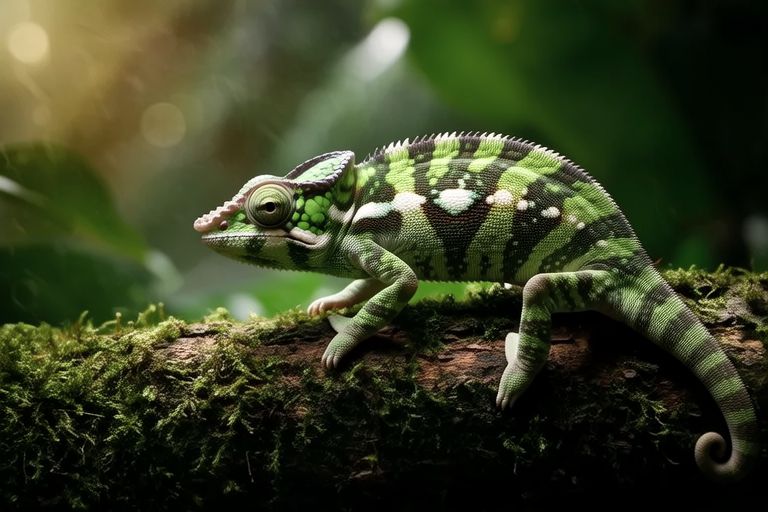
Chameleon Care Made Simple: Expert Tips for Beginners and Beyond
Welcome to the fascinating world of chameleons! These remarkable creatures, known for their ability to change color, have captivated humans for centuries. Chameleons are not just visually stunning; they also have unique behaviors and specific care requirements that make them both rewarding and challenging pets. Whether you’re a new owner or an experienced enthusiast, this guide will provide you with expert tips to ensure your chameleon thrives.
Understanding Chameleons: Unique Characteristics and Needs
Chameleons are arboreal lizards native to Africa, Madagascar, southern Europe, and Asia. Their most famous trait is their ability to change color, which serves various purposes such as communication, camouflage, and temperature regulation. Chameleons have other unique features, like their prehensile tails, independently rotating eyes, and long, sticky tongues used to catch prey. They are solitary animals and require spacious enclosures that mimic their natural habitats, which include trees, bushes, and plenty of sunlight.
Essential Care Tips: Habitat Setup
Enclosure Size
The first step in setting up a chameleon’s home is choosing the right enclosure. Chameleons need vertical space to climb and bask, so a tall, well-ventilated cage is essential. For a young chameleon, a 29-gallon tank (about 36 inches high) is sufficient, but as they grow, a larger cage is needed. Adult chameleons thrive in cages at least 48 inches tall.
Lighting
Chameleons rely on UVB light to synthesize vitamin D3, crucial for calcium absorption and bone health. Use a UVB bulb designed for reptiles, placed within 12-18 inches of where the chameleon will spend most of its time. Replace the bulb every six months, even if it still works, because UVB output diminishes over time.
Temperature and Humidity
Maintaining the correct temperature gradient is vital for a chameleon’s health. The basking spot should reach around 90-95°F, while the cooler side of the enclosure should be about 70-75°F. A digital thermometer with a probe is helpful for monitoring temperatures accurately.
Humidity levels should range between 40% and 70%. Mist the enclosure twice daily to raise humidity levels, ensuring the substrate stays moist but not wet. A hygrometer can help monitor humidity levels effectively.
Diet Specifics: What and How to Feed
Chameleons are insectivores, primarily eating live insects. Variety is key, offering different types of insects such as crickets, dubia roaches, silkworms, and hornworms. Gut-loading insects with nutrient-rich foods ensures your chameleon receives all necessary vitamins and minerals.
Dusting insects with calcium and multivitamin powders is another way to supplement their diet. However, be cautious not to overdo it, as excessive supplementation can lead to health issues. Aim to dust insects every second feeding for juveniles and every third feeding for adults.
Handling and Health Maintenance
Handling
Chameleons are delicate creatures and do not enjoy being handled frequently. Limit handling sessions to avoid stressing them out. When handling, support their body fully and move slowly to prevent startling them.
Health Monitoring
Regular health checks are crucial. Signs of illness include lethargy, loss of appetite, unusual spots or patches on the skin, swollen eyes, and difficulty breathing. If you notice any of these symptoms, consult a veterinarian specializing in reptiles immediately.
Common diseases include metabolic bone disease, respiratory infections, and parasites. Preventive measures include maintaining proper husbandry, regular vet check-ups, and quarantine of new additions to the enclosure.
Advanced Care Tips: Environmental Enrichment and Behavioral Observation
For experienced owners, enriching the chameleon’s environment can enhance their quality of life. Introduce branches of varying thickness, plants for climbing and hiding, and waterfalls for misting. Rotate toys and decorations periodically to keep the enclosure fresh and engaging.
Behavioral observation is key to understanding your chameleon’s needs. Pay attention to their activity levels, feeding habits, and interactions with their surroundings. This knowledge helps in tailoring their care to meet their specific preferences.
Conclusion
Raising a chameleon requires commitment, knowledge, and dedication. By following these expert tips, you’ll create a nurturing environment that supports your chameleon’s physical and emotional well-being. Remember, the bond between you and your pet grows stronger with attentive care and understanding. Enjoy the journey of learning and growing together with your chameleon companion.
