Heterometrus Spinifer: A Lesser-Known Species Within Rainforest Ecosystems
The Heterometrus spinifer, a lesser-known species within rainforest ecosystems, is a fascinating creature that plays a crucial role in maintaining the balance of its environment. This scorpion species, belonging to the family Scorpionidae, is known for its distinctive physical characteristics, habitat preferences, and unique adaptations for survival.
Physical Characteristics
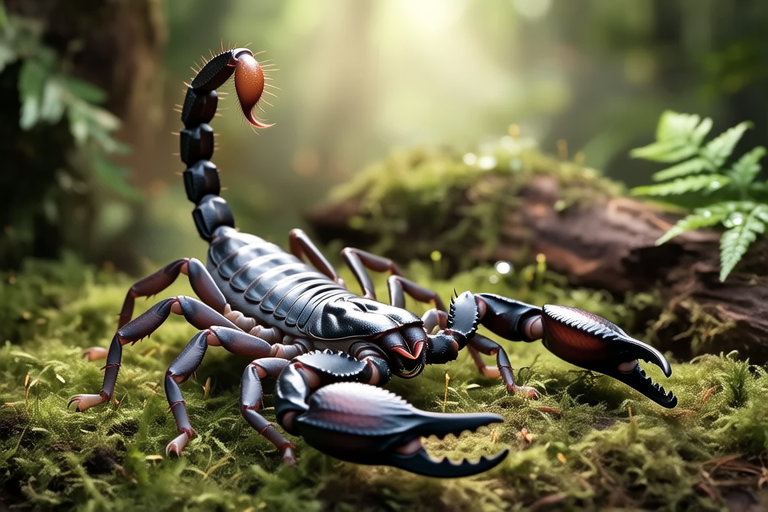
The Heterometrus spinifer is a medium-sized scorpion, typically measuring between 6 and 8 centimeters in length. Its body is characterized by a robust appearance, with a broad, flattened mesosoma (middle section) and a slender metasoma (tail). The coloration of the Heterometrus spinifer varies from light brown to dark brown, often with a reddish tint on its pincers and stinger. One of the most notable features of this species is the presence of spines on its tail, which give it its name. These spines are used for defense and can deliver a potent venom when threatened.
The pedipalps, or pincers, of the Heterometrus spinifer are relatively large compared to its body size, which aids in grasping and manipulating prey. The eyes of this scorpion are arranged in three ocelli on each side of the cephalothorax, providing it with excellent night vision. Additionally, the Heterometrus spinifer possesses sensory structures called pectines, located under the abdomen, which help it detect vibrations and chemical signals in its environment.
Habitat Preferences
The Heterometrus spinifer is primarily found in tropical rainforests across Southeast Asia, particularly in countries such as Thailand, Malaysia, and Indonesia. It thrives in humid environments with dense vegetation, where it can find shelter among rocks, logs, and leaf litter. This species prefers areas with high humidity levels, which are essential for its survival. The Heterometrus spinifer is nocturnal, spending most of its day hidden beneath rocks or in crevices to avoid dehydration and predators. At night, it emerges to hunt for food.
This scorpion is highly adaptable and can be found in various habitats within the rainforest, from lowland forests to montane regions. However, it is most commonly encountered in areas with abundant leaf litter and fallen trees, where it can easily find prey and hide from potential threats. The Heterometrus spinifer is also known to inhabit human settlements near the forest edge, taking advantage of the ample hiding spots provided by buildings and debris.
Unique Adaptations for Survival
The Heterometrus spinifer has evolved several remarkable adaptations that allow it to thrive in its challenging environment. One of its most important adaptations is its ability to produce venom, which it uses both for hunting and defense. The venom of the Heterometrus spinifer contains neurotoxins that can paralyze small prey, making it easier for the scorpion to subdue and consume them. While the venom is potent enough to deter predators, it is generally not life-threatening to humans, although it can cause localized pain and swelling.
Another adaptation of the Heterometrus spinifer is its exoskeleton, which provides protection against physical damage and dehydration. The thick, chitinous exoskeleton of this scorpion helps it retain moisture, which is crucial for survival in the dry conditions of its nocturnal hunts. Additionally, the spines on its tail serve as an effective deterrent against potential predators, as they can inflict painful injuries if touched.
The Heterometrus spinifer also exhibits a behavior known as “burrowing,” where it digs into the soil or leaf litter to create a shelter. This behavior not only provides protection but also helps the scorpion regulate its body temperature and humidity levels. By burrowing, the Heterometrus spinifer can maintain a stable internal environment, even in fluctuating external conditions.
Role in the Rainforest Food Chain
The Heterometrus spinifer plays a vital role in the rainforest food chain, serving as both predator and prey. As a predator, it feeds on a variety of small invertebrates, including insects, spiders, and other arachnids. Its venom allows it to efficiently capture and immobilize prey, ensuring that it can consume a wide range of food sources. This diverse diet helps maintain a balanced ecosystem by controlling the populations of certain insect species that may otherwise become overabundant.
As prey, the Heterometrus spinifer is vulnerable to a number of predators, including birds, reptiles, and larger mammals. Its venomous sting serves as a primary defense mechanism against these predators, but it is not always effective. Some predators, such as certain species of birds and reptiles, have developed resistance to the venom of the Heterometrus spinifer, allowing them to prey upon it without suffering severe consequences. This interaction between predator and prey contributes to the intricate web of relationships within the rainforest ecosystem.
In addition to its role as a predator and prey, the Heterometrus spinifer also interacts with other species through competition for resources. As a nocturnal hunter, it competes with other predators for access to prey, particularly during the early evening hours when many insects are active. This competition drives the evolution of various adaptations, such as improved sensory capabilities and more efficient hunting techniques, which ultimately benefit the entire ecosystem.
Cultural and Scientific Significance
The Heterometrus spinifer holds both cultural and scientific significance within its native regions. In some cultures, the scorpion is considered a symbol of strength and resilience due to its ability to survive in harsh conditions. Traditional beliefs sometimes attribute mystical properties to the Heterometrus spinifer, leading to its inclusion in local folklore and rituals. For example, in certain communities, the scorpion may be used in ceremonies to ward off evil spirits or to bring good fortune.
From a scientific perspective, the Heterometrus spinifer offers valuable insights into the biology and ecology of scorpions. Researchers study its venom to understand the mechanisms behind its effectiveness and potential applications in medicine. The venom of the Heterometrus spinifer has been found to contain compounds with analgesic and anti-inflammatory properties, which could be used to develop new treatments for pain management and inflammatory diseases. Furthermore, the study of this species’ behavior and adaptations provides a better understanding of the evolutionary processes that have shaped its unique traits.
Conservation Efforts and Threats
The Heterometrus spinifer faces several threats in its natural environment, primarily due to habitat destruction and climate change. Deforestation and urbanization have significantly reduced the availability of suitable habitats for this scorpion, forcing it to adapt to changing conditions or face extinction. Climate change poses an additional challenge, as alterations in temperature and precipitation patterns can disrupt the delicate balance of the rainforest ecosystem, affecting the availability of prey and suitable nesting sites.
To address these threats, various conservation efforts are underway. Protected areas have been established in regions where the Heterometrus spinifer is found, providing a sanctuary for the species and other wildlife. These protected areas are managed to ensure the preservation of the rainforest’s biodiversity and the maintenance of ecological processes. Additionally, research initiatives focus on monitoring population trends and identifying key factors that influence the survival of the Heterometrus spinifer. By understanding the specific needs of this species, conservationists can develop targeted strategies to protect it and promote its recovery.
Education and awareness campaigns also play a crucial role in the conservation of the Heterometrus spinifer. By informing local communities about the importance of preserving the rainforest and its inhabitants, these campaigns encourage sustainable practices and foster a sense of responsibility towards the environment. Moreover, collaboration between scientists, conservationists, and local stakeholders ensures a comprehensive approach to protecting the Heterometrus spinifer and its ecosystem.
In conclusion, the Heterometrus spinifer is a remarkable species that embodies the resilience and adaptability of life in the rainforest. Its unique physical characteristics, habitat preferences, and adaptations for survival make it an integral part of the ecosystem. By playing a vital role in the food chain and contributing to scientific knowledge, the Heterometrus spinifer highlights the importance of conserving rainforest biodiversity. Through ongoing conservation efforts and increased awareness, we can work together to ensure the continued existence of this fascinating species and the rich tapestry of life it represents.
