Top 10 Myths About Hermit Crabs Debunked: Separating Fact from Fiction
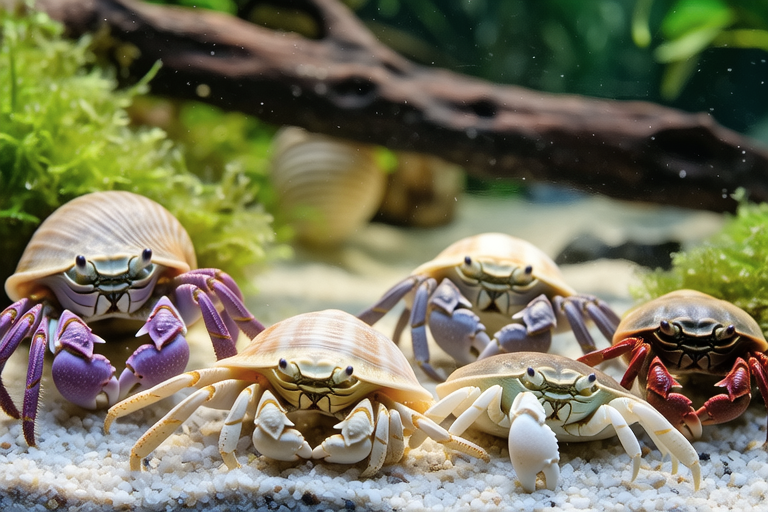
Hermit crabs are fascinating little creatures that have captured the hearts of many pet enthusiasts. Known for their unique ability to inhabit empty shells, these crustaceans are often misunderstood. They are not true crabs but rather members of the superfamily Paguroidea. Their distinctive feature is their soft, spiral-shaped abdomen that they protect by borrowing into discarded snail shells. These animals are found in various habitats, including tropical beaches and rocky shores. Debunking myths about hermit crabs is crucial as it helps ensure these creatures are cared for properly, promoting their well-being and longevity.
Myth 1: Hermit Crabs Live Solely Inside Shells
One common misconception is that hermit crabs live entirely within their shells. While hermit crabs do use shells for protection, they spend a significant amount of time outside their shells. They venture out to explore, eat, and interact with other hermit crabs. This myth is based on the assumption that hermit crabs are completely enclosed within their shells, which is incorrect. Hermit crabs can extend their legs and antennae outside their shells to move around and engage with their environment.
Myth 2: Hermit Crabs Are Easy to Care For
Another prevalent myth is that hermit crabs require minimal care. In reality, hermit crabs have specific environmental needs that must be met for their health and survival. They need a humid habitat, regular access to salt water for molting, and a variety of food sources. Proper care includes maintaining humidity levels, providing fresh and salt water, and offering a diverse diet. Neglecting these requirements can lead to health issues such as dehydration and malnutrition.
Myth 3: Hermit Crabs Don’t Need Fresh Water
Some believe that hermit crabs only need salt water. However, hermit crabs require both salt and fresh water for hydration and to maintain their gills. Without access to fresh water, hermit crabs can become dehydrated, leading to serious health problems. Providing both types of water ensures that hermit crabs can regulate their internal moisture levels effectively.
Myth 4: Hermit Crabs Are Completely Harmless
There’s a widespread belief that hermit crabs are completely harmless to humans and other pets. While hermit crabs are generally peaceful, they can become aggressive if threatened. Hermit crabs may pinch when feeling scared or defensive, which can be painful. Additionally, some species of hermit crabs are known to be territorial and may fight with others over shells or resources. It’s important to handle hermit crabs gently and provide ample space for them to coexist peacefully.
Myth 5: Hermit Crabs Are Strictly Vegetarians
Many assume that hermit crabs are herbivores, feeding exclusively on plant matter. In fact, hermit crabs are omnivorous and consume a wide range of foods, including fruits, vegetables, proteins, and even small insects. A balanced diet is essential for hermit crabs to thrive, ensuring they receive all necessary nutrients. Offering a variety of foods mimics their natural diet and supports their overall health.
Myth 6: Hermit Crabs Don’t Need Space to Climb
Some people think that hermit crabs don’t require climbing space in their tanks. Hermit crabs are naturally active and enjoy exploring vertical spaces. Providing climbing structures like branches, rocks, or artificial caves enriches their environment and promotes physical activity. Lack of climbing opportunities can lead to boredom and stress, affecting the hermit crabs’ well-being.
Myth 7: Hermit Crabs Can Survive Without a Shell
A popular myth is that hermit crabs can survive without a shell. In reality, hermit crabs rely heavily on their shells for protection. Without a shell, hermit crabs are vulnerable to predators and environmental hazards. Regularly replacing worn-out shells is essential for their safety and comfort. Hermit crabs will actively search for new shells as they grow or if their current one becomes damaged.
Myth 8: Hermit Crabs Are Nocturnal Creatures
It’s commonly thought that hermit crabs are strictly nocturnal. While hermit crabs are most active during the night, they are not exclusively nocturnal. They exhibit diurnal and crepuscular behaviors, meaning they can be active during the day and at dawn or dusk. Observing hermit crabs at different times of the day reveals their varied activity patterns.
Myth 9: Hermit Crabs Don’t Communicate
Some believe that hermit crabs are solitary creatures that don’t communicate. Hermit crabs, however, are social animals that interact with each other through various means. They communicate by tapping their antennae, producing sounds, and even engaging in synchronized movements. Understanding hermit crab communication can enhance their care and promote a healthier tank environment.
Myth 10: Hermit Crabs Don’t Feel Pain
The notion that hermit crabs don’t feel pain is a harmful misconception. Recent studies have shown that hermit crabs possess nociceptors, specialized neurons that detect potentially damaging stimuli. This indicates that hermit crabs can experience pain and discomfort. Treating hermit crabs with care and providing a comfortable environment is crucial for their welfare.
Tips for Proper Hermit Crab Care
Proper care is vital for the health and happiness of hermit crabs. Here are some essential tips:
- Maintain a humid environment, ideally between 70% and 80%, to prevent dehydration.
- Provide both fresh and salt water in shallow dishes for drinking and bathing.
- Offer a varied diet including fruits, vegetables, proteins, and occasional treats like dried shrimp or fish flakes.
- Ensure there are enough shells for hermit crabs to choose from, especially as they grow.
- Include climbing structures and hiding spots to enrich their environment and promote physical activity.
- Regularly clean the tank to prevent bacterial growth and ensure a healthy living space.
By understanding the truth behind these myths, we can better appreciate the complexity and uniqueness of hermit crabs. Proper care not only enhances their quality of life but also fosters a deeper connection with these intriguing creatures. Encouraging further exploration and learning about hermit crabs can lead to a greater appreciation of their role in marine ecosystems and the importance of responsible pet ownership.
