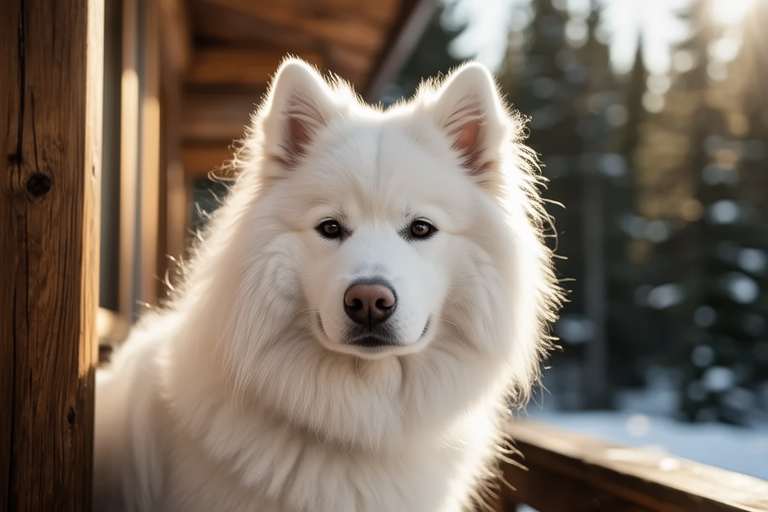
The Samoyed: From Siberian Companions to Beloved Pets
Samoyed dogs have captured hearts around the world with their striking appearance and gentle nature. These fluffy, white canines originated in Siberia, where they played a crucial role in the survival of indigenous tribes. Their history is as rich and fascinating as their iconic smile. Let’s explore the journey of the Samoyed from its roots in Siberia to its status as a cherished family pet.
The Origins of the Samoyed in Siberia
The Samoyed breed traces its ancestry back to Siberia, where it was developed by the nomadic Samoyede people. These indigenous tribes relied heavily on their dogs for survival. The Samoyed not only provided companionship but also helped herd reindeer, pull sleds, and even keep their owners warm during the harsh winter nights. The Samoyede people believed that the dogs had souls, and as such, treated them with utmost respect and care.
The Historical Role of Samoyeds
Historically, Samoyeds were invaluable to their human companions. They were bred to withstand the extreme cold and rugged terrain of Siberia. Their thick double coat, which provides excellent insulation, made them ideal for pulling sleds over snow-covered landscapes. Additionally, their herding instincts made them adept at managing reindeer herds. The bond between the Samoyede people and their dogs was profound, and this relationship laid the foundation for the breed’s enduring loyalty and affection.
The Transition to Pet Status
As exploration and trade expanded, Samoyeds began to leave their native land and travel to other parts of the world. Their impressive endurance and friendly demeanor caught the attention of explorers and travelers. By the late 19th century, Samoyeds started appearing in Europe and North America. Initially, they were used for sledding and hunting, but soon, people recognized their potential as loving and devoted family pets.
Physical Characteristics of the Samoyed
Samoyeds are known for their striking appearance. They possess a dense, double coat that comes in various shades of white, cream, or biscuit. This coat is their most distinguishing feature and serves as both a shield against the elements and a source of their famous “smile.” The outer layer consists of long, straight fur, while the undercoat is soft and thick. Their luxurious coat requires regular grooming to prevent matting and ensure overall health.
Samoyeds have a robust build, standing about 51 to 56 cm (20 to 22 inches) tall at the shoulder. Males tend to be slightly larger than females. Their expressive eyes, often described as almond-shaped, are typically dark brown, adding to their endearing appearance. The breed’s signature smile, caused by the upward curve of their lips, gives them an almost perpetually happy expression.
Temperament and Personality
Samoyeds are renowned for their friendly and sociable nature. They are known as the “smiling” breed due to their constant, joyful expressions. Their temperament is marked by loyalty, intelligence, and a strong desire to please their owners. Samoyeds thrive on human interaction and enjoy being part of family activities. They are generally good with children and other pets, making them excellent choices for households seeking a companion dog.
Despite their friendly disposition, Samoyeds can be somewhat independent thinkers. This intelligence means they require consistent training and socialization from an early age. Positive reinforcement techniques work best with this breed, as they respond well to praise and rewards. Their eagerness to learn makes them capable of excelling in obedience competitions and other canine sports.
Care Requirements for Samoyeds
Owning a Samoyed involves specific care needs to ensure their well-being. Regular grooming is essential to maintain their coat’s health and prevent skin issues. Brushing should be done several times a week, especially during shedding seasons when the undercoat is released in large quantities. Professional grooming may also be necessary to keep their coat looking its best.
Dietary considerations are important for maintaining a Samoyed’s energy levels and overall health. A balanced diet rich in proteins, fats, and carbohydrates is recommended. Owners should consult with a veterinarian to determine the appropriate amount of food based on the dog’s age, weight, and activity level. Regular exercise is vital for keeping Samoyeds physically fit and mentally stimulated. Daily walks and play sessions help prevent behavioral problems associated with boredom or excess energy.
Veterinary care should not be overlooked. Regular check-ups, vaccinations, and preventive treatments for parasites are necessary to safeguard their health. Early detection and treatment of any health issues can significantly improve their quality of life.
Popular Myths Surrounding the Samoyed Breed
There are several misconceptions about Samoyeds that deserve clarification. One common myth is that their coat does not shed. In reality, all dogs shed, including Samoyeds, though their shedding is more noticeable due to the volume of hair. Another misconception is that they are hypoallergenic. While some individuals may have fewer allergic reactions to Samoyeds, no dog breed is completely hypoallergenic.
Some people believe that Samoyeds are aggressive due to their size and strength. However, this could not be further from the truth. Properly trained and socialized Samoyeds are gentle and friendly towards both humans and animals. Their reputation for aggression is often based on poor breeding practices rather than inherent traits of the breed.
Heartwarming Stories and the Unique Bond with Families
The bond between Samoyeds and their families is truly special. Many owners recount stories of their dogs’ unwavering loyalty and affection. One owner shared how their Samoyed would follow them everywhere, from the kitchen to the backyard, always seeking opportunities to be close. Another story tells of a Samoyed who comforted a child during a difficult time, providing a sense of security and companionship.
Samoyeds are particularly skilled at reading human emotions. They can sense when their owners are sad or upset and will offer comfort through gentle nudges and licks. This emotional intelligence fosters a deep connection between Samoyed and their human companions. Their ability to provide emotional support makes them ideal therapy dogs, bringing joy and relief to those in need.
Conclusion
The Samoyed has come a long way from its origins in Siberia to become one of the world’s most beloved dog breeds. Their history is filled with tales of bravery, loyalty, and companionship. Today, they continue to captivate hearts with their striking appearance, friendly demeanor, and unique bond with their families. Whether you’re considering adopting a Samoyed or already share your life with one, these dogs offer a lifetime of love, laughter, and unforgettable moments.
