The Ultimate Guide to Living with a Siberian Husky – Tips for Every Owner
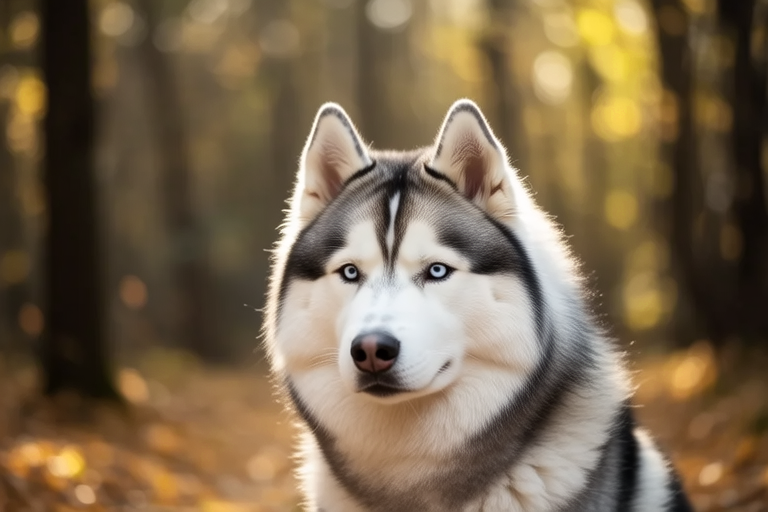
Siberian Huskies are iconic dogs known for their striking blue or multi-colored eyes, thick double coats, and wolf-like appearance. Originally bred by the Chukchi people of Northeastern Asia to pull sleds across vast snowy terrains, these dogs have a rich history that spans thousands of years. Their unique blend of strength, endurance, and loyalty has made them popular pets worldwide. However, owning a Siberian Husky comes with its own set of challenges, which this guide aims to address comprehensively.
Basic Care
Providing proper care for your Siberian Husky is essential to ensure they lead a healthy and happy life. These dogs require a balanced diet, regular veterinary check-ups, and a safe living environment. Ensure your home is secure, especially if you have a yard, as Huskies are notorious escape artists. They need sturdy fencing to prevent them from wandering off. Additionally, keep an eye out for any signs of boredom or anxiety, as these can lead to destructive behaviors.
Exercise Needs
Siberian Huskies are highly energetic dogs that thrive on physical activity. They were originally bred to pull sleds over long distances, so it’s crucial to meet their exercise needs to keep them mentally and physically stimulated. Daily walks or runs are recommended, but these dogs also enjoy more intense activities such as hiking, swimming, and playing fetch. If possible, consider joining a local dog sledding club or participating in canine sports like agility or obedience trials. Regular exercise not only helps maintain their weight but also prevents behavioral problems caused by pent-up energy.
Dietary Requirements
Feeding a Siberian Husky requires attention to their specific nutritional needs. They are prone to obesity if overfed, so portion control is key. A high-quality diet rich in protein and fat is ideal, as it mimics what they would eat in the wild. Consult with your veterinarian to determine the appropriate amount of food based on your dog’s age, size, and activity level. Avoid feeding them rawhide chews or bones, as these can pose choking hazards. Fresh water should always be available, especially during hot weather.
Grooming Tips
Grooming is an important part of maintaining your Siberian Husky’s health and appearance. Their thick double coat sheds heavily, particularly during spring and fall. Regular brushing, at least twice a week, helps reduce shedding and keeps their coat shiny. During heavy-shedding periods, daily brushing may be necessary. Bathing should be done sparingly, about every six weeks, to avoid stripping natural oils from their skin. Pay special attention to their ears, eyes, and nails, trimming nails regularly to prevent overgrowth.
Training Methods
Training a Siberian Husky can be challenging due to their independent nature and strong will. Patience and consistency are key when teaching commands. Positive reinforcement techniques, such as treats and praise, work best. Start training early and keep sessions short and fun to maintain their interest. Socialization is also crucial; expose your puppy to various environments, people, and other animals to foster good behavior. Remember, Siberian Huskies are pack animals and respond well to leadership. Establish yourself as the alpha early on to ensure cooperation.
Common Health Issues
While generally healthy, Siberian Huskies are susceptible to certain genetic disorders. Common issues include hip dysplasia, cataracts, and progressive retinal atrophy. Regular vet visits are essential for early detection and treatment. Watch for signs of illness, such as lethargy, loss of appetite, or changes in behavior. Maintaining a healthy weight and providing a nutritious diet can help prevent many health problems. Early intervention can make a significant difference in managing these conditions.
Social Behavior
Siberian Huskies are social dogs that enjoy being part of a family. They tend to get along well with children and other pets, provided they are properly introduced. Their friendly nature makes them excellent companions, but they can be aloof with strangers. Early socialization is important to ensure they develop good manners around people and animals. They are pack-oriented and prefer to live with other dogs, though they can adapt to solo living if given sufficient attention and exercise.
Handling High Energy Levels and Strong Prey Drive
One of the biggest challenges of owning a Siberian Husky is managing their high energy levels and strong prey drive. Providing ample opportunities for physical activity and mental stimulation is crucial. Interactive toys and puzzle feeders can help keep them engaged while you’re away. When walking your Husky, always use a leash and harness to prevent them from chasing small animals. Training and consistent reinforcement of commands can help manage their prey drive. Consider enrolling in advanced obedience classes to further refine their behavior.
Personal Anecdotes and Owner Testimonials
Many owners find that despite the challenges, living with a Siberian Husky is incredibly rewarding. One owner, Sarah, shared her experience: “My Siberian Husky, Luna, has brought so much joy into my life. She’s full of energy and always ready for adventure. While she can be stubborn at times, her loyalty and companionship make all the effort worth it. I’ve learned that patience and consistency are key to raising a well-behaved Husky.” Another owner, Mike, added, “Training my Husky was definitely a learning curve, but the bond we’ve formed is unbreakable. Her intelligence and playful nature make each day with her a delight.”
Living with a Siberian Husky requires dedication and understanding of their unique traits. By providing proper care, meeting their exercise needs, and addressing their dietary requirements, you can ensure your Siberian Husky leads a fulfilling and healthy life. With patience, love, and consistency, you’ll create a strong bond that will last a lifetime.
