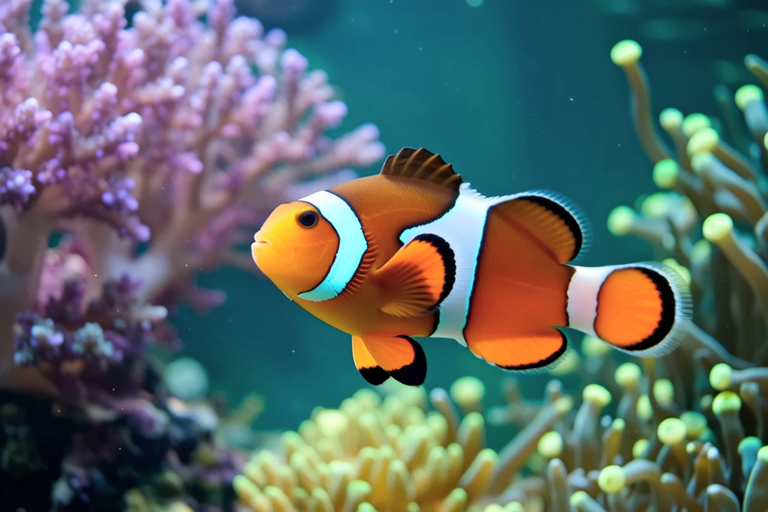
Top Secrets for Successfully Raising Clownfish in Saltwater Aquariums
Welcome to the fascinating world of saltwater aquariums! Among the most popular choices for marine enthusiasts, clownfish are known for their vibrant colors and captivating behavior. This article will guide you through the essential steps to create a thriving habitat for these delightful creatures. Whether you’re a beginner or an experienced aquarist, our expert advice will ensure your clownfish enjoy a healthy and happy life.
Setting Up the Ideal Habitat
The first step in successfully raising clownfish is creating the perfect environment. Clownfish are native to coral reefs, so replicating this ecosystem is crucial. Start by choosing a tank that provides ample space; at least 30 gallons is recommended for a single pair of clownfish. Larger tanks offer more stability and allow for better water circulation, which is vital for maintaining water quality.
Incorporate live rock into your setup. Not only does it provide hiding spots and grazing surfaces for beneficial bacteria, but it also mimics the natural reef environment. Ensure the live rock is well-established before introducing your clownfish. Additionally, include plenty of caves and crevices where your clownfish can feel secure. Anemones, while not mandatory, are highly beneficial as they offer a natural refuge and help enhance the overall aesthetic of the tank.
Proper lighting is another critical aspect of setting up your clownfish habitat. Use high-quality LED lights with a full spectrum to simulate daylight and promote photosynthesis in any live corals or plants. A photoperiod of 8-10 hours per day is usually sufficient.
Maintaining Water Quality
Water quality is paramount for the health and longevity of your clownfish. Regular monitoring and maintenance are necessary to ensure optimal conditions. Invest in reliable test kits to check ammonia, nitrite, nitrate, pH, and salinity levels. Aim for a stable pH between 8.1 and 8.4, and maintain a specific gravity of 1.020 to 1.025.
Adequate filtration is essential for keeping the water clean and free from harmful substances. Choose a filter that can handle the volume of your tank and provides mechanical, chemical, and biological filtration. Regular water changes are equally important; aim for a 10% weekly change to remove accumulated waste and replenish essential minerals.
Temperature control is another key factor. Maintain a consistent temperature between 76°F and 82°F (24°C to 28°C). A reliable heater with a built-in thermostat can help achieve this. Equip your tank with a thermometer to monitor fluctuations.
Selecting Compatible Tank Mates
Choosing the right tank mates is crucial for the well-being of your clownfish. Clownfish are generally peaceful and can coexist with many other species, provided there’s enough space and resources. Good companions include small wrasses, gobies, and blennies. Avoid aggressive fish like triggerfish or tangs, as they may harass or harm your clownfish.
It’s also important to consider the size of your tank when adding additional inhabitants. Overcrowding can lead to stress and disease, so always ensure there’s adequate swimming space for all residents. Compatibility with corals and invertebrates is equally significant, as some species may be predatory or territorial.
Feeding Requirements
Clownfish are omnivorous and require a balanced diet to thrive. In the wild, they feed on zooplankton, algae, and small crustaceans. Replicate this diet in captivity by offering a variety of foods, including high-quality flake food, pellets, frozen or freeze-dried brine shrimp, mysis shrimp, and occasional live treats like blackworms or glassworms.
Feed your clownfish two to three times a week, providing only what they can consume within a few minutes. Overfeeding can lead to poor water quality and obesity. It’s also advisable to target-feed your clownfish, especially if you have other fish in the tank. This ensures they receive adequate nutrition without competing for food.
Common Health Issues
Despite your best efforts, clownfish may still encounter health issues. Early detection and prompt treatment are vital for recovery. Common ailments include ich, velvet disease, and bacterial infections. Recognizing the symptoms and taking immediate action can prevent the spread of illness throughout your tank.
Ich presents as tiny white spots on the fish’s body and fins. Velvet disease causes a gold dust-like appearance. Both conditions are treatable with appropriate medications available at pet stores. Bacterial infections often manifest as fin rot, ulcers, or lethargy. Quarantine affected fish and administer antibiotics under veterinary guidance.
Regular observation of your clownfish is key to early diagnosis. Look for signs of distress, such as labored breathing, clamped fins, or unusual behavior. Maintaining pristine water conditions and a balanced diet can significantly reduce the risk of illness.
Unique Needs of Clownfish
Clownfish have unique requirements that set them apart from other marine species. One of the most notable is their symbiotic relationship with certain sea anemones. While not obligatory, housing anemones in your tank can enhance the overall health and happiness of your clownfish. The anemone provides protection, while the clownfish offers nutrients through its waste.
Another distinctive trait is their ability to change sex. Clownfish are protandrous hermaphrodites, meaning they start as males and can transition to females if needed. Understanding this aspect is crucial when planning your tank’s population dynamics. A mated pair typically consists of a dominant female and a subordinate male.
Expert Advice for Beginners and Experienced Aquarists
For beginners, patience is key. Setting up a new saltwater aquarium requires time and effort to establish a stable environment. Follow the guidelines outlined above and seek advice from experienced aquarists or professionals at local pet stores. Joining online forums and attending workshops can also provide valuable insights.
Experienced aquarists should continuously refine their techniques and stay updated on the latest advancements in marine biology. Experiment with different tank setups, try new feeding strategies, and explore innovative ways to enrich your clownfish’s habitat. Sharing knowledge and experiences with fellow enthusiasts can inspire new ideas and approaches.
Regardless of your experience level, remember that each clownfish is unique. Observe their behavior, adapt your practices accordingly, and always prioritize their welfare. By doing so, you’ll create a thriving environment that fosters growth, happiness, and longevity for your beloved clownfish.
Conclusion
Raising clownfish in a saltwater aquarium is a rewarding endeavor that combines science, art, and passion. By following the tips and expert advice presented in this article, you can ensure your clownfish enjoy a healthy and vibrant existence. Remember to set up the ideal habitat, maintain water quality, select compatible tank mates, provide proper feeding, and address common health issues promptly. With dedication and care, your clownfish will bring joy and wonder to your aquatic world.
