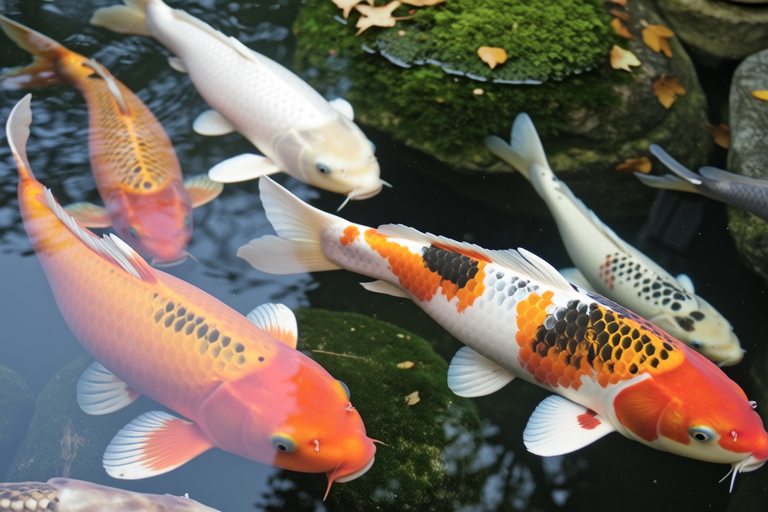
Koi Pond Mastery: Unveiling Secrets to Healthy and Radiant Fish
In the realm of aquatic enthusiasts, koi ponds stand out as more than just water features; they are living ecosystems that blend aesthetics with ecological benefits. These ponds, often adorned with vibrant koi fish, serve as tranquil retreats that enhance the beauty of gardens and landscapes. Beyond their visual appeal, koi ponds play a significant role in promoting biodiversity and supporting local wildlife. They can attract various species of birds, insects, and even amphibians, contributing to a healthier environment.
The Significance of Koi Ponds
On an aesthetic level, koi ponds offer a serene ambiance, providing a peaceful escape from the hustle and bustle of daily life. The sight of colorful koi gracefully swimming through clear waters can be both calming and inspiring. Moreover, these ponds add value to properties, making them a popular choice among homeowners and landscape designers. In terms of ecology, koi ponds support a diverse array of organisms, fostering a balanced ecosystem.
Maintaining Water Quality
To ensure the health and longevity of koi, it is crucial to maintain optimal water quality. This involves managing several key factors:
- Filtration Systems: A well-designed filtration system is the backbone of any successful koi pond. It helps remove debris, excess food, and harmful chemicals, ensuring clean and healthy water. Filters can be mechanical, biological, or chemical, each playing a vital role in maintaining water clarity and purity.
- Regular Cleaning: Regular maintenance, including skimming the surface for leaves and other debris, vacuuming the bottom, and removing algae growth, is essential. This prevents the accumulation of pollutants that could harm your fish.
- Beneficial Bacteria: Introducing beneficial bacteria into the pond helps break down organic waste, reducing ammonia and nitrite levels. These bacteria are critical for maintaining a stable nitrogen cycle, which is vital for fish health.
Proper Feeding Techniques
Feeding koi correctly is as important as maintaining water quality. Koi require a balanced diet to thrive:
- Nutrition: High-quality koi pellets formulated with essential nutrients are ideal. Look for foods rich in protein, vitamins, and minerals to promote growth and overall health.
- Portion Control: Overfeeding can lead to poor water quality and obesity in fish. Feed only what the fish can consume within a few minutes, typically no more than twice a day.
- Seasonal Adjustments: Reduce feeding during colder months when koi become less active. In warmer weather, increase feedings to match their higher activity levels and metabolism.
Creating a Healthy Pond Environment
A healthy pond environment supports the well-being of koi fish:
- Adequate Oxygen Levels: Ensure sufficient oxygenation through aeration devices like waterfalls, fountains, or air pumps. Low oxygen levels can stress fish and lead to health issues.
- Suitable Pond Size: Larger ponds generally provide better conditions for fish due to increased water volume, which dilutes waste and stabilizes temperature fluctuations.
- Appropriate Plant Selection: Incorporate aquatic plants that provide shade, oxygenate the water, and serve as natural filters. Plants also offer hiding spots and breeding grounds for beneficial organisms.
Common Health Issues and Preventive Measures
Despite best efforts, koi may still face health challenges:
- Parasitic Infections: Parasites like ich and flukes can cause distress. Regularly inspect fish for signs of infection and treat promptly with appropriate medications.
- Bacterial and Fungal Diseases: Maintain good water quality and hygiene to prevent bacterial and fungal infections. Use antibiotics or antifungal treatments if necessary.
- Environmental Stress: Sudden changes in water temperature or chemistry can stress fish, making them susceptible to illness. Gradual adjustments and consistent monitoring are key.
Selecting and Integrating New Fish
Integrating new fish into an established pond requires careful planning:
- Quarantine: Before adding new fish, quarantine them in a separate tank for at least two weeks to monitor their health and acclimate them to pond conditions.
- Gradual Introduction: Once quarantined, introduce new fish gradually by floating their container on top of the pond for about 30 minutes. This allows them to adjust to the pond’s temperature and chemistry.
- Monitor Interactions: Observe interactions between new and existing fish. Ensure compatibility and intervene if aggressive behavior is observed.
By following these guidelines, you can create a vibrant and thriving koi pond. Remember, the key to success lies in attention to detail and a commitment to providing the best possible care for your fish. With dedication and the right knowledge, your koi pond will not only be a beautiful addition to your garden but also a sanctuary where these magnificent creatures can flourish.
