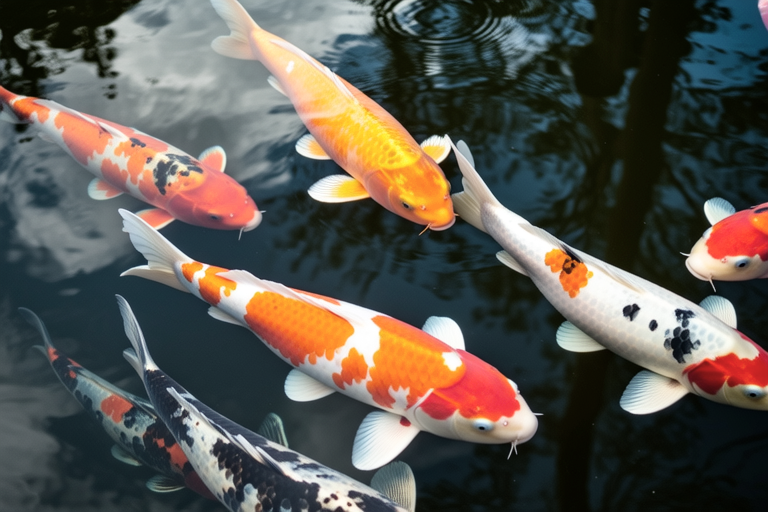
Unleashing the Beauty: A Guide to Raising Vibrant Koi
Selecting Healthy Koi
Choosing the right koi is the first step in ensuring you have a vibrant and healthy pond. When selecting your koi, look for fish that are active and alert, with clear eyes and well-formed fins. Avoid any fish that appear lethargic, have cloudy eyes, or exhibit signs of injury or disease. Healthy koi should also have smooth, even scales and no visible parasites.
Inspect the body shape as well; ideally, it should be symmetrical without any deformities. Additionally, ensure that the coloration is rich and consistent across the entire body. The best time to purchase koi is early in the morning when they are most active and can show off their true colors and vitality.
Setting Up an Optimal Pond Environment
The environment in which your koi live is crucial for their health and longevity. Start by choosing a location for your pond that receives partial shade to protect the koi from direct sunlight, which can cause stress and increase algae growth. Ensure there is enough space for the number of koi you plan to keep, allowing at least 10 gallons of water per inch of fish.
Install a filtration system capable of handling the volume of water in your pond. This will help maintain water clarity and reduce the need for frequent water changes. Incorporate a UV sterilizer if possible, to further enhance water quality by eliminating harmful microorganisms.
Plant aquatic vegetation around the edges of the pond. Not only do plants add aesthetic value, but they also provide oxygen and natural filtration. Consider adding rocks and other structures to create hiding spots and stimulate natural behaviors.
Maintaining Water Quality
Water quality is paramount for koi health. Regularly test the water parameters such as pH, ammonia, nitrite, and nitrate levels. Keep the pH between 7.2 and 8.0, and ensure ammonia and nitrite levels remain at zero. Nitrate levels should be kept below 40 ppm.
Aerate the water continuously to prevent stagnation and promote oxygen circulation. Use a pump or waterfall to achieve this effect. Perform routine water changes, replacing about 10% of the water weekly to dilute accumulated waste products and replenish beneficial minerals.
Monitor temperature fluctuations carefully, especially during seasonal changes. Sudden temperature shifts can stress koi, making them more susceptible to disease. Use heaters or coolers as necessary to maintain stable conditions.
Proper Feeding Techniques
Feeding your koi correctly is essential for their growth and overall well-being. Feed them high-quality pellets designed specifically for koi, which contain balanced nutrients including proteins, fats, carbohydrates, vitamins, and minerals. Adjust the amount fed based on the size and number of koi, typically offering what they can consume within five minutes.
Feed koi twice daily, once in the morning and again in the evening. Reduce feedings during colder months when koi become less active and their metabolism slows down. Overfeeding can lead to poor water quality and obesity, so always err on the side of caution.
Vary their diet occasionally with treats like shelled peas, blanched vegetables, and occasional live foods like brine shrimp or bloodworms. These additions can enhance coloration and provide extra nutrients.
Preventing and Treating Common Diseases
Despite your best efforts, koi may still fall ill. Common diseases include ich (white spot disease), fin rot, and bacterial infections. Early detection and prompt treatment are key to recovery. Quarantine new arrivals before introducing them to the main pond to prevent spreading illnesses.
If you notice signs of disease—such as unusual behavior, lesions, or excessive mucus production—act quickly. Consult a veterinarian specializing in aquatic animals for diagnosis and treatment options. Always follow instructions carefully when administering medication, and monitor the pond closely afterward.
To prevent diseases, maintain excellent water quality, avoid overcrowding, and quarantine sick fish immediately. Implement a strict cleaning schedule and disinfect nets and other equipment regularly.
Enhancing Koi’s Vibrant Colors
Koi enthusiasts often strive to enhance the vibrant colors of their beloved fish. Proper nutrition plays a significant role here; feed koi diets rich in carotenoids, which are responsible for red and orange hues. Certain brands offer specialized feeds formulated to intensify colors.
Limit exposure to ultraviolet light, as prolonged sun exposure can fade colors over time. Provide plenty of shade within the pond area. Regular water changes also contribute to better coloration by refreshing the environment and reducing stress.
Ensure that koi are comfortable and unstressed. Stress can dull colors, so providing adequate space, good water quality, and appropriate feeding practices will help maintain vibrant appearances.
Importance of Regular Maintenance and Seasonal Care Adjustments
Regular maintenance ensures that your koi pond remains healthy and inviting throughout the year. This includes weekly checks of water parameters, monthly filter cleanings, and annual deep cleans of the pond itself.
Seasonal adjustments are necessary too. In spring, check for any winter damage and perform a thorough cleaning. As summer approaches, increase aeration due to higher temperatures. Fall brings cooler weather, so gradually decrease feeding amounts. Winter requires special attention to protect against freezing temperatures.
By staying proactive with maintenance and adjusting care according to the seasons, you’ll create a thriving habitat where your koi can flourish.
