The Ultimate Guide to Goldfish Care for Beginners
Understanding Goldfish Anatomy and Behavior
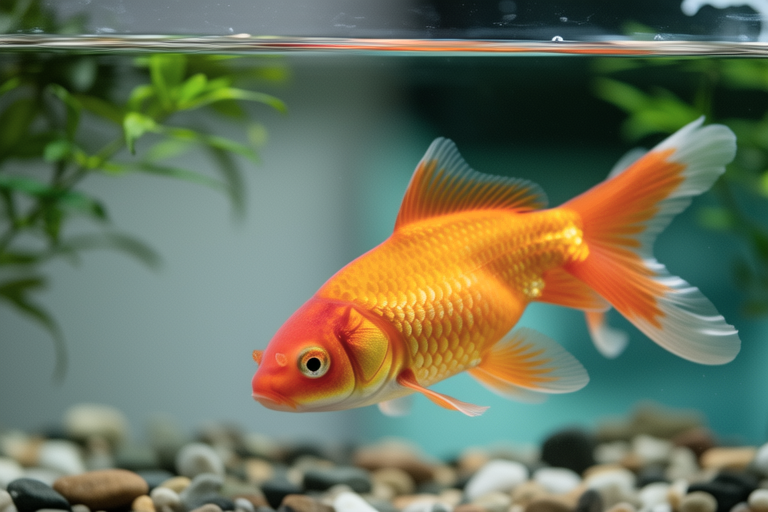
Goldfish are popular aquarium fish known for their vibrant colors and friendly nature. To provide the best care, it’s important to understand their anatomy and behavior.
Goldfish have a unique respiratory system that uses both gills and a swim bladder to extract oxygen from water. They also possess a lateral line system, which helps them sense vibrations and changes in water pressure, aiding navigation and communication. Goldfish are social creatures and often enjoy the company of other goldfish. They are active swimmers and can be seen exploring their environment, playing with toys, or simply swimming around.
Choosing the Right Tank Size and Equipment
One of the most critical decisions when setting up a goldfish tank is selecting the appropriate tank size. A common misconception is that goldfish can thrive in small tanks; however, they require ample space to grow and move comfortably.
Adequate filtration is crucial as goldfish produce waste, leading to ammonia build-up. Choose a filter that can handle at least four times the volume of your tank per hour. For example, if you have a 20-gallon tank, opt for a filter capable of filtering 80 gallons per hour.
Heating is generally not necessary unless the ambient temperature drops below 68°F (20°C). Goldfish are coldwater fish and can tolerate temperatures between 65°F and 75°F (18°C to 24°C).
Substrate, decorations, and plants enhance the tank’s aesthetics and provide hiding spots and resting places for your goldfish. Use non-toxic gravel or sand as substrate and add live or artificial plants.
Maintaining Proper Water Quality
Water quality directly impacts your goldfish’s health and well-being. Regular monitoring and maintenance ensure a healthy living environment.
Ammonia, nitrite, and nitrate levels should be checked regularly. Ammonia and nitrite should be undetectable, while nitrate levels should remain below 40 ppm. Water changes are essential to maintaining these levels. Aim for weekly water changes, replacing about 25% of the tank’s water each time.
Proper aeration is vital for goldfish as they rely on dissolved oxygen in the water. An air pump with an airstone will help maintain adequate oxygen levels. Additionally, ensure the tank has enough surface area for gas exchange.
pH levels should be maintained between 6.5 and 8.0. Goldfish can adapt to a range of pH levels, but sudden changes can stress them. Avoid using distilled or softened water, as they lack essential minerals.
Feeding Your Goldfish Properly
Goldfish are omnivores, meaning they eat both plant and animal matter. A balanced diet ensures optimal health and growth.
Commercial goldfish food is readily available and formulated to meet their nutritional needs. Look for high-quality brands that offer a variety of nutrients. Feed your goldfish twice daily, offering only what they can consume within a few minutes. Overfeeding can lead to poor water quality and health issues.
In addition to commercial food, you can supplement their diet with occasional treats like blanched vegetables, brine shrimp, or daphnia. These additions provide variety and enrichment.
Ensure a consistent feeding schedule to promote regular digestion and metabolism. Avoid feeding your goldfish human food, as it can cause digestive issues and obesity.
Common Health Issues and Preventive Measures
Like any pet, goldfish can face various health issues. Early detection and prompt treatment are key to ensuring their well-being.
Fungal infections often appear as white patches on the body or fins. Maintaining clean water and avoiding overcrowding can prevent fungal growth. If detected, consult a veterinarian for appropriate medication.
Bacterial infections may cause redness, ulcers, or fin rot. Keeping the tank clean and providing a stress-free environment can reduce the risk. Treatments are available but should be administered under veterinary guidance.
Swim bladder disorders, characterized by difficulty swimming upright, can result from overfeeding or constipation. Adjusting the diet and providing a more fibrous component can aid recovery. Consult a vet if symptoms persist.
Regular observation and prompt action are essential. Monitor your goldfish’s behavior, appearance, and appetite. Any unusual signs should prompt a review of tank conditions and, if necessary, a visit to a veterinarian.
Tips for Creating a Stimulating Environment
Creating a stimulating environment enriches your goldfish’s life and promotes overall well-being.
Add floating plants or decorations to provide shade and hiding spots. Goldfish appreciate areas where they can rest and feel secure. Ensure these items are safe and non-toxic.
Incorporate interactive elements like tunnels or caves to encourage exploration. Goldfish enjoy investigating their surroundings, which stimulates mental and physical activity.
Consider adding a gentle current to mimic natural water flow. This encourages swimming and exercise, promoting cardiovascular health.
Rotate toys and decorations periodically to keep the environment fresh and engaging. Regular changes prevent boredom and maintain interest.
