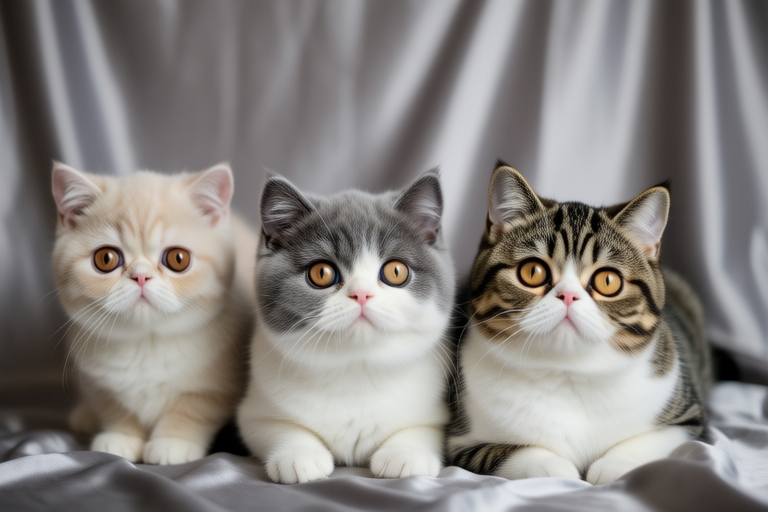
Adorable Munchkins: The World’s Shortest Cats
Welcome to the enchanting world of Munchkin cats, a breed that has captured the hearts of cat enthusiasts and potential pet owners alike with their unique charm and adorable appearance. These short-legged felines are often referred to as the “shortest cats in the world,” and for good reason. With their distinct physical traits, delightful temperament, and intriguing history, Munchkins have become a favorite among cat lovers everywhere.
A Brief History of the Munchkin Cat
The story of the Munchkin cat is as fascinating as it is charming. The breed was first discovered in the United States in the 1980s when a woman named Sandra Hochenedel found two pregnant cats hiding under a pickup truck. One of these cats, a black shorthair, had unusually short legs. She named one of the kittens, which was also short-legged, “Toulouse,” after the famous French city known for its architecture. This discovery marked the beginning of the Munchkin cat breed.
Over time, Toulouse was bred with other cats, and the resulting offspring inherited the same distinctive trait: shorter-than-average legs. This genetic mutation, caused by a dominant gene, resulted in a new and unique breed of cat. The breed was officially recognized by The International Cat Association (TICA) in 2003, and since then, Munchkins have been gaining popularity worldwide.
Physical Traits of Munchkin Cats
Munchkin cats are instantly recognizable due to their most prominent feature: their exceptionally short legs. However, their short stature does not detract from their overall elegance. In fact, their proportions are quite balanced, giving them a unique and endearing appearance. Their bodies are typically muscular and agile, and their heads are rounded with large, expressive eyes that add to their charm.
One of the most striking aspects of Munchkins is their variety of coat types and colors. They come in both long-haired and short-haired varieties, with coats that can be silky smooth or fluffy. Their fur can range from solid colors to patterns like tabby, tortoiseshell, and calico. This diversity in appearance means there’s a Munchkin out there for every cat lover’s preference.
Besides their short legs and varied coat types, Munchkins also have distinct facial features. Their wide-set, almond-shaped eyes are often described as soulful, and their ears are medium-sized and set high on their heads. Their whiskers are typically longer than average, adding to their quirky and lovable look.
Temperament and Personality
Munchkin cats are known for their friendly and social nature, making them excellent companions for families and individuals alike. They are highly adaptable and enjoy interacting with people, which makes them great pets for households with children or other pets. Their playful and curious personalities mean they are always up for a game or adventure, whether it’s chasing a toy or exploring new areas of the house.
Despite their small size, Munchkins are surprisingly energetic. Their agility and quick reflexes allow them to leap and jump with surprising grace, despite their shorter legs. They are also known for their intelligence, often figuring out how to open doors or cabinets to get to treats or toys. This cleverness can sometimes lead to mischief, but it also adds to their charm and makes them even more endearing.
Munchkins are generally calm and easygoing, which makes them well-suited for apartment living. They are not overly demanding of attention but do enjoy being around their human companions. They are affectionate without being clingy, and their gentle nature means they are perfect for those looking for a loving but independent pet.
Health Considerations
While Munchkin cats are generally healthy, their unique physical trait—shorter legs—does come with some potential health considerations. One of the main concerns is lordosis, a condition where the spine curves inward, potentially leading to breathing difficulties or digestive issues. Another issue is pectus excavatum, a deformity of the chest wall that can affect heart and lung function.
Due to these potential health risks, responsible breeding practices are crucial. Reputable breeders will ensure that the cats they breed are healthy and free from genetic disorders. It’s important for potential owners to research and choose a breeder who prioritizes the health and well-being of their cats. Regular veterinary check-ups and a nutritious diet can also help maintain the overall health of your Munchkin.
Despite these challenges, many Munchkin cats live healthy, happy lives. With proper care and attention, they can thrive and bring joy to their families for many years.
Popular Myths Surrounding Munchkin Cats
As with any unique breed, there are several myths and misconceptions surrounding Munchkin cats. One common myth is that their short legs make them less active or less capable of movement. In reality, Munchkins are quite agile and can move surprisingly fast for their size. Their short legs do not hinder their ability to play, jump, or explore, and they are just as energetic as other cat breeds.
Another myth is that Munchkins are prone to back problems because of their short legs. While it’s true that some Munchkins may develop spinal issues, this is not necessarily a universal problem. With proper care and regular vet check-ups, many Munchkins live healthy lives without experiencing significant back issues.
Some people also believe that Munchkins were created through unethical breeding practices. While there have been instances of irresponsible breeding, the majority of reputable breeders take great care to ensure the health and happiness of their cats. It’s important for potential owners to do their research and choose a responsible breeder to avoid contributing to any negative practices.
Interesting Facts About Munchkin Cats
Munchkin cats are full of surprises, and there are many interesting facts that highlight their charm and appeal. Did you know that Munchkin cats are often compared to the famous cartoon character, Garfield? Both have a similar build and personality, making them relatable and beloved by fans of both real and fictional cats.
Another fun fact is that Munchkin cats are incredibly versatile. Despite their small size, they are capable of adapting to various environments. Whether you live in a cozy apartment or a spacious home, a Munchkin can find a comfortable place to call home. Their adaptability makes them ideal pets for different lifestyles.
Additionally, Munchkin cats are known for their strong hunting instincts. Even though they are domesticated, they still retain the skills of their wild ancestors. This means they are natural hunters and can be quite skilled at catching prey, whether it’s a toy mouse or an actual insect. This instinctive behavior can provide hours of entertainment for both the cat and its owner.
Finally, Munchkin cats have a unique way of moving. Due to their shorter legs, they often adopt a waddle-like gait, which can be both amusing and charming to watch. This distinctive walk adds to their quirky and adorable appearance, making them even more appealing to potential owners.
Conclusion
Munchkin cats are truly one-of-a-kind creatures that have captured the hearts of many with their unique appearance, delightful personalities, and captivating history. From their short legs and varied coats to their playful and intelligent nature, Munchkin cats offer a lot of charm and appeal. While there are some health considerations to keep in mind, with proper care and attention, these adorable munchkins can bring joy and companionship to their families for many years.
If you’re considering adopting a Munchkin cat, be sure to do your research and choose a reputable breeder. With the right care and attention, a Munchkin can become a cherished member of your family, providing endless love and companionship. Whether you’re a seasoned cat owner or a first-time pet parent, a Munchkin cat could be the perfect addition to your household.
