From Egg to Adult: Journey Through the Life Stages of Leopard Geckos
Leopard geckos have become one of the most popular reptiles among pet owners. Their docile nature, ease of care, and vibrant color patterns make them an ideal choice for both novice and experienced reptile enthusiasts. This article will guide you through the fascinating journey of a leopard gecko from its embryonic development inside the egg to its full maturity as an adult.
The Embryonic Development Stage
The journey begins with the fertilization of the egg. Female leopard geckos can store sperm for several months, allowing them to lay fertile eggs even after mating. Once the female lays her eggs, she buries them in a warm, moist substrate to incubate. The temperature during incubation plays a crucial role in determining the sex of the offspring. Warmer temperatures tend to produce more males, while cooler temperatures favor females.
Inside the egg, the embryo undergoes significant development. Initially, it appears as a tiny dot, but over time, distinct features such as eyes, limbs, and tail start to form. This process typically takes around 45 to 60 days. During this period, it is essential to maintain consistent temperature and humidity levels to ensure healthy development.
Hatching: The Birth of a New Leopard Gecko
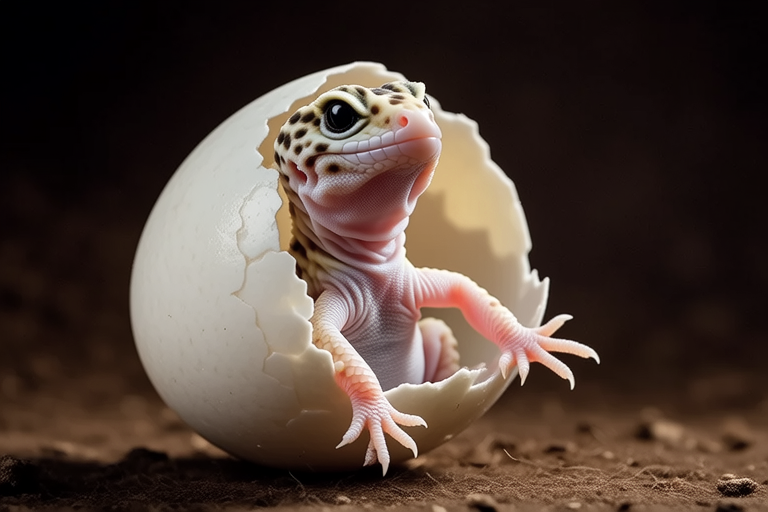
After the incubation period, the baby leopard gecko (also known as hatchling) is ready to emerge from its egg. Using a special tooth called the ‘egg tooth,’ the hatchling breaks through the shell. This process can take several hours, during which the gecko absorbs the remaining yolk sac to provide nutrients.
Once out of the egg, the hatchling sheds its skin for the first time. This process helps remove any remaining parts of the egg tooth and the remnants of the yolk sac. At this stage, the hatchling is very small, measuring about 3 inches in length and weighing approximately 3 grams. They are fully equipped with the ability to hunt and care for themselves.
Juvenile Growth: From Hatchling to Subadult
The juvenile stage is marked by rapid growth and development. During this period, the leopard gecko focuses on increasing its size and strength. Juveniles require a diet rich in protein, such as crickets, mealworms, and waxworms. It is important to feed them frequently, often every day or every other day, depending on their appetite and size.
Juvenile leopard geckos grow quickly, doubling in size within the first few weeks. Their skin becomes smoother and more vibrant as they mature. Around six months of age, they reach sub-adulthood, where they begin to develop the distinctive spots that give them their name. This is also when they start to show signs of sexual dimorphism, with males developing larger heads and more prominent tails than females.
Adulthood: A Fully Mature Leopard Gecko
Leopard geckos reach sexual maturity between 9 to 12 months of age. At this point, they are considered adults and can begin breeding. Adult males can be territorial and may display aggressive behavior towards other males. Therefore, it is advisable to house only one male per enclosure unless planning to breed them.
Adult leopard geckos have reached their full size, typically ranging from 8 to 10 inches in length. They have well-defined spots and a robust build. Their dietary needs shift slightly from juveniles, requiring fewer feedings but larger prey items. Adults need a balanced diet to maintain their health and longevity.
Dietary Needs Throughout the Lifecycle
Leopard geckos are insectivores, meaning their diet consists mainly of insects. The type and quantity of food depend on the gecko’s age and size. For hatchlings and juveniles, smaller insects like pinhead crickets are suitable. As they grow, the size of the prey should increase accordingly. Gut-loading the insects with nutritious foods before feeding them to the gecko ensures better nutrition.
Vitamin and mineral supplements are also important, especially for growing geckos. Dusting the insects with calcium and multivitamin powders once or twice a week can help prevent deficiencies. However, care should be taken not to over-supplement, as this can lead to health issues.
Habitat Requirements
A proper habitat is essential for the wellbeing of a leopard gecko. For hatchlings and juveniles, a 10-gallon tank is sufficient. As they grow, the enclosure size should be increased to accommodate their larger size. An adult leopard gecko requires a minimum of a 20-gallon tank.
The substrate should be safe and easy to clean. Reptile carpet, paper towels, or specially designed bedding are good options. Avoid substrates like sand or gravel, which can cause impaction if ingested. Providing hiding spots and climbing structures encourages natural behaviors and reduces stress.
Temperature regulation is crucial. Leopard geckos are ectothermic, meaning they rely on external sources to regulate their body temperature. A thermal gradient within the enclosure allows them to move between warmer and cooler areas as needed. Use a heat mat or under-tank heater to create a warm spot on one side of the enclosure, maintaining a temperature range of 88 to 90°F. The cooler side should be around 75 to 80°F.
Behavioral Changes Across Life Stages
From hatching to adulthood, leopard geckos exhibit various behavioral changes. Hatchlings are primarily focused on survival, spending most of their time eating and seeking shelter. As they grow, their activity level increases, and they become more curious about their environment.
Adults tend to be more sedentary, often spending long periods basking or resting in their preferred spot. They may show territorial behavior, especially males, during breeding season. Understanding these behaviors helps owners provide appropriate care and enrichment.
Tips for Optimal Care
To ensure your leopard gecko thrives throughout its lifecycle, consider the following tips:
- Regular Vet Check-Ups: Schedule routine visits to a veterinarian specializing in reptiles to monitor your gecko’s health.
- Proper Handling: Handle your gecko gently and avoid frequent handling, as excessive handling can cause stress.
- Hydration: Provide a shallow water dish for drinking and soaking. Regular baths can help maintain hydration and aid in shedding.
- Cleanliness: Maintain a clean enclosure to prevent bacterial growth and reduce the risk of infections.
- Mental Stimulation: Offer enrichment activities, such as puzzle feeders or new hiding spots, to keep your gecko mentally engaged.
By understanding the unique needs of each life stage, you can provide your leopard gecko with the best possible care, ensuring a long and healthy life.
