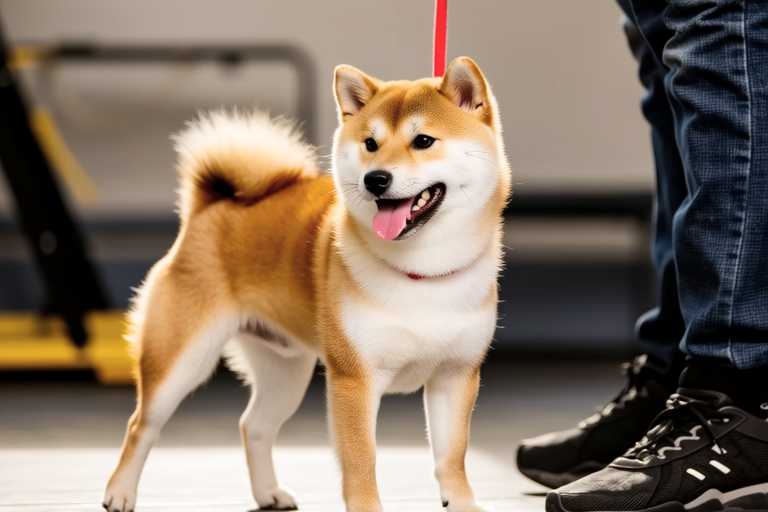
Comprehensive Guide to Training a Shiba Inu Puppy
Welcome to your comprehensive guide on training a Shiba Inu puppy! This breed is known for its intelligence, independence, and loyalty, but these traits can also make them challenging to train. With patience, consistency, and positive reinforcement, you’ll be able to raise a well-behaved and happy Shiba Inu. This guide will cover essential aspects of training, including housebreaking, basic commands, socialization, dealing with their independent nature, nutrition, and exercise.
Understanding Your Shiba Inu
The Shiba Inu is an ancient Japanese breed, known for being alert, curious, and independent. They are often described as having a “fox-like” appearance due to their small size, pointed ears, and curled tail. Their temperament can vary, but most Shibas are loyal, affectionate, and protective towards their family. However, their strong-willed nature requires firm yet gentle handling from their owners.
Housebreaking Your Shiba Inu
Establishing a Routine
Consistency is key when it comes to housebreaking. Establish a regular feeding schedule and take your puppy outside after meals, naps, and playtime. Puppies have small bladders, so expect frequent trips outdoors, especially during the first few months. Choose a specific spot in your yard for potty breaks and always praise or reward your puppy when they eliminate there.
Using Positive Reinforcement
Positive reinforcement is highly effective with Shibas. Reward your puppy with treats, praise, or playtime immediately after they eliminate outdoors. Avoid punishing accidents indoors; instead, calmly take your puppy outside and encourage them to finish where they should. If you catch your puppy in the act, interrupt gently and redirect them to the correct area.
Managing Accidents Indoors
If accidents happen, clean up thoroughly using an enzymatic cleaner to remove odors that might attract your puppy back to the same spot. Crate training can help prevent accidents by giving your puppy a safe space to rest when they cannot go outside. Ensure the crate is large enough for your puppy to stand, turn around, and lie down comfortably.
Teaching Basic Commands
Sit
To teach “sit,” hold a treat above your puppy’s head and say “Sit.” As your puppy looks up at the treat, their bottom will naturally lower. Once they’re sitting, give them the treat and praise them. Repeat this process several times daily until your puppy understands the command without needing the treat.
Stay
Begin teaching “stay” by asking your puppy to sit or lie down. Hold your hand out flat, palm facing your puppy, and say “Stay.” Take one step back, then return and reward your puppy if they remain in place. Gradually increase the distance and duration as your puppy becomes more comfortable with the command.
Come
“Come” is one of the most important commands. Start in a quiet, distraction-free environment and attach a leash to your puppy. Call your puppy’s name followed by “Come” in a cheerful tone. When they approach, give them lots of praise and a treat. Practice this command regularly, ensuring your puppy associates it with positive experiences.
Socializing Your Shiba Inu
Introducing New People and Animals
Expose your Shiba Inu to various people, animals, and environments early on to prevent shyness or aggression. Arrange supervised playdates with other well-socialized dogs and introduce your puppy to different types of people, such as children, elderly individuals, and those wearing hats or sunglasses. Always monitor interactions and intervene if necessary.
Handling New Situations
Gradually introduce your puppy to new situations, like car rides, visits to the vet, or walks in crowded areas. Keep initial experiences short and positive, rewarding calm behavior. Over time, your Shiba Inu will become more comfortable in various settings.
Dealing with Independence
Building Trust
Shibas thrive on trust and respect. Earn your puppy’s trust through consistent, positive interactions. Be patient and avoid forcing them into uncomfortable situations. Encourage independence within safe boundaries by allowing your puppy to explore under supervision.
Encouraging Cooperation
Use positive reinforcement to encourage cooperation. For example, when your Shiba Inu wants to go outside, ask them to sit before opening the door. Reward their compliance with treats or praise. This teaches them that following commands leads to desired outcomes.
Training Methods and Consistency
Positive Reinforcement
Positive reinforcement involves rewarding desirable behaviors while ignoring or redirecting unwanted ones. This method builds confidence and strengthens the bond between you and your puppy. Use treats, toys, or praise as rewards, and ensure each session is enjoyable for both you and your Shiba Inu.
Consistency is Key
Consistency is crucial in training any dog, but especially with independent breeds like the Shiba Inu. All family members should use the same commands and enforce the same rules. This helps your puppy understand expectations and reinforces good behavior.
Common Behavioral Issues and Solutions
Barking and Aggression
Shibas may bark excessively or show signs of aggression if they feel threatened or bored. Address barking by identifying triggers and addressing them appropriately. For example, if your Shiba Inu barks at strangers, practice desensitization exercises. Teach your puppy alternative behaviors, such as sitting or going to their bed, to replace barking.
Destructive Behavior
Destructive behavior, like chewing furniture or digging, often stems from boredom or teething. Provide plenty of interactive toys and supervise your puppy closely during unsupervised periods. Redirect chewing onto appropriate items, like chew toys, and praise your puppy when they choose the right thing.
Nutritional Needs and Exercise Requirements
Proper Nutrition
A balanced diet supports healthy growth and development. Consult your veterinarian to determine the appropriate amount and type of food for your Shiba Inu based on age, weight, and activity level. Avoid overfeeding, as obesity can lead to health problems. Provide fresh water at all times.
Exercise Needs
Shibas require moderate exercise to maintain physical and mental health. Daily walks, play sessions, and opportunities for exploration are essential. Consider activities like agility training or obedience competitions to stimulate your Shiba Inu mentally. Monitor your puppy’s energy levels and adjust exercise accordingly.