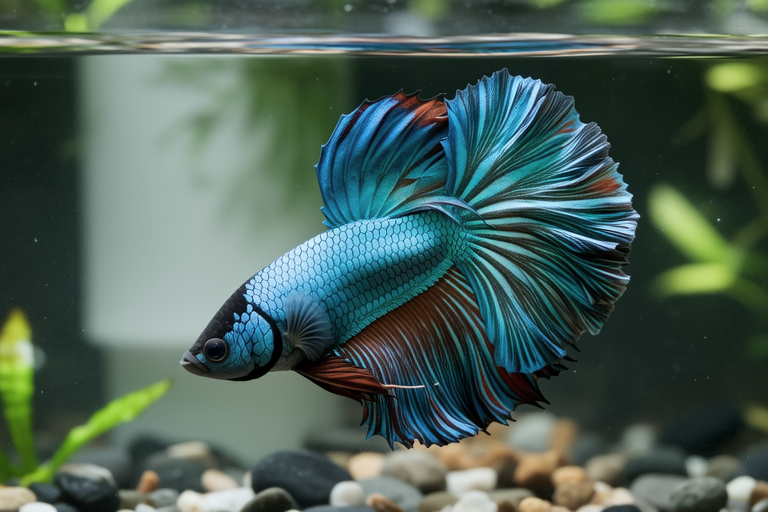
Aquarium Envy: Easy-to-Follow Guide to Keeping Your Betta Healthy and Happy
With their vibrant colors and flowing fins, bettas have become one of the most popular fish among aquarium enthusiasts. Often sold in small cups at pet stores, many people mistakenly believe that bettas require minimal space and care. This article aims to dispel these myths and provide a comprehensive guide to ensuring your betta lives a long, healthy, and happy life.
Selecting the Right Tank Size
The first step in providing optimal living conditions for your betta is choosing the right tank size. While some might think a small container is sufficient, bettas thrive in larger environments. A minimum of 5 gallons is recommended, but a 10-gallon tank offers more room for swimming and exploring. Ensure the tank has a secure lid to prevent escapes, as bettas are skilled jumpers.
Water Quality Maintenance
Water quality is crucial for betta health. Regular water changes, around 25% weekly, help maintain clean conditions. Use a siphon to remove debris from the bottom and replace with dechlorinated water. Bettas prefer slightly acidic water with a pH between 6.5 and 7.5. Testing kits can be used to monitor these levels. Additionally, consider installing a filter to keep the water clean without creating strong currents that stress the fish.
Appropriate Temperature Control
Bettas are tropical fish, so they need warm water temperatures ranging from 76°F to 82°F (24°C to 28°C). A heater is essential to maintain this range, especially if your home’s ambient temperature fluctuates. Avoid placing the tank near windows or drafty areas where temperature changes could occur.
Diet Essentials
Feeding your betta a balanced diet is key to its well-being. High-quality betta pellets are a staple, but supplement with live or frozen foods like brine shrimp and bloodworms for variety. Feed your betta twice daily, offering only what it can consume within two minutes. Overfeeding can lead to obesity and poor water quality.
Suitable Tank Mates
Bettas are often mistakenly paired with other fish due to their solitary nature. While they can coexist with certain species, it’s important to choose tank mates carefully. Good companions include peaceful bottom-dwelling fish like Corydoras catfish or snails. Avoid aggressive species or those with long fins that might tempt the betta’s natural predatory instincts.
Decor Choices That Enhance the Betta’s Environment
Adding plants and hiding spots enriches the tank’s aesthetics and provides stimulation for your betta. Live or silk plants offer both visual appeal and functional benefits, such as reducing ammonia levels. Floating plants are particularly appreciated by bettas, as they mimic their natural habitat. Decorative caves or tunnels can also serve as retreats for your fish.
Tips for Handling and Moving Bettas Safely
When transferring your betta, always use a net designed specifically for fish to avoid damaging delicate fins. Place the fish gently into a container filled with tank water for transport. Keep the container covered and minimize stress during transit. After moving, allow the fish time to acclimate to its new surroundings before introducing any new elements.
Observing Signs of a Healthy Betta and Common Health Issues
Healthy bettas exhibit vibrant colors, active swimming behavior, and clear eyes. They should eat readily and show no signs of lethargy. Watch for red flags such as labored breathing, pale gills, bloated bodies, or excessive scratching against objects, which may indicate illness. Common ailments include fin rot, swim bladder disorder, and ich. Prompt action, including consulting a veterinarian specializing in aquatic animals, can address these issues effectively.
In conclusion, maintaining a thriving betta requires attention to detail and commitment. By following these guidelines, you’ll create a nurturing environment that supports your betta’s physical and emotional needs. Enjoy watching your colorful friend explore its underwater world!
