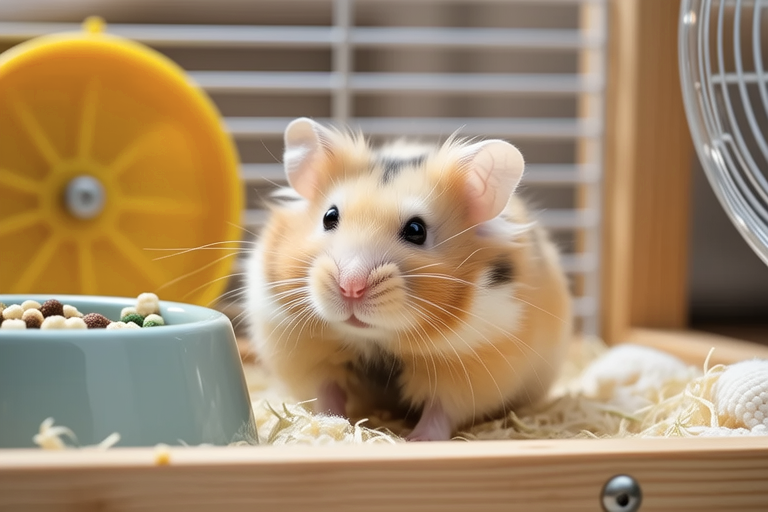
From Cage to Comfort: Setting Up the Perfect Home for Your Golden Hamster!
Welcome to the wonderful world of golden hamsters! These small, fluffy creatures make delightful pets, but ensuring they have a comfortable and stimulating home is key to their well-being. This guide will walk you through everything you need to know about setting up the perfect home for your golden hamster, from choosing the right cage to providing the necessary accessories for a happy and healthy life.
Selecting the Right Cage Size and Type
The first step in creating a comfortable home for your golden hamster is selecting an appropriate cage. The cage should be spacious enough for your hamster to move around freely, but also secure to prevent escapes. A minimum size of 45cm x 30cm x 30cm (18in x 12in x 12in) is recommended for one hamster. If you’re planning to house multiple hamsters, consider getting a larger cage or separate cages for each hamster, as they can be territorial.
Wire cages are popular choices because they allow good ventilation, but they should have solid floors to prevent injury to your hamster’s feet. Glass aquariums with wire lids can also work well if they meet the size requirements. Avoid cages with bar spacing wider than 1cm, as this could lead to accidents.
Necessary Bedding Materials
Choosing the right bedding is crucial for your hamster’s comfort and health. Opt for soft, dust-free bedding made from recycled paper, wood pulp, or shredded paper. Avoid cedar and pine shavings, as these contain oils that can irritate your hamster’s respiratory system. Provide at least 2-3 inches of bedding, and replace it weekly to maintain hygiene. In addition to bedding, offer a cozy hideaway like a small cardboard box or a commercial hamster house to give your hamster a safe place to retreat.
Toys and Accessories for Mental Stimulation
Golden hamsters are curious and active animals, so providing them with toys and accessories is important for their mental and physical health. Tunnels, exercise wheels, and chew toys can keep your hamster entertained and help wear off excess energy. Make sure any items you provide are safe and free from small parts that could be swallowed. Rotate toys regularly to keep things interesting for your hamster.
Proper Feeding and Watering Stations
Feeding your golden hamster a balanced diet is essential for their health. Provide a high-quality hamster mix that includes seeds, grains, and pellets. Supplement their diet with fresh vegetables and fruits, but introduce new foods gradually to avoid digestive upset. Always ensure clean water is available by providing a sipper bottle attached to the side of the cage. Check the water level daily and clean the bottle weekly to prevent bacterial growth.
Maintaining Hygiene and Cleaning Tips
Keeping your hamster’s living space clean is vital for their health. Remove waste and soiled bedding daily, and perform a thorough cleaning of the cage every week. Use mild, pet-safe cleaners and rinse thoroughly to remove any residue. Allow the cage to air dry completely before adding fresh bedding and returning your hamster to their home.
Safety Measures to Prevent Injuries
Ensure that all cage components are securely fastened to prevent accidents. Avoid placing the cage near drafts or direct sunlight, which can cause temperature fluctuations. Keep the cage out of reach of other pets and small children to prevent mishaps. Additionally, check the condition of toys and accessories regularly, replacing any worn or damaged items.
Creating a Balanced Environment
Golden hamsters are nocturnal animals, so they are most active during the evening and night. Mimicking their natural habitat involves providing a quiet, dimly lit area for daytime sleep. Use a towel or blanket to cover part of the cage during the day to create a darker, more restful environment. At night, you can increase the light slightly to encourage activity without disturbing their natural sleep cycle.
Temperature and Lighting Conditions
Golden hamsters thrive in temperatures between 65°F and 75°F (18°C to 24°C). Avoid extreme temperatures, as they can stress your hamster. For lighting, aim for 12 hours of light and 12 hours of darkness per day. Natural daylight or a low-wattage bulb can provide sufficient light. Avoid exposing your hamster to bright, harsh lights, as this can disturb their sleep patterns.
Signs of a Comfortable and Healthy Pet
A healthy golden hamster is active, alert, and has a shiny coat. They should eat and drink regularly and produce firm, well-formed droppings. Watch for signs of discomfort, such as lethargy, loss of appetite, or changes in bathroom habits. Regular interaction with your hamster can help you recognize any unusual behavior early, allowing you to address potential issues promptly.
Common Mistakes to Avoid
Avoid overcrowding the cage with too many toys or accessories, as this can limit your hamster’s space. Also, refrain from overfeeding treats, as this can lead to obesity and related health problems. Finally, always supervise your hamster during playtime outside the cage to prevent accidents.
By following these guidelines, you’ll be well on your way to providing your golden hamster with a comfortable and stimulating home. Remember, a happy hamster is a healthy hamster, and with the right setup, you’ll enjoy many years of companionship with your furry friend.
