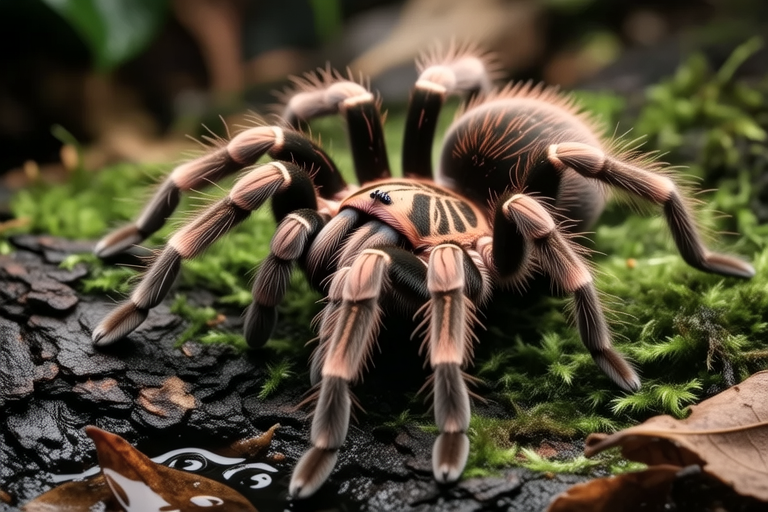
Tarantulas: The Coolest Pets You’ve Never Considered
When you think of a pet, what comes to mind? Dogs, cats, or perhaps even fish? But have you ever considered a tarantula? These eight-legged wonders might seem like an unusual choice, but they make fascinating companions that can captivate your attention with their unique behaviors and minimal care requirements. This article delves into the world of tarantulas, dispelling common myths, exploring care requirements, and offering guidance for those interested in bringing one of these arachnids into their home.
Dispelling Common Myths About Tarantulas
Before diving into the specifics of tarantula ownership, it’s important to address some common misconceptions. Many people associate tarantulas with fear due to their size and appearance. However, these spiders are generally docile creatures that pose little threat to humans. Another misconception is that all tarantulas are aggressive. While some species may exhibit defensive behavior when threatened, most prefer to avoid confrontation. Additionally, contrary to popular belief, tarantulas do not require constant attention or complex care routines. They are low-maintenance pets that can provide hours of entertainment without demanding extensive time or resources from their owners.
Care Requirements
One of the most appealing aspects of tarantulas as pets is their relatively simple care requirements. Unlike many other animals, tarantulas don’t need daily walks or playtime. Instead, they thrive in environments where they can retreat into dark, quiet spaces. Providing a suitable habitat is key to ensuring your tarantula remains healthy and happy. A glass terrarium with a secure lid serves as an ideal enclosure, allowing for proper ventilation while preventing escapes. Inside the terrarium, include a substrate layer such as coconut fiber or bark chips, which mimics natural ground cover and provides moisture retention. Additionally, adding hiding spots like cork bark or half logs gives your tarantula places to rest and feel safe.
Maintaining optimal temperature and humidity levels within the terrarium is crucial for your tarantula’s well-being. Most species prefer temperatures ranging between 75-85 degrees Fahrenheit (24-29 Celsius) during the day, with slight drops at night. Humidity should be kept around 60-70%, which can be achieved through regular misting or the use of a humidifier. Proper lighting is also essential; however, direct sunlight should be avoided as it can cause overheating. Instead, use a low-wattage incandescent bulb or a ceramic heat emitter placed outside the enclosure to maintain warmth.
Housing Needs
Choosing the right type of enclosure for your tarantula is vital for its comfort and health. As mentioned earlier, a glass terrarium with a secure lid is recommended. The size of the enclosure depends on the species of tarantula you plan to keep. For smaller species, a 10-gallon tank will suffice, while larger tarantulas may require enclosures upwards of 20 gallons. It’s important to ensure there are no gaps between the lid and the tank to prevent escape attempts. Additionally, providing adequate ventilation helps regulate temperature and humidity inside the enclosure.
Within the enclosure, create a comfortable environment by adding appropriate substrate and decorations. Substrate options include coconut fiber, bark chips, or sphagnum moss, each offering different benefits in terms of moisture retention and ease of cleaning. Decorations such as cork bark, half logs, or artificial plants serve dual purposes – they provide hiding spots and enhance the aesthetic appeal of the enclosure. Be mindful not to overcrowd the space; tarantulas appreciate having plenty of room to roam freely.
Feeding Habits
Feeding tarantulas is straightforward compared to caring for more traditional pets. Their diet primarily consists of live insects, though the specific prey items vary depending on the tarantula’s size and age. Younger tarantulas typically feed on small insects like crickets or mealworms, while adults can consume larger prey such as roaches or locusts. It’s important to gut-load feeder insects before offering them to your tarantula, ensuring they receive adequate nutrition themselves. Gut-loading involves feeding the insects nutritious foods like fruits, vegetables, or commercial insect diets prior to being fed to your spider.
The frequency of feeding depends on the tarantula’s size and activity level. Younger tarantulas usually eat once every few days, whereas mature specimens may only require feeding once or twice a week. Always remove uneaten prey after a reasonable amount of time to prevent any potential harm to your tarantula. Additionally, maintaining a clean environment by regularly removing waste and leftover food helps prevent bacterial growth and keeps your tarantula healthy.
Handling Tips
While tarantulas can be fascinating to observe up close, it’s important to handle them with caution. Tarantulas possess urticating hairs on their abdomen, which they can release as a defense mechanism if they feel threatened. These hairs can irritate human skin upon contact, causing itching or minor discomfort. To minimize the risk of irritation, wear gloves when handling your tarantula and avoid touching its abdomen directly. Instead, gently scoop it up using a soft brush or paper towel.
If you’re unsure about handling your tarantula initially, practice with smaller, less intimidating species before attempting to interact with larger ones. Over time, you’ll become more comfortable and confident in handling your pet safely. Remember, patience and respect are key when interacting with tarantulas. Allow them time to acclimate to their surroundings and approach them calmly and slowly to reduce stress.
The Benefits of Owning a Tarantula
Owning a tarantula offers numerous benefits beyond just having an exotic pet. One of the primary advantages is the low maintenance required to keep them healthy and happy. Unlike dogs or cats, tarantulas don’t need frequent grooming, exercise, or social interaction. This makes them ideal pets for individuals with busy lifestyles who still want to enjoy the companionship of an animal.
Another benefit is the opportunity to witness fascinating behaviors. Tarantulas exhibit a wide range of interesting actions, from hunting techniques to molting processes. Watching your tarantula catch and consume prey can be thrilling, while observing the molting process reveals the intricate details of their anatomy. Each molt brings new insights into the life cycle of these remarkable creatures.
Furthermore, tarantulas can serve as excellent educational tools for children and adults alike. Learning about tarantulas’ biology, ecology, and conservation status fosters appreciation for biodiversity and encourages responsible stewardship of our planet’s ecosystems. By keeping tarantulas as pets, we contribute to raising awareness about these often misunderstood animals and promote greater understanding among the general public.
Choosing the Right Species
With over 1,000 species of tarantulas worldwide, selecting the right one for your home requires careful consideration. Factors such as size, temperament, and care requirements should influence your decision. Some popular beginner-friendly species include the Mexican Red Knee (Brachypelma smithi), Chilean Rose (Grammostola rosea), and Pink Toe (Avicularia avicularia). These species tend to be docile, hardy, and relatively easy to care for, making them suitable for first-time tarantula owners.
However, it’s essential to research thoroughly before committing to a particular species. Different species have varying dietary preferences, environmental needs, and lifespans. For instance, while some tarantulas may live for several years, others can reach impressive ages exceeding 20 years. Understanding these differences ensures you select a tarantula that aligns with your lifestyle and long-term commitment.
Ultimately, adopting a tarantula should be approached with responsibility and consideration. Before bringing one home, ensure you have the necessary knowledge, equipment, and dedication to provide a loving and nurturing environment. By doing so, you’ll not only enrich your own life but also contribute positively to the welfare of these incredible creatures.
