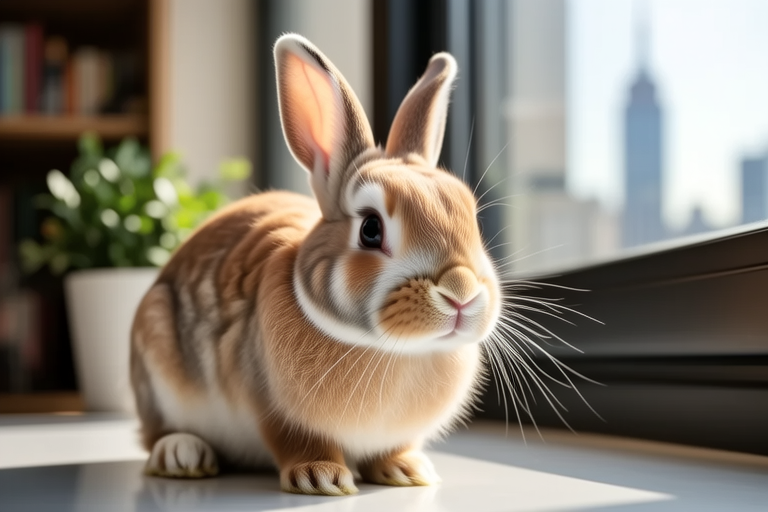
From Cottages to Condos: Why Dutch Dwarf Rabbits Thrive as Urban Pets
Welcome to a delightful exploration of why Dutch Dwarf rabbits are perfect companions for city dwellers. In this article, we’ll delve into the suitability of these charming creatures for urban living, highlighting their small size, minimal space requirements, and adaptability to indoor environments. We will also provide essential tips for setting up a suitable habitat, discuss common health issues, dietary needs, and interactive activities that can keep your Dutch Dwarf rabbit happy and healthy.
The Perfect Urban Companion
Dutch Dwarf rabbits are petite, typically weighing between 2 and 3 pounds, making them ideal for urban settings where space is at a premium. Their compact size allows them to thrive in smaller apartments or condos without compromising their well-being. Unlike larger breeds, they require less space for their habitat, which can be set up easily within a limited area.
Adequate Housing for Your Dutch Dwarf Rabbit
Creating a comfortable and safe environment for your Dutch Dwarf rabbit is crucial. The habitat should include a spacious cage or enclosure, ideally large enough for your rabbit to move around freely. A multi-level setup with ramps and platforms can provide more space for play and exploration. Additionally, line the bottom of the enclosure with soft bedding material like hay or shredded paper to ensure comfort.
Incorporating tunnels, chew toys, and hiding spots will enrich their environment and stimulate their natural behaviors. Ensure the enclosure is placed away from direct sunlight and drafts to maintain a consistent temperature. Providing a litter box filled with appropriate litter, such as paper-based pellets, helps in training your rabbit to use it consistently.
Dietary Needs and Feeding Tips
Feeding your Dutch Dwarf rabbit a balanced diet is vital for its overall health. The core of their diet should consist of high-quality hay, which aids in digestion and keeps their teeth healthy. Supplement this with fresh vegetables like carrots, broccoli, and spinach, ensuring a varied intake of nutrients. Avoid feeding them too many fruits due to their high sugar content.
Rabbit-specific pellets can be provided in moderation to ensure they receive essential vitamins and minerals. Always offer fresh water daily, preferably in a sipper bottle designed for rabbits. Regularly check their food and water supply to prevent contamination and ensure freshness.
Interactive Activities for Mental Stimulation
To keep your Dutch Dwarf rabbit mentally stimulated and physically active, engage in interactive play sessions. Provide them with toys that encourage chewing and gnawing, such as wooden blocks or cardboard tubes. Supervised playtime outside their enclosure allows them to explore new environments safely.
Training your rabbit to respond to commands or tricks can also enhance their cognitive development. Positive reinforcement techniques, using treats and praise, can make training enjoyable for both you and your pet. Interactive activities help prevent boredom and promote a healthier lifestyle for your Dutch Dwarf rabbit.
Temperament and Social Interaction
Dutch Dwarf rabbits have a gentle and affectionate temperament, making them excellent companions for families and individuals alike. They enjoy human interaction and can form strong bonds with their owners. These rabbits are generally calm and can adapt well to different household dynamics.
When introducing your Dutch Dwarf rabbit to other pets, such as cats or dogs, always do so gradually and under supervision. Proper socialization ensures harmonious coexistence. Regular handling from a young age helps your rabbit become accustomed to being touched and held, enhancing the bond between you and your pet.
Grooming and Exercise Needs
Grooming your Dutch Dwarf rabbit is relatively simple, but it requires consistency. Brush their coat regularly to remove loose hair and prevent matting. Bathing is usually unnecessary unless absolutely required, as it can stress your rabbit. Instead, focus on cleaning their ears and trimming their nails when needed.
Exercise is crucial for maintaining your rabbit’s physical health. While their habitat provides ample space for movement, supervised playtime outside the enclosure is recommended. This can include letting them hop around a secure room or using a rabbit-proof harness for outdoor excursions. Ensure the area is free from hazards and potential dangers.
Veterinary Care and Health Monitoring
Scheduling regular visits to a veterinarian who specializes in exotic animals is essential for your Dutch Dwarf rabbit’s health. Routine check-ups help detect any potential issues early on. Common health problems include dental issues, respiratory infections, and gastrointestinal problems. Early intervention can prevent complications and improve recovery chances.
Keep an eye on your rabbit’s behavior and appearance for any signs of illness. Changes in appetite, energy levels, or bathroom habits may indicate underlying health concerns. Prompt action can make all the difference in ensuring your rabbit remains healthy and happy.
Conclusion
Dutch Dwarf rabbits are delightful and adaptable companions for urban living. Their small size, minimal space requirements, and charming personalities make them ideal pets for city dwellers. By providing a suitable habitat, a balanced diet, and regular interaction, you can ensure your Dutch Dwarf rabbit leads a happy and healthy life. With proper care and attention, these rabbits can bring joy and companionship to your home, becoming cherished members of your family.
