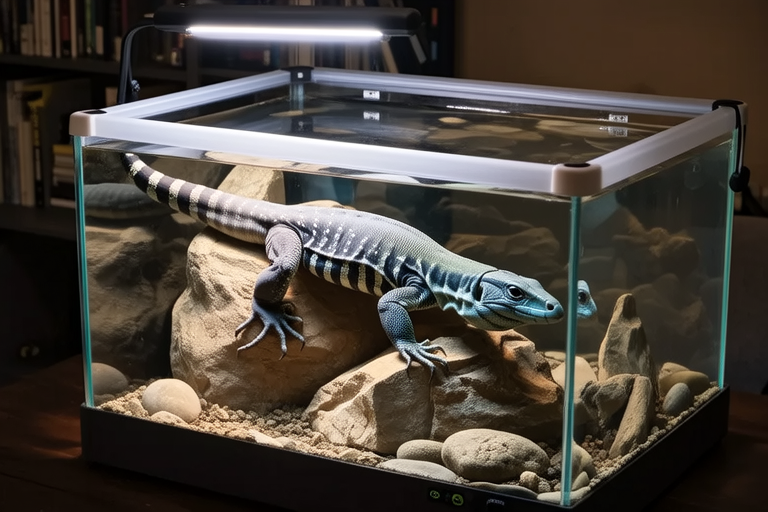
Top 10 Myths Busted About Keeping a Water Monitor as a Pet
Water monitors (Varanus salvator) are among the largest lizards kept as pets, captivating reptile enthusiasts with their impressive size and unique behaviors. These semi-aquatic creatures hail from Southeast Asia, where they thrive in humid, tropical environments. Their distinctive appearance and intriguing habits have made them popular among reptile lovers, but they also come with significant care challenges. Misconceptions abound regarding their suitability as pets, often leading to misunderstandings about their habitat, diet, and overall care. This article aims to dispel these myths, offering a clearer understanding of what it takes to responsibly keep a water monitor.
Myth 1: Water Monitors Can Be Kept in Small Enclosures
Description: Many believe that water monitors can be comfortably housed in enclosures similar to those used for smaller reptiles, such as bearded dragons or ball pythons.
Debunked: Water monitors require vast spaces to accommodate their size and active nature. An adult monitor can reach lengths of over 7 feet, necessitating a tank that is at least 8 feet long, 4 feet wide, and 6 feet high. The enclosure must offer both land and water areas, with a deep water section for swimming. Additionally, they need plenty of space for climbing and basking. Providing inadequate space leads to stress, poor health, and behavioral issues. Proper enclosure setup is crucial for their physical and psychological well-being.
Myth 2: Water Monitors Eat Only Insects
Description: Some think that like many other lizards, water monitors primarily feed on insects.
Debunked: Water monitors have a diverse diet in the wild, including fish, small mammals, birds, eggs, and carrion. As pets, they require a varied diet to ensure proper nutrition. A balanced diet might include rodents, fish, and occasional fruits or vegetables. Feeding them solely on insects can lead to nutritional deficiencies, affecting their growth and health. Regular feeding of appropriate prey items and occasional supplementation of vitamins and minerals are necessary for optimal health.
Myth 3: Water Monitors Are Low-Maintenance Pets
Description: There’s a misconception that water monitors are easy to maintain once their enclosure is set up.
Debunked: Maintaining a water monitor involves daily cleaning of the enclosure, monitoring water quality, and ensuring proper temperature and humidity levels. They are highly active animals that require constant attention to their environment. Regular health checks and veterinary care are essential, as is providing enrichment activities to prevent boredom. The commitment to their care is substantial and should not be underestimated.
Myth 4: Water Monitors Can Be Handled Freely
Description: Some believe that water monitors are docile and can be handled without much training.
Debunked: While some individuals may become accustomed to handling, water monitors are generally not recommended for frequent handling. They are powerful and can deliver painful bites if provoked. Proper socialization from a young age is necessary, but even then, they remain wary and may never fully trust humans. It’s important to respect their natural instincts and avoid handling unless absolutely necessary.
Myth 5: Water Monitors Do Not Need UVB Lighting
Description: There’s a belief that because water monitors spend time in water, they don’t need UVB lighting.
Debunked: Like all diurnal reptiles, water monitors require UVB light for vitamin D synthesis, which aids calcium absorption. Without adequate UVB exposure, they can develop metabolic bone disease. Providing a full-spectrum UVB lamp and ensuring they can bask under it is vital. The light should cover at least half of the enclosure and be replaced every six months to maintain effectiveness.
Myth 6: Water Monitors Hibernate
Description: Some think that water monitors hibernate during colder months.
Debunked: Water monitors do not hibernate; instead, they brumate, a process where they slow down their metabolism and reduce activity levels in response to cooler temperatures. However, they do not go into a true hibernation state. Ensuring consistent warm temperatures in their enclosure year-round is necessary to prevent any physiological disruptions. This requires careful management of heating elements and environmental controls.
Myth 7: Water Monitors Are Suitable for First-Time Reptile Owners
Description: There’s a misconception that water monitors are good starter pets for reptile enthusiasts new to the hobby.
Debunked: Due to their size, dietary needs, and specific environmental requirements, water monitors are not recommended for first-time reptile owners. They demand extensive knowledge of reptile care, particularly concerning habitat setup, diet, and health maintenance. Potential owners should have experience with other reptiles and be prepared for the long-term commitment involved.
Myth 8: Water Monitors Can Live in a Terrarium
Description: Some believe that a standard terrarium is sufficient for housing a water monitor.
Debunked: A terrarium designed for terrestrial reptiles is inadequate for a water monitor. They need a custom-built enclosure that includes a large water area for swimming and soaking, along with ample land space for basking and climbing. The enclosure should be escape-proof, with secure lids and robust construction materials. Using a terrarium can lead to cramped conditions and stress for the animal.
Myth 9: Water Monitors Require No Special Humidity Levels
Description: There’s a belief that water monitors can adapt to any humidity level.
Debunked: Water monitors originate from humid, tropical regions and require specific humidity levels to thrive. The enclosure should maintain humidity between 60% and 80%, which can be achieved through misting, humidifiers, and water features. Insufficient humidity can cause respiratory problems and skin issues. Monitoring and maintaining the correct humidity range is critical for their health.
Myth 10: Water Monitors Are Noisy
Description: Some think that water monitors are noisy and disruptive.
Debunked: While water monitors can vocalize when threatened or during mating, they are generally quiet pets. Their noise level is comparable to that of other reptiles and does not pose a disturbance to most households. However, their size and activity level can make them noticeable, especially in smaller living spaces. Providing a spacious, well-designed enclosure helps minimize any potential disturbances.
Advice for Potential Owners
Considering a water monitor as a pet is a significant decision that requires thorough research and preparation. These animals are long-lived, with lifespans of up to 20 years, and they demand a dedicated owner who is willing to invest time and resources into their care. Before committing, potential owners should familiarize themselves with the specific needs of water monitors, consult experienced breeders or veterinarians, and ensure they have the financial means to support the ongoing costs associated with their care. By doing so, they can provide a loving home for these fascinating creatures while ensuring their own satisfaction as responsible pet owners.
